
Everything we know, and everything we are doing about it.
Things You’re Probably Wondering
Guides.

How Stress and Illness Interact With Immune Symptoms
Why this happens
When the body is under stress, it releases hormones that change how the immune system behaves. In the short term, this can dampen certain responses, but ongoing stress raises the body's baseline level of inflammation, and for someone with an immune condition, that can be enough to tip things toward a flare.
Stress also affects the habits that help keep symptoms stable. Poor sleep, missed medication, irregular meals, and reduced activity all make symptoms worse in their own way, even before the direct biological effects of stress come into play. The two things reinforce each other, which is why a stressful period can feel like everything unravelling at once.
It’s also worth knowing that stress doesn’t always show up as an obvious event. The ongoing pressure of managing a chronic condition, appointments, uncertainty, the mental load of it all, isitself a form of stress, and it counts.
What this means
A stress-related flare is real and biological, not imagined. Stress is simply one of many triggers, and recognising it is about understanding patterns, not assigning blame. Reducing stress where possible can help, but it isn’t a replacement for medical treatment, and not every stressor is within anyone's control.
What could help
- Priorities sleep: it’s one of the most effective buffers against the impact of stress on the body
- Build in recovery time after particularly stressful periods, rather than pushing straight through
- Keep medicines consistent and using reminders during busy or difficult times can help
- Track when flares follow stressful periods, there can sometimes be a delay of days or even weeks, so logging both helps spot the pattern
- Let your doctor know if you’re going through a prolonged stressful period, they may be able to suggest closer monitoring or a temporary adjustment
Above all, be kind to yourself. Flaring during a hard time doesn’t mean you have failed. It means you are human.
Understanding the link between stress and symptoms can take away some of the confusion and a lot of the self-blame that often comes with an unexpected flare.
This article is for general information purposes only and doesn’t constitute legal, financial or benefits advice. For advice specific to your situation, please speak to a qualified professional or contact an organisation such as Citizens Advice, who may be able to assist you further.
References:
'Chronic Stress and Autoimmunity: The Role of HPA Axis and Cortisol Dysregulation ' (2025) https://doi.org/10.3390/ijms26209994
'Stress as a risk factor in the pathogenesis of rheumatoid arthritis’ (2006) https://doi.org/10.1159/000104855

Why Immune Conditions Are Monitored Over Time, Not “Solved”
Why ongoing monitoring is needed
Regular blood tests, scans, and appointments can feel relentless, especially when you feel well. Understanding the reason behind them can make the routine feel lighter. Immune conditions don’t get “solved”; they persist. Treatment calms immune activity but doesn’t permanently fix the underlying problem, so if treatment stops, disease activity usually returns. Your immune system hasn’t “unlearned” the mistake; medication is actively keeping it in check.
Nonetheless, newer treatments, such as CAR-T and T-cell–engaging therapies, work by directly modifying or redirecting immune cells. These approaches may have the potential to more fundamentally change how the immune system behaves, rather than simply suppressing it. However, their long-term effects are still being studied, so ongoing monitoring remains important.
What monitoring checks for
Monitoring looks at areas that can change before symptoms are obvious. Inflammation markers can show disease activity building even when you still feel okay. Organhealth checks, such as kidney and liver panels or heart and lung assessments, aim to catch problems early, usually before you notice them. Safety labs are there because immunosuppressants and biologics can affect things like the liver or bone marrow; routine testing finds these issues early so treatment can be adjusted safely. Depending on your condition, clinicians may also screen for longerterm risks such as cardiovascular health and bone density to prevent complications.
Why intervals change
Early in treatment, checks are more frequent, sometimes every few weeks, to confirm the plan is working and welltolerated. Once things are stable, many people move to every three to six months. Nonetheless, some higherrisk medicines still need closer monitoring regardless of how well you feel.
What you could do
- Keep attending your check-ups, even when you feel well. Stability isn’t a reason to stop; it’s a reason to maintain.
- Log your symptoms regularly in the app so you have a clear record to bring to appointments. Patterns you’ve tracked can add important context to your results.
- Ask your care team what they’re looking for at each test. Understanding the purpose of a blood test makes it feel less routine and more meaningful.
- Note any changes you notice, in energy, new symptoms, or how you feel day to day, and record them alongside your tracking.
This article is for general information purposes only and doesn’t constitute legal, financial or benefits advice. For advice specific to your situation, please speak to a qualified professional or contact an organisation such as Citizens Advice, who may be able to assist you further.
References:
'EULAR recommendations for cardiovascular disease risk management in patients with rheumatoid arthritis and other forms of inflammatory joint disorders' (2017)
https://ard.eular.org/article/S0003-4967(24)01571-1/fulltext
'CD19 CAR T-cell therapy in autoimmune disease — a case series with follow-up' (2021)
https://www.nejm.org/doi/10.1056/NEJMoa2308917
‘Rheumatoid arthritis in adults: management’ (2022) https://www.nice.org.uk/guidance/ng100

What a Flare Actually Means and When It Matters
What could help
- Contact your care team the same day for new severe symptoms or anything your specialist asked you to report.
- Book an appointment within days if symptoms are worse than baseline, last longer than usual, or show new patterns.
- Monitor at home when worsening is mild and settles within a few days.
- Track when flares happen, what changed, and what helped; share this at review.
- Use your agreed flare plan: pace, rest, fluids, and medicines exactly as prescribed.
- Ask for review if flares are frequent, long, or severe; treatment may need adjusting.
Flares aren’t your fault. The goal is to reduce frequency and severity, not to eliminate flares.
This article is for general information purposes only and doesn’t constitute legal, financial or benefits advice. For advice specific to your situation, please speak to a qualified professional or contact an organisation such as Citizens Advice, who may be able to assist you further.
References:
'Establishing a core domain set to measure rheumatoid arthritis flares: report of the OMERACT 11 RA flare workshop’ (2014) https://doi.org/10.3899/jrheum.131252
EULAR recommendations for the management of rheumatoid arthritis with synthetic and biological disease-modifying antirheumatic drugs: 2019 update' (2020) https://doi.org/10.1136/annrheumdis-2019-216655
How Stress and Illness Interact With Immune Symptoms
Why this happens
When the body is under stress, it releases hormones that change how the immune system behaves. In the short term, this can dampen certain responses, but ongoing stress raises the body's baseline level of inflammation, and for someone with an immune condition, that can be enough to tip things toward a flare.
Stress also affects the habits that help keep symptoms stable. Poor sleep, missed medication, irregular meals, and reduced activity all make symptoms worse in their own way, even before the direct biological effects of stress come into play. The two things reinforce each other, which is why a stressful period can feel like everything unravelling at once.
It’s also worth knowing that stress doesn’t always show up as an obvious event. The ongoing pressure of managing a chronic condition, appointments, uncertainty, the mental load of it all, isitself a form of stress, and it counts.
What this means
A stress-related flare is real and biological, not imagined. Stress is simply one of many triggers, and recognising it is about understanding patterns, not assigning blame. Reducing stress where possible can help, but it isn’t a replacement for medical treatment, and not every stressor is within anyone's control.
What could help
- Priorities sleep: it’s one of the most effective buffers against the impact of stress on the body
- Build in recovery time after particularly stressful periods, rather than pushing straight through
- Keep medicines consistent and using reminders during busy or difficult times can help
- Track when flares follow stressful periods, there can sometimes be a delay of days or even weeks, so logging both helps spot the pattern
- Let your doctor know if you’re going through a prolonged stressful period, they may be able to suggest closer monitoring or a temporary adjustment
Above all, be kind to yourself. Flaring during a hard time doesn’t mean you have failed. It means you are human.
Understanding the link between stress and symptoms can take away some of the confusion and a lot of the self-blame that often comes with an unexpected flare.
This article is for general information purposes only and doesn’t constitute legal, financial or benefits advice. For advice specific to your situation, please speak to a qualified professional or contact an organisation such as Citizens Advice, who may be able to assist you further.
References:
'Chronic Stress and Autoimmunity: The Role of HPA Axis and Cortisol Dysregulation ' (2025) https://doi.org/10.3390/ijms26209994
'Stress as a risk factor in the pathogenesis of rheumatoid arthritis’ (2006) https://doi.org/10.1159/000104855
Why Immune Conditions Are Monitored Over Time, Not “Solved”
Why ongoing monitoring is needed
Regular blood tests, scans, and appointments can feel relentless, especially when you feel well. Understanding the reason behind them can make the routine feel lighter. Immune conditions don’t get “solved”; they persist. Treatment calms immune activity but doesn’t permanently fix the underlying problem, so if treatment stops, disease activity usually returns. Your immune system hasn’t “unlearned” the mistake; medication is actively keeping it in check.
Nonetheless, newer treatments, such as CAR-T and T-cell–engaging therapies, work by directly modifying or redirecting immune cells. These approaches may have the potential to more fundamentally change how the immune system behaves, rather than simply suppressing it. However, their long-term effects are still being studied, so ongoing monitoring remains important.
What monitoring checks for
Monitoring looks at areas that can change before symptoms are obvious. Inflammation markers can show disease activity building even when you still feel okay. Organhealth checks, such as kidney and liver panels or heart and lung assessments, aim to catch problems early, usually before you notice them. Safety labs are there because immunosuppressants and biologics can affect things like the liver or bone marrow; routine testing finds these issues early so treatment can be adjusted safely. Depending on your condition, clinicians may also screen for longerterm risks such as cardiovascular health and bone density to prevent complications.
Why intervals change
Early in treatment, checks are more frequent, sometimes every few weeks, to confirm the plan is working and welltolerated. Once things are stable, many people move to every three to six months. Nonetheless, some higherrisk medicines still need closer monitoring regardless of how well you feel.
What you could do
- Keep attending your check-ups, even when you feel well. Stability isn’t a reason to stop; it’s a reason to maintain.
- Log your symptoms regularly in the app so you have a clear record to bring to appointments. Patterns you’ve tracked can add important context to your results.
- Ask your care team what they’re looking for at each test. Understanding the purpose of a blood test makes it feel less routine and more meaningful.
- Note any changes you notice, in energy, new symptoms, or how you feel day to day, and record them alongside your tracking.
This article is for general information purposes only and doesn’t constitute legal, financial or benefits advice. For advice specific to your situation, please speak to a qualified professional or contact an organisation such as Citizens Advice, who may be able to assist you further.
References:
'EULAR recommendations for cardiovascular disease risk management in patients with rheumatoid arthritis and other forms of inflammatory joint disorders' (2017)
https://ard.eular.org/article/S0003-4967(24)01571-1/fulltext
'CD19 CAR T-cell therapy in autoimmune disease — a case series with follow-up' (2021)
https://www.nejm.org/doi/10.1056/NEJMoa2308917
‘Rheumatoid arthritis in adults: management’ (2022) https://www.nice.org.uk/guidance/ng100
What a Flare Actually Means and When It Matters
What could help
- Contact your care team the same day for new severe symptoms or anything your specialist asked you to report.
- Book an appointment within days if symptoms are worse than baseline, last longer than usual, or show new patterns.
- Monitor at home when worsening is mild and settles within a few days.
- Track when flares happen, what changed, and what helped; share this at review.
- Use your agreed flare plan: pace, rest, fluids, and medicines exactly as prescribed.
- Ask for review if flares are frequent, long, or severe; treatment may need adjusting.
Flares aren’t your fault. The goal is to reduce frequency and severity, not to eliminate flares.
This article is for general information purposes only and doesn’t constitute legal, financial or benefits advice. For advice specific to your situation, please speak to a qualified professional or contact an organisation such as Citizens Advice, who may be able to assist you further.
References:
'Establishing a core domain set to measure rheumatoid arthritis flares: report of the OMERACT 11 RA flare workshop’ (2014) https://doi.org/10.3899/jrheum.131252
EULAR recommendations for the management of rheumatoid arthritis with synthetic and biological disease-modifying antirheumatic drugs: 2019 update' (2020) https://doi.org/10.1136/annrheumdis-2019-216655

When It Is Reasonable to Ask for a Second Opinion
Why this matters
Asking for a second opinion can feel uncomfortable, as there’s often a worry about appearing difficult or causing offence. Nonetheless, second opinions are a normal and protected part of NHS care. Understanding when they are appropriate and how to request one removes the uncertainty from what can otherwise feel like a confrontational step.
When second opinions is clearly reasonable
- Serious or life-changing diagnosis: before committing to major treatment such as long-term immunosuppression or surgery, seeking another perspective is standard practice in many specialities
- Conflicting information from different doctors. If a GP and a specialist disagree, or two GPs reach different conclusions, a further opinion can clarify
- Diagnostic uncertainty persists: if extensive investigation has not produced a clear diagnosis, and symptoms continue to affect daily life significantly
- Treatment is not working despite following the prescribed plan, there’s been no improvement
- A sense of being dismissed: if concerns have been minimised or symptoms attributed to causes that don’t feel right
- High-risk proposed treatment: where the stakes are significant, a second perspective supports informed decision-making
When it’s less likely to add value
- Minor or self-limiting conditions that will resolve without intervention
- Symptoms that have been thoroughly and consistently investigated across multiple specialists with the same findings
- Seeking a specific diagnosis or treatment that’s already been declined: second opinions should be genuinely open, not used to find a preferred answer
- Simply wanting reassurance when tests are consistently normal. This may reflect health anxiety rather than missed pathology
How to request one
- From your GP: "I would like to request a second opinion on [diagnosis/treatment]. I have concerns about [specific issue], and another perspective would help me make an informed decision."
- Be specific: Second GP opinion within practice, different practice, or specialist opinion.
- From a specialist: "Thank you for your assessment. I would like to seek a second opinion before deciding on treatment." Most specialists accept this without taking offence.
What to expect
A second opinion appointment will typically involve a review of the full history, a possible repeat examination, and a discussion of findings. The outcome may be:
- Agreement with the original assessment, which provides useful reassurance
- A different diagnosis or treatment recommendation
- A refined or adjusted approach
- A request for further investigation
If two opinions conflict, a GP can help synthesise the information and advise on next steps, and in some cases, a third opinion may be needed to reach clarity.
What you could do
- Bring a clear summary of symptoms, investigations, and current treatment to any second opinion appointment, the more context provided, the more useful the assessment
- If opinions conflict, ask the GP to help synthesise the information and guide the next step
- Keep a record of all clinical interactions, results, and correspondence to support a thorough second opinion review
- Use respectful, clear language when requesting framing it as wanting confidence in a decision rather than doubting clinical judgement keeps the conversation constructive
This article is for general information purposes only and doesn’t constitute legal, financial or benefits advice. For advice specific to your situation, please speak to a qualified professional or contact an organisation such as Citizens Advice, who may be able to assist you further.
References:
‘Seeking a second opinion’ (2024) https://www.kch.nhs.uk/patients-and-visitors/help-and-support/seeking-a-second-opinion/
‘The NHS Constitution for England’ (2023) https://www.gov.uk/government/publications/the-nhs-constitution-for-england

What to Do When Symptoms Fall Between Specialties
Why this matters
The NHS organises medicine by organ system and speciality, which works well for single-system conditions but poorly for multi-system ones. Autoimmune and immune-related conditions frequently affect joints, skin, eyes, digestion, and energy simultaneously, but rheumatology focuses on joints, dermatology on skin, and gastroenterology on digestion. No speciality automatically sees the whole picture, which means the connections can go unmade unless someone actively coordinates.
This is a structural problem with the system, not a reflection of how complex or unusual any individual's symptoms are.
Common scenarios where this happens
- Autoimmune conditions affecting multiple systems: joint pain, rashes, fatigue, and dry eyes together may each be assessed separately without anyone identifying the systemic pattern
- Unexplained or functional symptoms: widespread pain, fatigue, digestive issues, and headaches where tests in each specialty come back normal
- Overlap syndromes: features of more than one condition without meeting the criteria for any single diagnosis clearly
- Post-viral syndromes: fatigue, cognitive changes, and autonomic symptoms that don’t sit neatly within any one specialty
How to navigate it
- Identify a lead speciality: for multi-system autoimmune symptoms, rheumatology or immunology often coordinates best. Ask the GP which speciality is best placed to take the lead, given the full picture of symptoms
- Request an integrated assessment rather than separate referrals to multiple specialities where possible. Some centres offer combined clinics such as rheumatology and dermatology for psoriatic arthritis.
- Bring a full symptom summary to each specialist: not just the symptoms relevant to their area, but the complete picture, so each clinician has the context to spot connections
- Ask for communication between specialists if seeing more than one, and use the GP to synthesise information across referrals
- Use your GP as coordinator to synthesise information across specialities
If being bounced between specialities
If multiple specialities have each ruled out problems in their area but symptoms persist, there are clear steps worth taking:
- Document the pattern: note which specialities have been seen, what was investigated, and what was ruled out
- Request a case review with the GP: for example, "I’ve seen rheumatology, dermatology, and neurology. Each ruled out problems in their area, but symptoms continue. Can we review everything together?"
- Request a multidisciplinary team discussion for complex cases where no single speciality has a clear answer
- Contact PALS if no speciality is taking responsibility and escalation is needed
Falling between specialities is a known system limitation. Persistence, documentation, and a clear coordinator make the most difference.
This article is for general information purposes only and doesn’t constitute legal, financial or benefits advice. For advice specific to your situation, please speak to a qualified professional or contact an organisation such as Citizens Advice, who may be able to assist you further.
References:
‘Enhancing current guidance for psoriatic arthritis and its comorbidities: recommendations from an expert consensus panel’ (2025) https://doi.org/10.1093/rheumatology/keae172
‘Epidemiology of multimorbidity and implications for health care, research, and medical education: a cross-sectional study’ (2012) https://doi.org/10.1016/S0140-6736(12)60240-2

How to Ask for Follow-Up Without Sounding Anxious
Why this matters
Asking for follow-up can feel uncomfortable, particularly the worry of seeming demanding or anxious. But for anyone managing a chronic or immune condition, periodic review isn’t optional. Specialists and GPs expect it. The question isn’t whether to ask, but how to ask in a way that’s clear and confident.
When followup is appropriate
- After starting a new treatment, typically four to twelve weeks, depending on the medication, to assess effectiveness and monitor for side effects
- When symptoms change: if they worsen, new ones develop, or treatment stops working
- For routine chronic condition monitoring, even when stable, periodic review is standard
- After abnormal test results
- When discharge criteria haven’t yet been met
How to ask effectively
The difference between a request that lands well and one that doesn’t often come down to specificity and directness.
Vague: "I was wondering if maybe I could come back in at some point?" Clear: "I would like to schedule a follow-up in six weeks to review how this medication is working."
Stating a clinical reason makes the request easier to act on: "My fatigue has worsened significantly over the past month and is affecting my ability to work. I would like to discuss whether this indicates a change in disease activity."
It’s also worth acknowledging clinical judgement without undermining the request. Phrases like "I would value your assessment of whether follow-up is needed" frame it as collaboration rather than a demand. What doesn’t help is excessive apologising, which can undermine the legitimacy of the request before it’s even been considered.
Sample scripts
- After starting medication: “I started methotrexate six weeks ago. When should I have followup bloods and a review?”
- For worsening symptoms: “My joint pain has worsened over the past month and is affecting my work. I’d like an appointment to discuss treatment adjustment.”
- For routine monitoring: “I have lupus and understand I need sixmonthly reviews. Can we schedule my next appointment?”
If a request is declined
A declined request isn’t the end of the conversation. It’s reasonable to ask why follow-up isn’t considered necessary at this point, what symptoms or timeframe would make it appropriate, and whether a telephone review or a clear plan for when to return would be an alternative. Asking for the request and the agreed plan to be noted in the record creates a reference point without confrontation.
What you could do
- Prepare what to say in advance: having a clear, one-sentence reason ready reduces the chance of it coming across as vague or anxious
- Write the request down if a phone or face-to-face conversation feels difficult; many GP practices accept written requests
- If follow-up after discharge is needed, the specialist secretary or a GP referral back are both appropriate routes
Requesting follow-up when it’s clinically warranted isn’t being difficult. It’s an expected and necessary part of managing a long-term condition.
This article is for general information purposes only and doesn’t constitute legal, financial or benefits advice. For advice specific to your situation, please speak to a qualified professional or contact an organisation such as Citizens Advice, who may be able to assist you further.
References:
‘Current approaches for monitoring of patients with inflammatory bowel diseases: a narrative review’ (2024) https://doi.org/10.3390/jcm13041008
‘EULAR recommendations for the management of rheumatoid arthritis with synthetic and biological disease-modifying antirheumatic drugs: 2019 update’ (2020) https://doi.org/10.1136/annrheumdis-2019-216655
‘Rheumatoid arthritis in adults: management (NICE guideline NG100)’ (2018) https://musicianshealth.co.uk/NICE2020RAguideline.pdf

How NHS Monitoring Differs From Private Testing
Why this matters
For people with chronic or unexplained symptoms, the NHS can feel slow or limited, and private testing can seem like a way to get faster, more comprehensive answers. Understanding what each system actually offers helps avoid unnecessary expense, anxiety, and misinterpretation.
How NHS monitoring works
NHS tests are ordered for specific clinical reasons: to confirm or rule out a diagnosis, monitor disease activity, check medication safety, or screen for complications. Guidelines determine what’s tested and when, which means testing is targeted rather than comprehensive. Results are interpreted by a clinician in the context of symptoms and medical history, not just against reference ranges. The main limitations are access speed, guideline restrictions on frequency, and the fact that not all tests are available on the NHS.
How private testing works
Private testing offers a wide range of panels, often far broader than the NHS, with fast turnaround, no GP appointment required, and results delivered directly. The main drawbacks are cost (ranging from £50 to £500 or more, depending on the panel), variable lab quality, and the absence of a clinical context when interpreting results. A value outside the reference range doesn’t automatically mean something is wrong, and without a clinician interpreting it in context, it can create unnecessary concern.
When private testing adds value
- NHS delays are problematic and symptoms are concerning faster results can provide useful information sooner
- Establishing a baseline while healthy: NHS doesn’t routinely test asymptomatic people, so private testing is the only option for those who want baseline data
- Monitoring more frequently than NHS guidelines allow for example when tracking the effect of lifestyle changes on specific markers
When private testing creates problems
- Minor abnormalities are overinterpreted: many healthy people have values slightly outside reference ranges by chance, which can trigger unnecessary anxiety and further testing
- Lab quality varies: the NHS operates under a centralised quality strategy where all laboratories aim for ISO 15189 accreditation. The private market is less consistent, ranging from high-end clinics to wellness startups that aren’t held to the same standard
What you could do
- Before ordering private tests, ask what specific question needs answering and whether the result would change anything
- Check that any private provider is accredited before assuming results carry the same clinical weight as NHS testing
- Choose accredited providers and bring any private results to a GP for interpretation in clinical context
- Use private testing to supplement NHS care, not replace it: ongoing monitoring, treatment decisions, and specialist referrals should remain within the NHS pathway
- More testing isn’t always more useful, a focused approach beats indiscriminate screening
This article is for general information purposes only and doesn’t constitute legal, financial or benefits advice. For advice specific to your situation, please speak to a qualified professional or contact an organisation such as Citizens Advice, who may be able to assist you further.
References:
‘Accredited vs non-accredited laboratories’ (2024) https://www.ukas.com/resources/resources/accredited-vs-non-labs/
‘Spotlight on accreditation standards: ISO 15189 medical laboratories’ (2025) https://www.ukas.com/resources/resources/soas-15189-medical-laboratories/
‘The cascade effect in the clinical care of patients’ (1986) https://doi.org/10.1056/NEJM198602203140809

Why Your Symptoms Can Feel Real Even When Tests Look Normal
Why this happens
Tests answer narrow questions, such as “Is there inflammation today?” or “Is my red blood count low?”. When samples are taken during a calm phase, activity during a flare can be missed. Reference ranges are based on population averages, not you, so a “normal” result for most people might be abnormal for your body. In fact, a shift from lownormal to highnormal can still be meaningful, even when both values are technically fine.
Early immune disease often looks normal on paper; antibodies or organ changes may appear later. Therefore, feeling unwell before tests turn positive is common and doesn’t mean you are imagining things.
Sometimes tests don’t catch up because no test exists for the condition. In seronegative conditions, such as seronegative spondyloarthropathies, a person can have significant joint inflammation and all the clinical features of the condition while standard markers like rheumatoid factor and anti-CCP antibodies remain negative. In these cases, diagnosis depends on clinical assessment, imaging, and symptom patterns rather than blood tests alone.
What could help
- Track patterns over time; symptoms that follow clear patterns or worsen over weeks often matter more than any single result.
- Ask about retesting; if your condition fluctuates, testing during a flare rather than a calm period may reveal more.
- Know what’s been ruled out; normal results do exclude certain serious conditions, and that information has value.
- If standard tests are consistently normal despite ongoing symptoms, ask whether a seronegative condition or one without a standard blood marker could explain the picture
Your symptoms are real; the tests just haven’t caught up yet.
This article is for general information purposes only and doesn’t constitute legal, financial or benefits advice. For advice specific to your situation, please speak to a qualified professional or contact an organisation such as Citizens Advice, who may be able to assist you further.
References:
'Autoantibody systems in rheumatoid arthritis: specificity, sensitivity and diagnostic value' (2002) https://doi.org/10.1186/ar395
‘Reference intervals: an update’ (2003) https://doi.org/10.1016/S0009-8981(03)00133-5
'The development of Assessment of SpondyloArthritis international Society classification criteria for axial spondyloarthritis (part II): validation and final selection' (2009) https://doi.org/10.1136/ard.2009.108233

How Illness Affects Finances and Where to Get Help
Why this matters
Financial difficulty is one of the least discussed but most common consequences of chronic illness. Knowing what support may be available and when it might be worth acting could make a real difference.
How illness affects finances
Costs can increase through prescription charges, travel to appointments, over-the-counter symptom management, adaptive equipment, and sometimes private healthcare. These pressures can accumulate gradually and compound quickly.
Financial decision-making also tends to become harder during periods of illness. Diagnosis is stressful, information overload is common, and a sense of urgency can sometimes lead to decisions that feel less right in hindsight. Being aware of this pattern may help avoid making major financial moves during particularly difficult periods.
Immediate steps worth considering
- It may be worth understanding sick pay entitlement. As of 30 April 2026, Statutory Sick Pay (SSP) is £123.25 per week for up to 28 weeks. Some employers offer enhanced sick pay through their employment contracts. Current SSP rates can be found at https://www.gov.uk/statutory-sick-pay
- Checking whether income protection or critical illness insurance is in place, and what it covers, could be useful
- Notifying relevant parties early may help: the employer if time off or adjustments are needed, mortgage lenders or landlords if payment difficulties are anticipated, creditors if meeting payments may become difficult, and the benefits system if income drops or care needs develop
Where financial support may be available
- Benefits: PIP isn’t means-tested and can be claimed while working. Other means-tested benefits may also be available depending on income and circumstances. A free benefits calculator such as Turn2us or EntitledTo could help with checking eligibility, or Citizens Advice may be able to help
- Employer support: many employers offer Employee Assistance Programmes with free financial advice, and some offer flexible working or salary advances during hardship. It may be worth checking what’s available
- Charitable support: condition-specific charities sometimes have grants or hardship funds for equipment, therapy, or respite. It could be worth exploring what’s available for a specific condition
- Debt support: free debt advice is available from StepChange, National Debtline, and Citizens Advice. Seeking this kind of guidance early, before things become unmanageable, is generally worth considering
Building medium-term stability
Once immediate pressures are managed, it may be worth considering building an emergency fund of three to six months of expenses as a buffer. Reviewing the budget, protecting existing insurance, and reflecting on whether current employment is sustainable long-term are all things that tend to be easier to think through at a calm moment rather than during a crisis.
What you could do
- Keeping key financial documents organised, including diagnosis letters, fit notes, benefit correspondence, bank statements, and insurance policies, may prove useful when navigating applications or formal processes
- Checking benefit eligibility through free online resources or Citizens Advice is worth considering sooner rather than later
- Seeking free financial advice early, rather than waiting until things become unmanageable, tends to produce better outcomes
This article is for general information purposes only and doesn’t constitute legal, financial or benefits advice. For advice specific to your situation, please speak to a qualified professional or contact an organisation such as Citizens Advice, who may be able to assist you further.
References:
‘Statutory Sick Pay (SSP)’ (2024) https://www.gov.uk/statutory-sick-pay
‘Where to get free debt advice’ (2024) https://www.moneyhelper.org.uk/en/money-troubles/dealing-with-debt/debt-advice-locator

How to Apply for PIP With an Immune Condition: Top Tips
Why this matters
How the form is completed can have an effect on the outcome, and some people with chronic immune conditions report not being able to receive PIP simply because the form doesn’t accurately reflect the functional impact of their condition. The process rewards detail, specificity, and evidence, not clinical diagnosis.
Please note that the steps below summarise a typical claim process, but variations may occur depending on your circumstances.
Step 1: Call DWP to start the claim
Call the PIP application line, find the current number and relevant opening times at https://www.gov.uk/pip/how-to-claim. Basic details will be taken and a PIP2 form will be sent within 2 weeks. There’s one month from the date on the letter to return the completed form.
Step 2: Complete the PIP2 form thoroughly
This form is a critical part of the application. For each activity, answer the question truthfully, describe the difficulty clearly, including how the condition affects the ability to do it safely, to an acceptable standard, repeatedly, and within a reasonable time. Note what aids or adaptations are needed and how often difficulties occur.
Key tips for completing the form:
- Focus on bad days and fluctuation. Assessors consider the worst-case picture, not the average. If symptoms vary, describe what happens during a flare
- Be specific and use real examples. "I cannot stand long enough to cook a full meal without needing to sit down or rest" is more useful than "cooking is difficult"
- Don’t minimise. Many people understate the impact of their condition, so answer the questions honestly, especially regarding areas of difficulty.
- Consider safety, repetition, and time. PIP assesses whether activities can be done safely, repeatedly, and in a reasonable time, not just whether they can be done at all
- Attach supporting evidence. Consider attaching letters from a GP, specialist, occupational therapist, or social worker significantly strengthen the claim
- Get help completing the form. Citizens Advice and disability charities may be able to help ensure the form accurately reflects the full impact of the condition
Step 3: The assessment
Assessments can be face-to-face, by telephone, or as a home visit. The assessor asks about the condition and daily activities. It isn’t a medical examination. The focus is entirely on functional impact.
Step 4: The decision and what to do if refused
A decision typically arrives within several weeks. The letter states whether PIP has been awarded, which components, at what rate, and for how long. If refused or awarded a lower rate than expected, request a Mandatory Reconsideration within one month. If still unsuccessful, an appeal to an independent tribunal can be made. A significant proportion of appeals that reach tribunal result in a changed decision, making it worth pursuing if a mandatory reconsideration is unsuccessful.
What you could do
- Consider getting help completing the form. Citizens Advice and condition-specific charities such as Versus Arthritis, Lupus UK, and MS Society all offer free guidance
- Request a copy of the assessment report if refused, as it often reveals inaccuracies that can be challenged
- Don’t give up after an initial refusal. Many are overturned at reconsideration or appeal
This article is for general information purposes only and doesn’t constitute legal, financial or benefits advice. For advice specific to your situation, please speak to a qualified professional or contact an organisation such as Citizens Advice, who may be able to assist you further.
References:
‘PIP assessment guide: Part one - The assessment Process’ (2024) https://assets.publishing.service.gov.uk/media/6749dedd75bb645366b3a269/pip-assessment-guide-part-one-the-assessment-process.pdf
‘Tribunal statistics quarterly’ (2024) https://www.gov.uk/government/collections/tribunals-statistics

Understanding PIP: What It Is and When to Consider Applying
Why this matters
PIP is a widely underused benefit among people with chronic conditions. The application process can feel intimidating, and many people assume they won’t qualify. Understanding what it actually assesses may make it easier to recognise whether applying is worth considering.
What PIP provides
PIP has two components. The daily living component covers difficulties with activities such as preparing food, washing, dressing, managing medications, and communicating. The mobility component covers difficulties with moving around or planning and following journeys.
Each component has two rates. Current weekly rates (as 30 April 2026) for 2025/26 are: daily living standard £73.90, enhanced £110.40 mobility standard £29.20, enhanced £77.05. One or both components can be awarded at either rate depending on individual circumstances. Please note that these rates change annually (please check https://www.gov.uk/pip periodically).
Who qualifies
Eligibility requires being aged 16 to State Pension age, having been in Great Britain for at least two of the last three years, and having difficulties expected to last for at least 12 months from when they started.
Eligibility is based on how the condition affects functioning rather than on the diagnosis itself. Each daily living and mobility activity is scored based on the level of difficulty. Eight points may qualify for the standard rate and twelve for the enhanced rate.
It’s worth noting that in Scotland, PIP has been replaced by Adult Disability Payment (ADP), which follows similar but slightly different rules.
When it may be worth considering applying
It may be worth exploring an application if any of the following apply:
- Severe fatigue makes preparing meals safely or repeatedly difficult
- Prompting is needed for medications due to cognitive effects or complex regimens
- Washing, bathing, or dressing is difficult due to pain, limited mobility, or fatigue
- Pain, fatigue, or brain fog affects the ability to plan or follow journeys
- Aids or adaptations are needed for daily activities
Variability is taken into account. The assessment considers bad days as well as good ones, so managing independently most of the time but with significant extra effort or only sometimes may still be relevant to the assessment.
What you could do
- It’s worth being aware that PIP isn’t backdated to before the application date, so those who think they may qualify might consider applying sooner rather than later
- Seeking support with the application from Citizens Advice or a condition-specific charity is worth considering, as guided completion tends to improve outcomes
This article is for general information purposes only and doesn’t constitute legal, financial or benefits advice. For advice specific to your situation, please speak to a qualified professional or contact an organisation such as Citizens Advice, who may be able to assist you further.
References:
‘Adult Disability Payment’ (2024) https://www.mygov.scot/browse/benefits/disability-benefits/adult-disability-payment
‘Personal Independence Payment (PIP)’ (2024) https://www.gov.uk/pip

What Access to Work Is and How to Apply
Why this matters
Workplace adjustments sometimes come with costs that employers, particularly smaller ones, may struggle to absorb. Access to Work fills that gap by funding support directly, which can make adjustments more feasible and reduce some of the friction around asking for them.
What Access to Work can cover
The scheme can fund a wide range of support depending on individual need. This may include specialised equipment or software, adaptations to existing equipment, a support worker or job coach, travel costs where public transport isn’t possible due to the condition, and communication support such as sign language interpreters.
It isn’t a loan and doesn’t need to be repaid. Funding is paid directly to the individual or to service providers rather than through the employer. It’s also worth noting that Access to Work is designed to cover support beyond what employers are already legally required to provide under the Equality Act 2010, complementing rather than replacing reasonable adjustments.
Who is eligible
Access to Work is available to employees, self-employed people, and those about to start a new job. There’s no income threshold. The condition doesn’t need to meet the legal definition of disability, only that it creates a practical barrier to work. Many people with chronic immune conditions, including those managing fatigue, pain, or unpredictable flares, may qualify.
How to apply
Applications are made directly through the government website rather than through an employer, though it may be worth speaking to the employer first to discuss potential adjustments before applying. The process involves describing the condition, how it affects work, and what support might be needed. An adviser may then be in touch to discuss the application and carry out an assessment of need.
At some point during the process, the Access to Work team will need to confirm details with the employer, with permission, in order to authorise support or funding reimbursements. It may be worth giving the employer a heads-up that this could happen.
The process may differ for civil servants, check with your employer or HR team for the approach that applies to you
What you could do
- It may be worth speaking to the employer about potential adjustments before applying, as this can help shape what to request
- Keeping a record of how the condition affects work practically could support the application
- Checking the Gov.uk Access to Work page for current eligibility criteria and the application process is advisable, as details can change
This article is for general information purposes only and doesn’t constitute legal, financial or benefits advice. For advice specific to your situation, please speak to a qualified professional or contact an organisation such as Citizens Advice, who may be able to assist you further.
References:
‘Access to Work: get support if you have a disability or health condition’ (2024) https://www.gov.uk/access-to-work

When You Might Qualify for Workplace Adjustments Under UK Law
Why this matters
Many people with chronic immune conditions aren’t aware they may have legal grounds to request workplace adjustments, or they assume their condition isn’t serious enough to qualify. Understanding the legal threshold and what it covers may make it easier to ask for what’s needed.
Does the condition qualify
Under the Equality Act 2010, a condition qualifies as a disability if it’s a physical or mental impairment that has a substantial and long-term adverse effect on the ability to carry out normal day-to-day activities. Long-term means lasting or likely to last at least 12 months. Substantial means more than minor or trivial.
Many chronic immune conditions generally meet this definition, including rheumatoid arthritis, lupus, MS, and IBD. Conditions that are episodic or relapsing are also covered if they’re likely to recur. The condition doesn’t need to be severe every day to qualify.
What the duty to make reasonable adjustments means
Where a condition qualifies, employers are legally required to consider making reasonable changes to remove or reduce disadvantages faced at work. Reasonable means effective, practical, and not disproportionate to the size and resources of the employer.
Examples of adjustments that may be appropriate include flexible start and finish times to manage morning stiffness or fatigue, remote or hybrid working to reduce commute burden, additional rest breaks, adjusted duties during flares, ergonomic equipment, and phased returns after extended absence.
How to request adjustments
It may help to put the request in writing, explain how the condition affects work, and specify what adjustments might help. Framing the request around maintaining performance rather than listing difficulties tends to produce better outcomes. A brief supporting letter from a GP or specialist confirming the condition and suggesting adjustments isn’t required but could strengthen the case.
Employers should respond promptly, what’s reasonable will depend on the complexity of the request and the size of the organisation. Written reasons should be given if refusing. While not legally required, a meeting to discuss the request can sometimes help clarify needs and reach a practical agreement more easily.
Where a condition meets the legal definition of disability and a reasonable adjustment request is refused without justification, the refusal may in some circumstances constitute disability discrimination. Seek advice from Acas or a legal adviser before taking formal steps.
What you could do
- It may be worth reviewing the employer's flexible working and reasonable adjustments policy before making a request, as this sets out the formal process
- Keeping a record of how the condition affects work could help ground any request in specific, documented impact
- If a request is refused, seeking guidance from Acas on whether the refusal was lawful and what options might be available is worth considering
This article is for general information purposes only and doesn’t constitute legal, financial or benefits advice. For advice specific to your situation, please speak to a qualified professional or contact an organisation such as Citizens Advice, who may be able to assist you further.
References:
‘Definition of disability under the Equality Act 2010’ (2024) https://www.gov.uk/definition-of-disability-under-equality-act-2010
‘Equality Act 2010’ (2010) https://www.legislation.gov.uk/ukpga/2010/15/contents
‘Reasonable adjustments at work’ (2024) https://www.acas.org.uk/reasonable-adjustments

How to Talk to Your Employer About Immune-Related Absence
Why this matters
Without disclosure, absences and reduced performance have no context and may be misread as lack of commitment. Disclosure may activate legal protections under the Equality Act 2010 where the condition meets the legal definition of disability. Understanding how to approach the conversation could make a noticeable difference.
Should disclosure happen at all
Reasons to consider disclosing include accessing workplace adjustments, triggering legal protections, reducing the stress of concealing a condition, and providing context for absences. Reasons that might lead someone not to disclose include concerns about discrimination despite legal protections, career impact, preference for privacy, or a condition that’s well-controlled with minimal work impact.
A middle ground worth considering is selective disclosure: telling HR or a direct manager without informing the wider team or disclosing that a health condition requires flexibility without sharing diagnostic details.
How to approach the conversation
It may be worth thinking about who to speak to first. A direct manager is often a natural starting point, but if there are concerns about their reaction, going to HR first is a reasonable alternative to consider. Requesting a private meeting at a calm moment, rather than raising it during a busy or stressful period, tends to work better.
Preparing what to say in advance may help: a brief explanation of the condition, how it affects work, what adjustments might help, and a statement of commitment to the role. A practical framing to consider might be: "I have a condition that sometimes causes flares and medical appointments. I’m committed to my role and would like to discuss flexible arrangements to help me manage absences effectively."
Framing the conversation around solutions rather than difficulties could be more productive. The aim is to explain what might help with continuing to perform well, not to catalogue everything that’s difficult. Bringing a brief letter from a GP or specialist confirming the condition and suggesting adjustments could give the conversation a clinical basis without requiring excessive medical detail.
What does not need to be shared
Full medical history, prognosis, medication details, and private aspects of the condition that don’t affect work don’t need to be disclosed. It’s reasonable to set boundaries: "I prefer not to discuss the condition in detail, but I’m happy to explain what adjustments might help."
Handling employer responses
Responses vary and knowing how to navigate each one helps.
- If supportive: it may be worth confirming any agreed adjustments in writing, agreeing on a review period, and keeping communication open as needs change
- If uncertain: providing brief information about the condition and suggesting a trial period for any adjustments may help move things forward. It could also be worth mentioning that Access to Work funding exists and may be able to cover some costs
- If resistant: it may be helpful to revisit the legal obligations that exist under the Equality Act, and to consider whether involving HR might be useful if the direct manager isn’t engaging. Seeking independent guidance from sources such as ACAS is also worth considering
- If discriminatory: keeping a record of what’s happened, exploring the employer's formal grievance procedure, and seeking independent advice from ACAS, a union, or a legal professional are all options worth exploring
What could help
- It may help to decide in advance how much detail to share and what adjustments to ask for, so the conversation has a clear purpose
- Confirming any agreed adjustments in writing afterwards is worth considering
- Tracking absences and their patterns over time means that if formal processes are triggered, there’s a clear and documented picture to refer to
This article is for general information purposes only and doesn’t constitute legal, financial or benefits advice. For advice specific to your situation, please speak to a qualified professional or contact an organisation such as Citizens Advice, who may be able to assist you further.
References:
‘Disability discrimination’ (2024) https://www.acas.org.uk/disability-discrimination
‘Equality Act 2010’ (2010) https://www.legislation.gov.uk/ukpga/2010/15/contents
‘Creating Absence Policies’ (2023) https://www.acas.org.uk/absence-from-work

Long-Term Topical Steroid Use: What Patients Worry About
Why this matters
Topical steroids work by calming the immune activity that drives redness, itching, and swelling in the skin. They don’t cure the underlying condition, but they manage symptoms and prevent flares effectively, often within days of use. The problem is that concerns about topical steroids often lead people to use them inconsistently or avoid them altogether.
The fears are understandable, but most are linked to prolonged, incorrect use rather than appropriate treatment. Used in the right way, topical steroids are safe, including over the long term.
What u need to know
The most common concerns, and what the evidence actually shows:
- Skin thinning: This is rare with correct use and mainly occurs with strong products applied to delicate areas like the face or genitals for long periods. When it does happen, it’s usually reversible
- Rebound flares: stopping suddenly after very heavy use can cause a temporary flare, but this isn’t the same as dependency or addiction. Gradual reduction prevents it
- Absorption into the body: normal use shouldn’t cause systemic effects. The amount absorbed through the skin is far smaller than oral steroids
- Long-term use: continuous daily use for months can cause problems, but using them as per the advice of your healthcare practioner is important
The real risk is undertreating. Ongoing inflammation that goes unmanaged prolongs discomfort, disrupts sleep, increases infection risk, and leads to worse outcomes over time.
This article is for general information purposes only and doesn’t constitute legal, financial or benefits advice. For advice specific to your situation, please speak to a qualified professional or contact an organisation such as Citizens Advice, who may be able to assist you further.
When steroids aren’t enough
If symptoms remain hard to control, alternatives such as calcineurin inhibitors, vitamin D analogues, phototherapy, or systemic treatments may be considered with your clinician and for your particular condition.
What you could do
- Ask your clinician for clear guidance on which product to use where: strength should be matched to the body area, with milder options for the face and stronger ones for thicker skin
- Follow fingertip-unit guidance for how much to apply; using too little leads to poor control and prolonged inflammation, causing more harm than the treatment itself
- Keep brief notes or photos of flares to track how quickly they settle and whether anything has changed
- Ask about a maintenance plan to help prevent flares from returning, rather than only treating them once they appear
- If symptoms remain hard to control despite consistent use, ask about alternatives
Using treatment as prescribed isn’t giving in. It’s the most effective way to protect the skin and prevent the long-term problems that come with poorly managed inflammation.
References:
‘Atopic eczema in under 12s: diagnosis and management’ (2022) https://www.nice.org.uk/guidance/cg57
'The finger-tip unit — a new practical measure' (1991) https://doi.org/10.1111/j.1365-2230.1991.tb01232.x
'Systemic side-effects of topical corticosteroids' (2014) https://journals.lww.com/ijd/fulltext/2014/59050/systemic_side_effects_of_topical_corticosteroids.6.aspx

What your symptoms don't always show
Why this matters
If you're managing an inflammatory or autoimmune condition, your visible symptoms are clinically meaningful. A rash that affects your daily life is a legitimate reason to escalate treatment. Swollen joints are a primary signal in conditions like rheumatoid arthritis. Clinicians take these seriously because they should.
What's less obvious is that other changes can be developing at the same time, ones that don't produce clear symptoms until they're more advanced. That's not a reason to worry. It's a reason to stay informed.
What the invisible side can include
- Silent organ involvement: damage to the kidneys, lungs, or liver can progress with very few symptoms until it's more advanced, which is why monitoring continues even when things feel stable
- Cardiovascular risk: chronic inflammation raises the chance of heart problems over time, without obvious warning signs in the short term
- Bone density loss: usually painless until a fracture happens, which is why it's monitored preventatively rather than reactively
- Progressive joint damage: in some inflammatory conditions, structural changes can begin before significant pain develops, though this isn't universal and your clinician will assess what's relevant for you specifically
What could help
Visible and invisible don't have to be in competition. Both are part of understanding what's actually going on.
- Keep reporting visible symptoms: they directly inform treatment decisions and quality of life counts
- Track the less obvious ones too: fatigue, brain fog, and pain patterns are real even when they don't show on tests
- Ask what "stable" means for you: it's a reasonable question to bring to any appointment
- Keep attending monitoring appointments: that's how the quieter changes get caught early
The goal is a complete picture, not just the parts that are easiest to see.
This article is for general information purposes only and doesn’t constitute legal, financial or benefits advice. For advice specific to your situation, please speak to a qualified professional or contact an organisation such as Citizens Advice, who may be able to assist you further.
References:
'Long-term prognosis and causes of death in systemic lupus erythematosus' (2006) https://doi.org/10.1016/j.amjmed.2005.11.034
'Cardiovascular disease in rheumatoid arthritis: state of the art and future perspectives' (2011) https://doi.org/10.1136/ard.2010.142133
'Clinical efficacy and side effects of antimalarials in systemic lupus erythematosus: a systematic review' (2010) https://doi.org/10.1136/ard.2008.101766

Autoimmune Comorbidities: Awareness Without Alarm
Why this matters
When the immune system is prone to misfiring, it doesn’t always limit that tendency to one area of the body. Some people carry genes that make autoimmune reactions more likely in general, which means the risk of a second condition is slightly higher than average. Chronic low-level inflammation can also create conditions where other autoimmune processes are more likely to develop over time.
This doesn't mean another diagnosis is inevitable. For most people, one condition remains the only one. But it does explain why staying on top of your health over time matters. Not to predict problems, but so that if anything does develop, it's caught as early as possible, when it's easiest to manage. mOI helps you build that picture, making it easier to spot meaningful changes and have more informed conversations with your clinical team when they matter.
What you need to know
Some pairings occur more commonly than others. These include:
- Thyroid disease, alongside many different autoimmune conditions
- Sjögren's syndrome with lupus, rheumatoid arthritis, or scleroderma
- Coeliac disease with type 1 diabetes or thyroid disease
- Inflammatory arthritis with inflammatory bowel disease
Knowing these patterns helps a care team stay appropriately alert without over-testing. Not every autoimmune condition carries the same comorbidity risks, so what’s monitored should be tailored to each diagnosis.
There’s an important difference between useful awareness and unhelpful hypervigilance. Attending routine check-ups, noting new symptoms that stick around, and keeping annual blood tests when advised are the habits that support early detection. Treating every ache as a new diagnosis, or living in a state of constant worry, isn’t.
What you could do
- Consider attending routine monitoring appointments even when feeling well, these checks are there to catch small changes before they become bigger ones
- Note any new symptoms that persist for more than a few weeks and mention them at the next review, even if they seem unrelated
- Ask a clinician which conditions are associated with, and which specific screenings are relevant for your diagnosis
- Knowing family history can help tailor what’s monitored over time
This article is for general information purposes only and doesn’t constitute legal, financial or benefits advice. For advice specific to your situation, please speak to a qualified professional or contact an organisation such as Citizens Advice, who may be able to assist you further.
References:
'Recent insights in the epidemiology of autoimmune diseases: improved prevalence estimates and understanding of clustering of diseases' (2009) https://doi.org/10.1016/j.jaut.2009.09.008

When Symptoms Change But Your Diagnosis Does Not
Why symptoms change
Immune conditions aren’t fixed. They move through phases of higher and lower activity, which means the symptoms present today may look quite different from those at the time of diagnosis. That can feel unsettling, but it’s usually part of the condition's natural pattern.
There are several reasons symptoms shift. During more active periods, new symptoms can appear that were never there before, while quieter periods can cause long-standing ones to ease. Different parts of the body may become involved at different times; this doesn’t automatically mean the condition is progressing. Treatment changes also play a role, as controlling one symptom can sometimes bring another into sharper focus, and new medicines can introduce their own side effects. Life stages matter too: hormonal changes, pregnancy, and ageing all interact with immune conditions in ways that can alter how symptoms show up.
Even when nothing dramatic has changed, the picture can look different from one month to the next. That’s normal, and it doesn’t mean something has gone wrong.
When to seek review
Most symptom changes can be monitored calmly, but some are worth flagging sooner rather than later.
Contact your healthcare team if:
- New symptoms involve the chest, breathing, vision, or significant abdominal pain
- Symptoms are worsening rapidly over days rather than weeks
- Something feels very different from your usual pattern
- Flares are becoming more frequent or harder to manage than before without urgency
Changes you can monitor safely:
- Minor ups and downs within your usual range that settle with rest, pacing, or trigger management.
- Symptoms that settle with rest or after a planned medication change
- Predictable patterns linked to known triggers
What could help
- Track patterns over time rather than reacting to individual bad days, this makes it easier to spot what’s genuinely changing
- Keep a note of when symptoms started shifting so you can give your doctor a clear timeline
- Bring brief evidence to appointments: a short symptom diary or notes on what you’ve already tried
- Ask your doctor whether a new pattern fits your condition or needs further investigation
- Know your warning signs: agree with your healthcare team on what would prompt earlier contact
Symptom changes with a stable diagnosis can feel confusing, but tracking them over time puts you in a much stronger position to understand what’s happening and to have clearer conversations with the people supporting your care.
This article is for general information purposes only and doesn’t constitute legal, financial or benefits advice. For advice specific to your situation, please speak to a qualified professional or contact an organisation such as Citizens Advice, who may be able to assist you further.
References:
‘Effect of pregnancy and hormonal changes on the activity of rheumatoid arthritis' (2004) https://doi.org/10.3109/03009748309102886
‘Kelley and Firestein's Textbook of Rheumatology’ (2017) https://www.elsevier.com/books/kelleys-textbook-of-rheumatology/firestein/978-0-323-31696-5

Why Fatigue Shows Up Across So Many Immune Conditions
Why this matters
This isn’t ordinary tiredness. It’s the kind of exhaustion that sleep doesn’t fix, and there are real reasons why.
When the immune system is active, it sends signals that slow the body down and pull energy away from daily life, think of it like a background programme running constantly, using up battery even when it isn’t visible. Treatments can add to this drain, as many medicines used to manage immune conditions come with tiredness as a side effect. Low iron or vitamin deficiencies make it harder still, reducing the body's ability to carry oxygen and keep up with daily demands. When pain or stress disrupts sleep on top of all that, the body rarely gets the chance to fully recharge.
Even when test results look fine, these processes can keep running quietly in the background for weeks. That’s why fatigue often sticks around longer than expected.
What could help
A few things that can make a difference:
- Break tasks into smaller steps with rest in between, rather than pushing through and crashing later
- Talk to your doctor if fatigue is severe: things like low iron, certain vitamin levels, or thyroid issues are treatable and worth checking
- Gentle movement, done regularly, can actually help your energy levels over time without overdoing it
- Tracking when fatigue is better or worse can reveal patterns that are easy to miss
Above all, be kind to yourself. Fatigue is a symptom, not a failing.
Understanding why it happens can make it easier to explain to the people around you, and to ease some of the guilt that comes with needing more rest than you used to.
This article is for general information purposes only and doesn’t constitute legal, financial or benefits advice. For advice specific to your situation, please speak to a qualified professional or contact an organisation such as Citizens Advice, who may be able to assist you further.
References:
'Benefits of exercise in rheumatoid arthritis' (2011) https://doi.org/10.4061/2011/681640
'Energy regulation and neuroendocrine-immune control in chronic inflammatory diseases' (2010) https://doi.org/10.1111/j.1365-2796.2010.02218.x
'Patients' perceptions of fatigue in rheumatoid arthritis: overwhelming, uncontrollable, ignored' (2005) https://doi.org/10.1002/art.21450

Stability Does Not Mean Cured: What Clinicians Really Mean
What clinicians mean by “stable”
When a clinician says your condition is stable, it means disease activity is low, there isn’t evidence of further organ damage, and tests show no progression, clear signs that the treatment is working as intended. Stability isn’t permanent, though; it requires ongoing management, so medication is usually continued, and regular monitoring remains important. Some symptoms may still be present because stability reflects control and the absence of deterioration rather than a cure. Regular reviews help to identify any early changes and ensure any issues are addressed promptly, before they become more serious.
What Specialists Are Checking
- Disease activity is low or absent
- No new organ involvement
- Treatment is working without unacceptable side effects
- No progression of damage
What Could Help
Stability gives you more life back, but it still needs ongoing attention.
- Keep taking medicines as prescribed; discuss any changes before stopping.
- Attend reviews and tests on schedule; monitoring catches early changes and can detect problems before they become serious. Ask how often monitoring is needed.
- Track symptoms and function briefly
- Ask which signs should trigger earlier contact or a treatment change.
- Support stability with pacing, good sleep, stress management, and avoiding known triggers.
- Request a review if flares increase or new symptoms appear.
If you're stable, that's genuinely worth celebrating.
This article is for general information purposes only and doesn’t constitute legal, financial or benefits advice. For advice specific to your situation, please speak to a qualified professional or contact an organisation such as Citizens Advice, who may be able to assist you further.
References:
‘Rheumatoid arthritis in adults: management’ (2022) https://www.nice.org.uk/guidance/ng100
‘Treating rheumatoid arthritis to target: recommendations of an international task force' (2010) https://doi.org/10.1136/ard.2009.123919

When Reassurance Is Actually the Right Outcome
Why this matters
Hearing "nothing serious is wrong" when still feeling unwell can be deeply frustrating. It can feel like being dismissed rather than reassured. But the two aren’t the same and knowing the difference matters both for accepting appropriate outcomes and for recognising when to push back.
What medical reassurance actually means
Reassurance in medicine means that a serious, progressive, or life-threatening disease has been reasonably excluded based on clinical assessment and appropriate investigations. It doesn’t mean symptoms are imaginary, that nothing could ever be wrong, or that further investigation might not be needed if things change. Reassurance is probabilistic, not absolute. It means that based on current evidence, a serious disease is very unlikely.
When reassurance is appropriate
Reassurance is a valid clinical outcome in several situations:
- Symptoms are common and usually benign. Fatigue, headaches, joint pain, and abdominal discomfort usually have benign causes, and testing everyone extensively generates more false positives than true diagnoses
- Tests have adequately excluded serious pathology. If appropriate investigations are normal, reassurance is justified
- Natural history supports observation. Some conditions resolve spontaneously within predictable timeframes
- Further investigation would cause more harm than benefit. When false positive rates are high, incidental findings are likely, or procedures are invasive, the harms can outweigh the benefits
- Symptoms are consistent with a functional disorder. Functional disorders cause real symptoms without structural pathology detectable on tests. Reassurance that a serious disease is excluded is appropriate while still validating that symptoms are real
What good reassurance looks like versus dismissal
Appropriate reassurance includes acknowledgment of symptoms, a clear explanation of what was tested and what those results mean, a discussion of possible causes, a plan for managing symptoms, safety netting around what to watch for, and a follow-up arrangement.
Dismissal looks different. It’s "your tests are fine, nothing is wrong" with no explanation, no plan, and no acknowledgement. If reassurance feels dismissive, it’s worth asking: "Can you help me understand what’s been ruled out and what might be causing these symptoms?" and "What would mean I should come back sooner?"
When to push back
Pushing back is appropriate when symptoms are worsening progressively, when new symptoms suggest evolving disease, when basic investigations haven’t been done, when functional impact is severe, or when red flags such as unexplained weight loss or night sweats haven’t been properly investigated.
What you could do
Accepting reassurance is easier when the process behind it’s clear, and the clinician has genuinely engaged with the symptoms.
- If a "nothing serious" outcome feels incomplete, ask what specifically was checked and what the next step would be if symptoms persist or change
- If health anxiety makes it difficult to accept reassurance even after appropriate investigation, that’s worth raising directly as something to address in its own right
- Track symptoms over time so that if things do change, there’s a clear record to bring to the next appointment
This article is for general information purposes only and doesn’t constitute legal, financial or benefits advice. For advice specific to your situation, please speak to a qualified professional or contact an organisation such as Citizens Advice, who may be able to assist you further.
References:
‘Management of functional somatic syndromes and bodily distress’ (2018) https://doi.org/10.1159/000484413
‘Patients' perceptions of medical explanations for somatisation disorders: qualitative analysis’ (1999) https://doi.org/10.1136/bmj.318.7180.372

What Clinicians Worry About That Patients Rarely Hear
Why this matters
Appointments tend to focus on current symptoms and immediate treatment decisions. What isn’t always discussed is what the clinician is weighing in the background: the risks being managed, the trade-offs being made, and the uncertainties they are navigating. Knowing what those concerns tend to be helps make sense of decisions that might otherwise feel cautious, slow, or unclear.
What clinicians worry about
When prescribing long-term immunosuppression. Infection risk is a significant concern. Immunosuppression increases vulnerability to serious infections, including pneumonia, sepsis, and reactivation of latent infections. There’s also a small but recognised increase in lymphoma and skin cancer risk with long-term use of some medications. Clinicians also think carefully about medication non-adherence, as stopping treatment without discussion can cause preventable flares, and about fertility and pregnancy, since many immunosuppressants are unsafe during pregnancy and unplanned pregnancies create serious risks.
When disease appears mild but could progress. In conditions like rheumatoid arthritis, there’s a window of opportunity where early treatment prevents irreversible damage. Clinicians sometimes push for treatment even when symptoms feel manageable, precisely because waiting risks harm that cannot be undone. They also hold uncertainty about which patients will stay stable and which will progress rapidly, and that uncertainty informs recommendations even when it’s not spelt out.
When symptoms are vague or unexplained. The differential diagnosis for vague symptoms is wide, and clinicians worry about missing something serious while also being aware that testing everything generates false positives. They may also be considering whether psychological factors are contributing but hesitate to raise this for fear of seeming dismissive.
When long-term outcomes are uncertain. Clinicians often cannot predict how a condition will evolve over the next ten to twenty years. Current treatment might work well for a long time or may need changing sooner than expected. These uncertainties shape decisions but rarely make it into the conversation.
What you could do
Asking directly tends to open the conversation more than waiting for information to be offered.
- Ask: "What are your main concerns about my condition or treatment right now?"
- Ask: "What complications are we trying to prevent, and what are the trade-offs?"
- Share complete information including all medications, supplements, any adherence difficulties, and relevant mental health or social circumstances
- Accept that clinicians are working with probabilities, not certainties, and that uncertainty isn’t the same as not knowing what to do
Understanding what sits behind clinical decisions transforms appointments from passive information-receiving into a genuine partnership.
This article is for general information purposes only and doesn’t constitute legal, financial or benefits advice. For advice specific to your situation, please speak to a qualified professional or contact an organisation such as Citizens Advice, who may be able to assist you further.
References:
‘A meta-analysis of the incidence of malignancy in adult patients with rheumatoid arthritis’ (2008) https://pubmed.ncbi.nlm.nih.gov/18433475/
‘Applying early intervention strategies to autoimmune skin diseases: is the window of opportunity preclinical? A Dermato-Rheumatology Perspective’ (2022)x https://www.sciencedirect.com/science/article/pii/S0022202X2102532X
‘Lymphoma risk in autoimmune diseases with multiple medication use: analysis from the LIFE Study’ (2025) https://doi.org/10.1038/s41408-025-01422-6
‘The EULAR points to consider for use of antirheumatic drugs before pregnancy, and during pregnancy and lactation’ (2016) https://doi.org/10.1136/annrheumdis-2015-208840
‘What is the evidence for the presence of a therapeutic window of opportunity in rheumatoid arthritis? A systematic literature review’ (2014) https://doi.org/10.1136/annrheumdis-2012-203130

How to Track Change Without Obsessing
Why this matters
What begins as useful monitoring can gradually become something more consuming. The line between staying informed and becoming preoccupied with every fluctuation is easy to cross, particularly when living with uncertainty feels threatening. Tracking that creates more anxiety than it relieves is no longer serving its purpose.
When tracking becomes problematic
The difference between healthy and unhealthy tracking often comes down to frequency and intention. Healthy tracking captures what’s clinically useful at defined intervals. Problematic tracking involves checking symptoms multiple times a day, scanning the body for any sensation, recording every minor fluctuation, and feeling temporarily relieved by stable results only for anxiety to return quickly.
A useful signal: if tracking is creating more worry than it’s resolving, something has shifted.
How to track purposefully
Track at defined times rather than continuously. Choose specific moments, once daily or a few times a week, and resist the urge to check in between. When the urge arises, notice it, acknowledge it, and refocus elsewhere.
Before logging something, ask whether it would actually change anything clinically or help a clinician. If the answer is no, it may not need recording. Using structured tools with set prompts helps with this, as they limit over-elaboration and keep tracking focused on what matters.
Set a time boundary. Tracking should take no more than 5 to 10 minutes. If it regularly takes longer, something is being over-recorded. Log symptoms and move on rather than analysing them immediately. Reviewing trends weekly or monthly provides useful pattern recognition without constant preoccupation.
It also helps to recognise that all symptoms fluctuate. Pain varying between 4 and 6 is normal variation, not a meaningful change. There’s an important difference between noticing symptoms and obsessively scanning for them.
Finally, if tracking is consistently creating anxiety rather than relieving it, taking a planned break for a week, where clinically safe, can provide a useful perspective. Many people find that life feels better without constant tracking, and that periodic tracking provides sufficient information.
When to track more and when to track less
Tracking more intensively makes sense when starting a new medication that requires monitoring, during a flare, when preparing for a medical appointment, or when the disease is unstable, and patterns are still emerging.
Tracking less intensively is worth considering when the disease is stable, when tracking is creating significant anxiety, when in diagnostic limbo where results won’t change management, or when constant tracking has started to reinforce an illness identity rather than support day-to-day life.
What you could do
Tracking works best when it feels like a tool rather than a compulsion. If it’s started to feel like the latter, that’s worth acknowledging.
- If the urge to check between scheduled times comes up, notice it and redirect attention rather than acting on it
- If tracking is consistently causing more anxiety than it relieves, consider discussing this with a clinician
- Structured tools with set prompts help keep tracking focused and time-limited
This article is for general information purposes only and doesn’t constitute legal, financial or benefits advice. For advice specific to your situation, please speak to a qualified professional or contact an organisation such as Citizens Advice, who may be able to assist you further.
References:
‘Fear of the unknown: one fear to rule them all?’ (2016) https://doi.org/10.1016/j.janxdis.2016.03.011
‘Interpreting the clinical importance of treatment outcomes in chronic pain clinical trials: IMMPACT recommendations’ (2008) https://doi.org/10.1016/j.jpain.2007.09.005
[Secondary Action]: Explore your health trends over time with mOI - Button CT

Why More Testing Does Not Always Mean Better Care
Why this matters
When more testing seems reassuring, excessive testing can actually create anxiety, trigger unnecessary treatments, and paradoxically harm health. What matters is whether a test is asking the right question at the right time, and whether the result will actually change what happens next.
The problems with over testing
False positives and incidental findings. Every test carries a small chance of returning an abnormal result that isn’t clinically significant. The more tests carried out, the higher the probability of finding something that looks concerning but is actually normal variation. Testing 20 different markers gives a healthy person roughly a 64% chance of at least one abnormal result by pure chance. These findings then trigger further testing and sometimes invasive procedures for something that would never have caused harm.
Overdiagnosis and unnecessary treatment. Finding a disease that would never cause symptoms leads to treatment carrying risks without benefit.
Anxiety and financial cost. Frequent testing increases anxiety rather than reducing it. Reassuring results provide temporary relief, but anxiety returns and prompts more testing, creating a cycle that’s difficult to break. Private testing is also expensive, and that money could go towards things that provide genuine benefits.
When testing genuinely helps
Testing is valuable when there’s a clear clinical question, when the result will change what happens next, and when the benefits outweigh the risks of finding something incidental. Evidence-based monitoring protocols exist precisely for this reason.
What you could do
Understanding the purpose behind each test makes it easier to trust the process rather than add to it out of anxiety.
- Before requesting or agreeing to additional testing, ask whether the result would change anything. If the answer is no or unclear, the test may not be necessary
- Trust evidence-based monitoring schedules rather than seeking tests more frequently than recommended. Guidelines define appropriate intervals for good reasons
- If anxiety is driving the desire to test more, addressing the anxiety directly is more effective and avoids the reinforcement cycle
- If symptoms persist despite reassuring tests, or if a diagnosis remains unclear and affects management, further testing is genuinely justified. This is different from reassurance-seeking
Purposeful, well-timed testing supports good care. Testing driven by anxiety or the hope that more information will always help doesn’t.
This article is for general information purposes only and doesn’t constitute legal, financial or benefits advice. For advice specific to your situation, please speak to a qualified professional or contact an organisation such as Citizens Advice, who may be able to assist you further.
References:
‘Preventing overdiagnosis: how to stop harming the healthy’ (2012) https://doi.org/10.1136/bmj.e3502
‘Psychological Treatment of Health Anxiety and Hypochondriasis: A Biopsychosocial Approach’ (2008) https://psycnet.apa.org/record/2008-10831-000
‘The cascade effect in the clinical care of patients’ (1986) https://doi.org/10.1056/NEJM198602203140809

What Long-Term Monitoring Is Designed to Catch
Why this matters
When feeling reasonably well, the volume of monitoring appointments and blood tests can start to feel disproportionate. However disease activity and medication side effects can develop without any noticeable symptoms, which is precisely why monitoring is preventive rather than reactive. Understanding what each test is designed to catch, and why, makes it easier to stay engaged even when symptoms are quiet.
The three purposes of long-term monitoring
Detecting disease activity that has no symptoms yet. Some immune conditions can be active without producing obvious signs. Kidney involvement in lupus, for example, can progress silently for months, with no pain or swelling. Routine monitoring catches changes before permanent damage occurs.
Keeping an eye on medication safety. Many immunosuppressant medications are effective precisely because they are powerful, and that same potency requires ongoing surveillance. Liver toxicity, bone marrow suppression, and kidney damage can all develop gradually without warning signs. Regular blood tests allow the clinical team to catch these early and adjust treatment before harm occurs.
Screening for long-term complications. Chronic inflammation and long-term medication use increase the risk of secondary conditions: cardiovascular disease, osteoporosis, infections, and, in some cases, malignancy. Screening means that if these begin to develop, they are identified early enough to be managed well.
What specific tests are looking for
Some common examples of what long-term monitoring looks at:
- Full blood count (FBC): Checks for anaemia, low white cell count from medication, and low platelets. Catching these early allows for dose adjustment before serious complications develop.
- Liver function tests (LFTs): Monitors for liver stress caused by methotrexate, other DMARDs, and some biologics. Early detection makes it possible to stop or reduce the medication before further damage occurs.
- Kidney function and urine tests: Assesses for kidney involvement from the disease itself or from medication toxicity. Kidney damage is often irreversible if undetected, so catching changes early is particularly important.
- Urinalysis: Looks for protein or blood in the urine, both of which can signal kidney inflammation. These changes often appear before any symptoms, making this a key early-warning tool.
- Inflammatory markers (CRP, ESR): Measures levels of inflammation in the body. Rising markers, even without obvious symptoms, can indicate subclinical disease activity and help the team anticipate flares before they escalate.
- Lipid Profile: Chronic inflammation and long-term steroid use can raise cholesterol. Cardiovascular disease is one of the leading causes of long-term complications in autoimmune conditions, so managing cholesterol and blood pressure early reduces that risk meaningfully.
- Bone density scans (DEXA): Assesses bone density, particularly for people who have taken steroids long-term. Osteoporosis develops gradually, so early detection allows for preventive treatment that significantly reduces fracture risk.
- Eye Examinations: Hydroxychloroquine, commonly used in lupus and rheumatoid arthritis, can rarely affect the retina over time. Steroid use can also increase the risk of cataracts and glaucoma, both of which are manageable when identified early.
What you could do
Understanding the purpose behind each test makes the process feel less like an inconvenience and more like something working in your favour.
- Ask about each test at your next appointment: "What’s this checking for, and how often do I need it?"
- Keep your own record of results over time. Trends across appointments are more informative than any single result in isolation.
- If attending appointments is difficult due to mobility, transport, or anxiety around needles, raise it with your clinical team. Accommodations can often be arranged.
- Set reminders for monitoring that’s less frequent, such as annual eye exams or two-yearly bone density scans, so nothing gets missed during a period of stability.
This article is for general information purposes only and doesn’t constitute legal, financial or benefits advice. For advice specific to your situation, please speak to a qualified professional or contact an organisation such as Citizens Advice, who may be able to assist you further.
References:
‘EULAR recommendations for cardiovascular disease risk management in patients with rheumatoid arthritis and other forms of inflammatory joint disorders’ (2017) https://ard.eular.org/article/S0003-4967(24)01571-1/fulltext
‘Joint EULAR and ERA-EDTA recommendations for the management of adult and paediatric lupus nephritis’ (2012) https://ard.eular.org/article/S0003-4967(24)18625-6/fulltext
‘Rheumatoid arthritis in adults: management (NICE guideline NG100)’ (2022) https://www.nice.org.uk/guidance/ng100

Why Medication Changes Are Often Slow and Cautious
Why this matters
When treatment isn’t working as hoped, waiting weeks or months for an adjustment can feel frustrating. Understanding the clinical reasoning behind the pace makes it easier to trust the process and to recognise the situations where faster action is genuinely warranted.
Why changes are slow
- One variable at a time. Changing multiple things simultaneously makes it impossible to know what worked or caused problems. Sequential adjustments produce clearer cause-and-effect information, which informs every subsequent treatment decision
- Assessing true response takes time. Medications take weeks to months to reach full effect, and changing treatment before that window closes risks abandoning something that would have worked
- Starting low and increasing gradually. High starting doses often cause side effects that lead to treatment being stopped entirely. Gradual escalation allows tolerance to develop and improves the chance of reaching a therapeutic dose
- Safety monitoring between changes. Some medications require blood counts, liver, or kidney function to be checked before doses are increased. Skipping this risks toxicity going undetected
- Drug interactions and complexity. When multiple medications are involved, sequential adjustments are safer than changing several things at once
When slow changes are appropriate
- Stable disease with minor symptoms. Cautious dose optimisation avoids destabilising what’s already largely controlled
- Starting a new treatment. Established dose escalation protocols are slower but evidence-based
- Complex comorbidities. Multiple conditions, organ impairment, or extensive medication lists all require extra caution
- Older patients. Drug metabolism differs with age, and side effect risk is higher
When speed is justified
Slow isn’t always appropriate. Rapid escalation is warranted when the disease is severe and causing organ damage or significant functional impairment. It’s also justified when treatment has clearly failed after an adequate trial, when side effects are intolerable, or when there’s a high risk of irreversible damage where urgency outweighs the case for caution.
What you could do
- If the pace of change feels too slow, ask directly: "My symptoms are significantly affecting my quality of life. Can we discuss whether faster escalation is safe?" or "What evidence would convince you that current treatment has failed?"
- Communicate functional impact clearly. If symptoms are making daily life very difficult, escalation may be justified and that case is worth making
- Balance patience with advocacy. Adequate trials are needed, but prolonged delay while suffering is unacceptable
- Track medication timing, doses, and symptom changes so that the clinical team has clear evidence to work with at the next review
This article is for general information purposes only and doesn’t constitute legal, financial or benefits advice. For advice specific to your situation, please speak to a qualified professional or contact an organisation such as Citizens Advice, who may be able to assist you further.
References:
‘Comparing myelosuppression frequency in Indian inflammatory bowel disease patients: a randomized trial of full dose versus gradual escalation of thiopurines’ (2024) https://www.cureus.com/articles/210109-comparing-myelosuppression-frequency-in-indian-inflammatory-bowel-disease-patients-a-randomized-trial-of-full-dose-versus-gradual-escalation-of-thiopurines#!/
‘EULAR recommendations for the management of rheumatoid arthritis with synthetic and biological disease-modifying antirheumatic drugs: 2019 update’ (2020) https://doi.org/10.1136/annrheumdis-2019-216655
‘Rheumatoid arthritis in adults: management (NICE guideline NG100)’ (2022) https://www.nice.org.uk/guidance/ng100

How to Think About Side Effects Versus Disease Symptoms
Why this matters
Attributing symptoms incorrectly leads to poor treatment decisions. Blaming effective medication for symptoms that are actually caused by disease activity risks stopping a treatment unnecessarily. Assuming worsening is disease progression when it’s actually a side effect risks persisting with something that’s causing harm. In both cases, the clinical team needs accurate information to make the right call.
How to distinguish them
Timing is the most useful starting point. Side effects typically emerge within days to weeks of starting a new medication, after dose increases, or when new interacting medications are added. Disease symptoms tend to predate medication, worsen when treatment is reduced or stopped, or follow known flare triggers such as infection or stress. A useful question to ask is: did this symptom appear only after starting or changing medication?
The known side effect profile of the medication also helps. Every medication has predictable side effects. If a symptom isn’t on that list, it’s less likely to be medication-related. For example, methotrexate commonly causes nausea and hair thinning but rarely causes joint pain. Therefore, joint pain in someone taking methotrexate for arthritis is more likely a sign of disease activity than a side effect.
Symptom characteristics provide further clues. New symptom types that have never been experienced before may be side effects. Symptoms that worsen after doses suggest a drug-related cause. Symptoms that improve on drug holidays suggest side effects. Familiar symptom patterns that match previous disease activity are more likely to represent the condition itself.
Objective markers can help resolve ambiguity. Rising inflammatory markers suggest disease activity, not side effects. Abnormal liver function tests suggest medication toxicity, if on a hepatotoxic drug. Normal inflammatory markers alongside worsening symptoms make a medication cause more likely.
Common scenarios that can be confusing
- Fatigue. Both disease and many medications cause it. Tracking whether fatigue correlates with dose timing or with disease activity markers helps distinguish the two
- Nausea. If it peaks a few hours after taking medication and improves with dose changes or anti-nausea measures, it’s likely medication-related
- Rashes. Both immune conditions and medications cause rashes. Timing relative to starting treatment, distribution, and associated features all help differentiate
What you could do
- Don’t stop medication abruptly if side effects are suspected. Contact the GP or specialist first, as many are manageable without stopping treatment
- Document clearly when symptoms started, how they relate to medication doses, their severity, and any patterns
- Report symptoms without concluding the cause. A clinician can assess probability based on pharmacology, disease patterns, and examination far more reliably than self-attribution alone
- Track symptoms and medication together so that timing relationships become visible over time
This article is for general information purposes only and doesn’t constitute legal, financial or benefits advice. For advice specific to your situation, please speak to a qualified professional or contact an organisation such as Citizens Advice, who may be able to assist you further.
References:
‘Diagnosis and management of rheumatoid arthritis: a review’ (2018) https://doi.org/10.1001/jama.2018.13103
‘Joining the DoTS: new approach to classifying adverse drug reactions’ (2003) https://doi.org/10.1136/bmj.327.7425.1222

Why Symptoms Often Lag Behind Treatment Changes
Why this matters
Starting a new medication and not feeling better within days or weeks is a common and frustrating experience when managing a chronic condition. It creates pressure to switch treatment early and can lead to stopping something that was working. Understanding why the lag happens makes it significantly easier to stay the course when it’s right to do so.
Why treatments take time
Medications don’t work like a switch. They shift biological processes gradually. Immunosuppressants, for example, suppress immune activity, but existing activated immune cells persist for days or weeks before naturally dying off. Until they do, inflammation continues even though the medication is working as intended. Beyond that, even after immune activity is suppressed, existing inflammatory chemicals persist in tissues and swelling takes weeks to reduce. Tissue repair is also slow. Healing damaged skin, joints, or gut lining requires cellular regeneration measured in weeks to months.
Most medications also start at a low dose and increase gradually, both to minimise side effects and to find the dose that works for that individual.
Typical timelines
Different treatments have different expected timelines:
- DMARDs such as methotrexate, sulfasalazine, and hydroxychloroquine typically take six to twelve weeks for noticeable improvement and three to six months for full effect
- Biologics can show some improvement within two to four weeks, with the full effect by twelve to sixteen weeks
- Steroids work within hours to days, which is why they’re useful for bridging to slower-acting treatments
- Thyroid replacement takes two to four weeks for initial improvement and six to twelve weeks for full resolution as the dose is optimised
These aren’t delays. They’re the expected pace of how these treatments work biologically.
This article is for general information purposes only and doesn’t constitute legal, financial or benefits advice. For advice specific to your situation, please speak to a qualified professional or contact an organisation such as Citizens Advice, who may be able to assist you further.
What to track while waiting
Symptoms are often the last thing to improve. Before feeling significantly better, other markers may indicate that treatment is working:
- Objective markers. Improving inflammatory markers in blood tests suggest treatment is working even when symptoms persist
- Subtle improvements. Slightly more energy, pain reducing from 8 to 6 out of 10, or fewer new symptoms appearing
- Flare frequency. Even if baseline symptoms persist, flares becoming less frequent or less severe indicate benefit
- Functional gains. Being able to work longer, exercise again, or sleep better all count as meaningful progress, even when symptoms haven’t fully resolved
When to wait versus when to escalate
Waiting longer is generally appropriate when the treatment is still within its expected timeline, objective markers are improving, or subtle gains are occurring. Escalation is warranted when the timeline has been significantly exceeded with no change, symptoms are worsening, objective markers are deteriorating, or side effects are intolerable. Neither waiting indefinitely nor stopping early serves well. The decision should always be made in discussion with the clinical team.
What you could do
- Track symptoms and test results together so that subtle trends become visible over time
- Note functional changes as well as symptom severity. These often improve before symptoms fully resolve
- Attend monitoring appointments as scheduled. Objective results provide reassurance that treatment is being reviewed appropriately
- If the wait feels unmanageable, discuss with the specialist whether a bridging treatment, dose adjustment, or earlier review is appropriate rather than stopping independently
References:
‘A comparison of biological therapies vs traditional immunosuppressant in the management of inflammatory bowel diseases: a narrative review’ (2026) https://doi.org/10.55729/2000-9666.1566
‘Diagnosis and management of rheumatoid arthritis: a review’ (2018) https://doi.org/10.1001/jama.2018.13103
‘EULAR recommendations for the management of rheumatoid arthritis with synthetic and biological disease-modifying antirheumatic drugs: 2019 update’ (2020) https://doi.org/10.1136/annrheumdis-2019-216655
‘Onset of action of biologics in patients with moderate-to-severe psoriasis’ (2018) https://pubmed.ncbi.nlm.nih.gov/29537442/
‘When is the right time to change therapy? An observational study of the time to response to immunosuppressive drugs in systemic lupus erythematosus’ (2024) https://doi.org/10.1136/lupus-2024-001207
‘2021 American College of Rheumatology guideline for the treatment of rheumatoid arthritis’ (2021) https://doi.org/10.1002/acr.24596

What Doctors Mean by Watchful Waiting
Why this matters
Being told to wait when symptoms are affecting daily life can feel dismissive. Understanding what watchful waiting actually involves, and what it should include, makes it possible to engage with the plan rather than feel sidelined by it.
What is watchful waiting
Watchful waiting isn’t ignoring symptoms or hoping problems will go away. Watchful waiting is active monitoring of a condition that doesn’t currently require treatment, with clear criteria for when intervention becomes necessary. It involves regular clinical review, periodic testing to track changes, clear communication about what would trigger treatment, and patient education on warning signs to look out for.
When watchful waiting is appropriate
Watchful waiting is used in a number of clinical situations:
- Self-limiting conditions. Some illnesses resolve without treatment within predictable timeframes. Intervening wouldn’t speed recovery and may introduce unnecessary side effects
- Conditions not yet meeting treatment thresholds. Before clear diagnostic or severity criteria are met, treatment may be ineffective or carry more risk than benefit
- Uncertain diagnosis. Observing how symptoms evolve often clarifies what is happening, particularly in early autoimmune disease, where tests may be normal before the condition fully declares itself
- Balancing harm versus benefit. When the disease is mild, the risks of treatment may outweigh the benefits. Monitoring defers intervention until the severity justifies the risk
What clinicians are watching for
During a watchful waiting period, clinicians are actively assessing several things. They look at whether symptoms are worsening, stable, or improving. They review what blood tests, imaging, or physical findings show. They consider whether functional impact is changing even if symptoms appear stable. They also watch for any complications that would shift the risk-benefit calculation toward treatment.
What good watchful waiting should include
A watchful waiting plan isn’t simply being told to come back if things get worse. It should include:
- A clear monitoring plan. How often reviews will happen, which tests will be repeated, and which symptoms to report immediately
- Patient education. Why monitoring has been chosen over treatment, what risks are being balanced, and what the natural history of the condition typically looks like
- Safety netting. Explicit instructions on when to seek urgent review rather than waiting for the next scheduled appointment
- Flexibility to escalate. If circumstances change, the plan should adapt accordingly
If any of these are missing, it’s reasonable to ask for them directly.
This article is for general information purposes only and doesn’t constitute legal, financial or benefits advice. For advice specific to your situation, please speak to a qualified professional or contact an organisation such as Citizens Advice, who may be able to assist you further.
When to question the plan
If placed on a watchful waiting plan, but there’s no clear schedule for review, no defined symptoms that would trigger earlier action, or the situation feels more like dismissal than structured monitoring, it’s reasonable to raise this. A useful question to ask is: "What exactly are we watching for, how often will I be reviewed, and what would trigger treatment?" Watchful waiting should feel like an active plan with clear next steps.
What you could do
- Keep a symptom record during this period. Patterns over time are exactly what clinicians need to make the next decision
- Note any changes in functional impact, not just symptom severity. These can shift the clinical picture even when test results appear stable
- If symptoms worsen significantly, don’t wait for the next scheduled review. Contact the GP or specialist to reassess
References:
‘A decision model for the watch-and-wait strategy in systemic sclerosis-associated interstitial lung disease’ (2015) https://doi.org/10.1093/rheumatology/kev121
‘A watchful waiting approach for newly diagnosed Crohn's disease patients with an inflammatory phenotype’ (2021) https://doi.org/10.1007/s00384-020-03811-8
‘EULAR recommendations for the management of rheumatoid arthritis with synthetic and biological disease-modifying antirheumatic drugs: 2019 update’ (2020) https://doi.org/10.1136/annrheumdis-2019-216655
‘Too much medicine; too little care’ (2013) https://doi.org/10.1136/bmj.f4247

Why One Blood Test Rarely Tells the Full Story
Why this matters
Blood tests reflect what was happening in the body at one specific moment. Inflammatory markers, antibodies, and organ function all fluctuate. Time of day, stress, infections, and disease activity all affect results. A reading that looks normal today may look very different next week. One that looks abnormal may simply reflect a temporary spike rather than a meaningful change.
Reference ranges add another layer of complexity. They’re built from population averages, typically the middle 95% of results from healthy people. Five percent of healthy people fall outside range by pure statistics. A value within range may still represent a meaningful shift from a personal baseline. A value outside range may simply be normal for a particular individual.
What you need to know
A single abnormal result doesn’t automatically signal worsening disease. A single normal result doesn’t automatically mean everything is resolved.
Consider an inflammatory marker that reads 5 one week, 15 the following week during a flare, and 3 the week after. None of those numbers on their own tells whether disease is controlled, but the pattern across all three does. Rising markers tend to suggest increasing activity. Falling markers tend to suggest treatment is working. Stable markers suggest neither significant worsening nor improvement.
Early autoimmune disease can also produce normal results for months before antibodies or organ involvement appear. Normal results have real value because they rule out specific conditions. But they don’t always explain persistent symptoms.
Symptoms and timing matter
Feeling very unwell with normal blood is common. Early disease, functional disorders, and conditions not captured by standard tests all cause real symptoms despite reassuring results. The reverse is also true. Chronic stable abnormalities often cause no symptoms at all, yet still require monitoring.
Timing shapes what results show. Tests during a flare capture peak inflammation. Tests during remission reflect a baseline. Neither tells the whole story on its own.
When one test does matter
Most of the time, a single result is just the start of the story. However, there are exceptions:
- Extreme abnormalities. Very high or very low values rarely represent normal variation and typically require urgent investigation
- First detection of a serious abnormality. This prompts immediate investigation rather than waiting to see a trend develop
- Known medication toxicity. A significant drop in blood counts while on immunosuppressants triggers stopping the medication immediately, not waiting to see whether it worsens
What you could do
- Ask what a result means in the context of previous results, not just whether it’s in or out of range
- Track results over time so that trends become visible. A single value is far less informative than a series
- Note symptoms alongside test dates. Connections between how the body feels and what tests show can then be identified
- If results and symptoms don’t match, discuss whether different tests or different timings might be appropriate. Normal bloods don’t always mean a problem is absent
- Don’t act on a single abnormality alone. Repeat testing and clinical context are what determine whether action is needed
One result is the beginning of a picture, not the complete story. Trends reveal what single snapshots hide.
This article is for general information purposes only and doesn’t constitute legal, financial or benefits advice. For advice specific to your situation, please speak to a qualified professional or contact an organisation such as Citizens Advice, who may be able to assist you further.
References:
'Autoantibody systems in rheumatoid arthritis: specificity, sensitivity and diagnostic value' (2002) https://doi.org/10.1186/ar395
‘Reference intervals: an update’ (2003) https://doi.org/10.1016/S0009-8981(03)00133-5
‘Rheumatoid arthritis in adults: management (NICE guideline NG100)’ (2022) https://www.nice.org.uk/guidance/ng100

Managing Uncertainty Without Constant Vigilance
Why this matters
Hypervigilance is a natural response to an unpredictable condition, but it has real costs. It consumes attention, reinforces the sense that the body is dangerous, prevents adaptation to minor symptoms, and reduces the ability to be present in daily life.
Why hypervigilance develops
The human brain evolved to seek patterns and predictability. Uncertainty activates a threat response, and with chronic illness, uncertainty is ongoing. Constant scanning feels like responsible self-management and occasionally does catch something early. The problem is that the behaviour extends well beyond useful monitoring, and the anxiety reduction it provides is brief, reinforcing the cycle rather than breaking it.
For people who experienced delayed diagnosis or medical trauma, hypervigilance can also develop as a protective response. Having been dismissed or missed once, constant vigilance feels like the only way to ensure it doesn’t happen again.
The difference between productive and unproductive monitoring
Healthy tracking is purposeful, structured, minimal, and integrated into daily life without dominating it. It includes scheduled symptom checks, tracking what the clinical team has recommended, noting significant changes, and recognising established warning signs. Problematic tracking is constant symptom checking, hypervigilant body scanning, recording every minor fluctuation, and repeatedly seeking reassurance from clinicians, partners, or online communities. It consumes time and attention without adding meaningful clinical value.
Keeping the healthy and releasing the problematic is the practical goal.
How to reduce unproductive monitoring
Scheduling specific times for symptom checking, rather than checking continuously, creates structure without eliminating awareness. When a new or unfamiliar symptom appears, the question worth asking is whether it’s significant enough to contact the clinical team, or whether it falls within the expected range of variation. Not every change requires investigation, and learning to distinguish the two reduces the anxiety that uncertainty around symptoms tends to generate.
When the urge to check or seek reassurance is strong, waiting 24 hours before acting on it often allows anxiety to resolve on its own. Many symptoms that feel alarming in the moment settle without intervention. If a symptom is genuinely new, worsening, or outside the usual pattern, contacting the clinical team directly is always more useful than researching it independently.
What you could do
- If monitoring is consuming several hours a day or preventing normal functioning, speaking to a therapist experienced in chronic illness or health anxiety is worth considering
- Use structured tracking tools rather than continuous informal scanning, as this creates boundaries around when monitoring happens
- Notice when reassurance-seeking is driven by anxiety rather than genuine clinical concern, and practice sitting with the uncertainty rather than resolving it immediately
This article is for general information purposes only and doesn’t constitute legal, financial or benefits advice. For advice specific to your situation, please speak to a qualified professional or contact an organisation such as Citizens Advice, who may be able to assist you further.
References:
‘Fear of the unknown: one fear to rule them all?’ (2016) https://doi.org/10.1016/j.janxdis.2016.03.011
‘Psychological Treatment of Health Anxiety and Hypochondriasis: A Biopsychosocial Approach’ (2008) https://psycnet.apa.org/record/2008-10831-000

What to Do When Symptoms Change Your Identity
Why this matters
Identity loss is a real but rarely discussed consequence of chronic illness. When it isn’t named or acknowledged, it tends to sit quietly underneath everything, making an already difficult situation harder without a clear understanding of why.
How illness changes identity
Activities that once defined a person can become impossible. Roles that shaped self-concept, being the reliable one, the independent one, the high achiever, can become unsustainable. Personality traits that felt core, spontaneity, optimism, energy, can erode under the weight of managing a condition that doesn’t go away. And when illness becomes the most visible thing about a person, both to themselves and to others, it can start to feel like the only thing.
Grieving what has changed
This loss is worth grieving properly, not pushing past. What’s being mourned includes the person before illness, the person expected to become, the traits and qualities that illness has taken, and the life imagined versus the life now being lived. Grief here isn’t self-pity. It’s an appropriate response to real loss, and it’s non-linear. It comes in waves, often triggered by reminders of who someone used to be.
Rebuilding from what remains
Identity can be rebuilt, but not by returning to who someone was before. The starting point is separating the self from the illness. Having a condition isn’t the same as being defined by it. What remains matters: core values tend to survive illness, some personality traits persist or deepen, relationships endure, and skills and knowledge accumulated over a lifetime don’t disappear.
Illness also reveals things that weren’t previously visible: resilience, capacity for self-compassion, the ability to advocate, a different kind of perspective on what matters. These are real, even when they arrived through difficulty.
What you could do
Healthy integration means the illness is a significant part of life without being the totality of it. Being limited by disease and capable in meaningful ways aren’t mutually exclusive.
- Explore what activities, roles, or ways of contributing are possible now, even if they look different from before
- If the identity shift is causing significant distress, speaking to a therapist experienced in chronic illness can help navigate the process
- Connect with others who have been through something similar, as hearing that this experience is shared tends to reduce its weight considerably
This article is for general information purposes only and doesn’t constitute legal, financial or benefits advice. For advice specific to your situation, please speak to a qualified professional or contact an organisation such as Citizens Advice, who may be able to assist you further.
References:
‘Loss of self: a fundamental form of suffering in the chronically ill’ (1983) https://doi.org/10.1111/1467-9566.ep10491512
‘The dual process model of coping with bereavement: rationale and description’ (1999) https://doi.org/10.1080/074811899201046

How to Recognise Progress That Is Not Visible
Why this matters
Feeling like nothing is changing, even when things are genuinely improving, is one of the most demoralising aspects of managing a chronic condition. Understanding why progress is hard to see changes what to look for and how to find it.
Why progress is hard to see
Progress with chronic conditions is non-linear. Two steps forward and one step back is the common pattern, not steady improvement. Good weeks are followed by difficult ones regardless of treatment, and plateaus where nothing appears to change are normal before shifts occur.
Improvements are also often subtle. Pain reducing from 8 out of 10 to 7 out of 10 is still painful but measurably better. Being able to manage three hours of activity instead of two is a meaningful change. Flares lasting five days instead of seven represents real progress. In clinical settings these are recognised as small wins, and they matter even when they don’t feel significant in the moment.
The brain also adapts quickly to new baselines. Once something becomes possible again, it stops feeling like an achievement and simply becomes normal. Six months ago showering without exhaustion may have been impossible. Now it’s routine. That shift is progress, but adaptation makes it invisible.
What progress actually looks like
Functional improvements are one of the clearest signs: being able to do tasks that were previously impossible, sustaining activity for longer, or recovering from exertion faster than before. Reduced flare frequency or severity, even if flares still happen, is meaningful. So is feeling more in control of managing the condition, having less anxiety about the future, or coping better emotionally during difficult periods.
Stability itself is progress. For conditions that are naturally progressive, holding steady and maintaining current function represents real success, even when it doesn’t feel like it.
What you could do
The only meaningful comparison is to a personal baseline, not to other people or to a pre-illness self.
- Comparing current function to six or twelve months ago, rather than to yesterday or last week, tends to reveal trends that daily experience obscures
- Tracking specific functional abilities over time, such as how long activity can be sustained or how quickly recovery happens after exertion, makes progress concrete rather than subjective
- When a setback happens, it doesn’t erase what came before. Capacity at the lowest point of a setback is still higher than it was twelve months ago if the overall trajectory is improving
This article is for general information purposes only and doesn’t constitute legal, financial or benefits advice. For advice specific to your situation, please speak to a qualified professional or contact an organisation such as Citizens Advice, who may be able to assist you further.
References:
'Beyond the hedonic treadmill: revising the adaptation theory of well-being' (2006) https://doi.org/10.1037/0003-066X.61.4.305
‘Treating rheumatoid arthritis to target: recommendations of an international task force’ (2010) https://doi.org/10.1136/ard.2009.123919

When Rest Is Treatment and Why That Is Hard to Accept
Why this matters
Pushing through without adequate rest worsens disease over time. Understanding why rest is therapeutic, not passive, changes the relationship with one of the most important tools available for managing a chronic condition.
Why rest is medically active
During rest, the parasympathetic nervous system activates, inflammatory cytokine production decreases, and regulatory processes that dampen immune responses become more active. Cortisol patterns normalise, which matters because chronic stress disrupts cortisol and worsens immune dysregulation. Tissue damaged by inflammation also repairs during rest, particularly during sleep. Without adequate rest, damage accumulates faster than the body can address it.
Symptoms worsen with activity and improve with rest for biological reasons, not psychological ones. Activity generates inflammatory mediators. Rest reduces the ongoing stimulus that keeps inflammation going.
Why accepting this is hard
Most people have absorbed the cultural message that productivity equals worth and rest equals laziness. When illness forces rest, an internal voice says it’s weakness or lack of effort. Invisible illness makes this harder, because there’s no visible evidence to validate the need. And when others around are working and functioning, resting can feel transgressive even when it’s medically appropriate.
Fear of regression also plays a role. Rest can feel like giving in or losing ground. But rest isn’t regression. It’s what allows future activity to be possible at all.
A useful reframe
Rest is what a clinician would prescribe if it came in pill form. It reduces inflammation, regulates immune function, and enables repair, all without side effects. It’s preventive as much as reactive: adequate rest prevents flares that would require weeks of recovery. Resting today isn’t giving up. It’s making tomorrow more possible.
What you could do
- Notice when guilt about resting is actually productivity culture rather than a useful signal, and challenge it directly
- Treat rest with the same seriousness as medication: plan it, protect it, and don’t cancel it when something else feels more pressing
- Track rest patterns alongside symptoms over time, as the connection between rest and symptom levels tends to become visible quite quickly
This article is for general information purposes only and doesn’t constitute legal, financial or benefits advice. For advice specific to your situation, please speak to a qualified professional or contact an organisation such as Citizens Advice, who may be able to assist you further.
References:
‘Energy regulation and neuroendocrine-immune control in chronic inflammatory diseases’ (2010) https://doi.org/10.1111/j.1365-2796.2010.02218.x
‘Sleep and immune function’ (2012) https://doi.org/10.1007/s00424-011-1044-0

Why Comparing Your Illness to Others Does Not Help
Why this matters
Comparison is one of the most common and least discussed sources of additional suffering in chronic illness. It tends to happen automatically, feels like a reasonable way to assess severity, but consistently makes things harder rather than clearer.
Why comparison happens
The urge to compare often comes from needing external validation that the experience is real and significant. When symptoms are invisible and fluctuating, and others sometimes express doubt, comparison feels like a way to establish legitimacy. Western culture also reinforces comparison as a natural way to measure worth, and that conditioning doesn’t disappear when someone becomes ill.
Why it causes harm
Comparing to someone who appears to manage better with the same condition creates shame. "They work full-time with the same diagnosis, why cannot I?" ignores that severity varies enormously, support systems differ, what’s visible publicly is rarely the full picture, and another person's coping may not be sustainable. Comparing to someone with a more severe condition creates guilt. "I shouldn’t complain, at least I don’t have X" doesn’t make the current experience less real. Someone else's greater suffering doesn’t cancel out what’s genuinely hard.
Both patterns prevent appropriate self-care. Comparison-based guilt can stop someone from resting, asking for help, or acknowledging what they need, because it feels unjustified relative to others. And within chronic illness communities specifically, comparison creates invisible hierarchies that divide people who would otherwise find solidarity with each other.
What you could do
- Noticing comparison thoughts is the first step. Awareness interrupts the automatic pattern. Challenging the thought actively helps: "I don’t know their full situation. Severity varies. My body has different needs."
- Curating what’s consumed on social media reduces exposure to comparison triggers.
- When a comparison thought arises, ask whether it’s actually telling anything useful or just creating additional suffering
- Validate the experience on its own terms rather than relative to anyone else's. Struggling is a sufficient reason to need support, regardless of how others are managing
- Shift to an internal standard, comparing only to one's own baseline over time, tracks genuine progress without the distortion of external comparison.
This article is for general information purposes only and doesn’t constitute legal, financial or benefits advice. For advice specific to your situation, please speak to a qualified professional or contact an organisation such as Citizens Advice, who may be able to assist you further.
References:
‘A theory of social comparison processes’ (1954) https://doi.org/10.1177/001872675400700202
‘Illness perceptions and levels of disability in patients with chronic fatigue syndrome and rheumatoid arthritis’ (2003) https://doi.org/10.1016/S0022-3999(03)00013-8

How Immune Conditions Can Affect Intimacy and What Helps
Why this matters
Intimacy is rarely mentioned in clinical conversations about chronic illness, which can leave people feeling alone with something that affects a significant part of life and relationships. Knowing that these difficulties are common, understandable, and navigable makes them easier to address.
How immune conditions affect physical intimacy
Pain and fatigue are the most direct barriers. When energy is limited and movement is painful, physical intimacy can feel difficult or impossible, particularly during flares. This isn’t a failure of the relationship or of desire. It’s a physical reality that requires acknowledgment rather than avoidance.
Medication effects can also play a role. Some treatments affect mood, libido, or energy in ways that aren’t always discussed at prescription. If this is happening, it’s worth raising with the clinical team, as adjustments are sometimes possible.
Body image is another dimension. Rashes, weight changes from medication, scarring, or simply feeling disconnected from a body that behaves unpredictably can change how comfortable someone feels with physical closeness. This is real and worth naming.
Unpredictability adds a specific difficulty. Planning physical intimacy around symptom patterns, or having it interrupted by a flare, can create frustration on both sides, particularly if it isn’t talked about openly.
How immune conditions affect emotional intimacy
The strain of managing a chronic condition can quietly erode emotional closeness too. When most conversations revolve around symptoms, appointments, and limitations, the relationship can start to feel defined by illness rather than by the people in it.
Fatigue and cognitive effects can reduce the capacity for the kind of engaged, present conversation that emotional intimacy depends on. Feeling guilty about needing support, or feeling like a burden, can lead to withdrawal that a partner may misread as distance or disinterest.
What tends to help
For physical intimacy, thinking flexibly about timing, adjusting approaches to reduce pain or fatigue, and prioritising connection and closeness all make a difference. Good partners prioritise mutual comfort, not adherence to a particular idea of what intimacy should look like.
For emotional intimacy, making space for conversations that aren’t about the condition, maintaining shared experiences within whatever capacity allows, and being honest when emotional capacity is low all help keep connection alive.
What you could do
- If medication is affecting libido or energy, raise it with the clinical team rather than assuming nothing can be done
- Be honest with a partner about what’s possible and when, rather than either pushing through or withdrawing without explanation
- If intimacy in either sense has become a source of significant strain, a therapist or couples counsellor with experience in chronic illness can help
This article is for general information purposes only and doesn’t constitute legal, financial or benefits advice. For advice specific to your situation, please speak to a qualified professional or contact an organisation such as Citizens Advice, who may be able to assist you further.
References:
‘Patient perspectives on the impact of appearance and weight changes attributed to systemic glucocorticoid treatment of rheumatic diseases’ (2025) https://doi.org/10.1093/rheumatology/keaf121
‘Sexual function in immune-mediated inflammatory diseases: a biopsychosocial systematic review’ (2026) https://doi.org/10.1177/13591053251349270

Talking to Partners About Unpredictable Symptoms
Why this matters
What begins as a medical condition quickly becomes something a relationship has to navigate together. Partners who don’t understand what’s happening tend to fill that gap with their own assumptions, which aren’t always accurate.
What tends to create difficulty
Unpredictability is the central challenge. Being able to manage something one day and not the next is genuinely confusing to someone without that experience. Partners may interpret cancelled plans as a lack of effort or variable capacity as inconsistency, when neither is accurate.
Energy imbalance can also quietly build. When one partner needs more support than they can reciprocate in the short term, resentment can develop on both sides, even without either person meaning it to. Naming this dynamic early and directly tends to be more useful than waiting until it creates friction.
What open communication looks like in practice
Regular, low-key conversations tend to work better than infrequent, serious ones. Letting a partner know early when a flare is building, rather than waiting until plans have already been made and need to be cancelled, reduces the strain on both sides.
Being specific about what helps and what doesn’t is also more useful than general descriptions of the condition. "When I am flaring, what helps most is quiet company without expectation" is more actionable than "I’m not feeling well."
It’s equally worth acknowledging what the condition asks of a partner. That recognition tends to build goodwill and keeps communication from feeling one-directional.
Green and red flags
A partner who asks thoughtful questions, adjusts plans without making it feel like a sacrifice, and believes the experience without needing visible proof is someone worth investing in. A partner who minimises, takes limitations personally, or uses the condition as a point of control is showing something important early.
What you could do
- Set expectations around unpredictability before plans are made rather than explaining afterwards. "I want to come but may need to leave early or rest beforehand" is easier to hear in advance
- Be clear about what support looks like in practice, as partners often want to help but don’t know how
- If the relationship is carrying significant strain from the condition, couples counselling with someone experienced in chronic illness can be genuinely useful
This article is for general information purposes only and doesn’t constitute legal, financial or benefits advice. For advice specific to your situation, please speak to a qualified professional or contact an organisation such as Citizens Advice, who may be able to assist you further.
References:
‘Couples Coping with Stress: Emerging Perspectives on Dyadic Coping’ (2005) https://doi.org/10.1037/11031-000
‘Is it beneficial to involve a family member? A meta-analysis of psychosocial interventions for chronic illness’ (2004) https://doi.org/10.1037/0278-6133.23.6.599

How to Explain Your Condition to Family Without Oversharing
Why this matters
What begins as a diagnosis quickly becomes something that needs explaining to the people closest. Getting that right is harder than it sounds, particularly when symptoms are invisible, fluctuating, or difficult to put into words.
Why these conversations are hard
Invisible symptoms create a credibility gap. People believe what they see, and if the condition doesn’t show, the suffering can feel harder to justify. Fluctuating capacity adds to this, as being able to manage something one day and not the next is genuinely confusing to people without that experience. Explaining the same thing repeatedly, particularly when met with scepticism or unhelpful advice, is also exhausting.
What to share and with whom
Different relationships don’t need the same level of detail. Close family and partners generally benefit from a fuller picture: the diagnosis in plain language, how it affects daily life, what good and bad days look like, what helps, and how they can support. Close friends need enough to understand why plans might change and how to be helpful. Acquaintances and colleagues need very little beyond knowing there is a health condition that sometimes affects availability.
A simple framing that tends to work well: "I have a condition that affects my immune system. It causes fatigue and pain that varies day to day. Some days I manage well, other days I need to rest. It’s being treated, but it’s long-term."
Handling different reactions
Supportive responses are worth acknowledging and building on. Well-meaning but unhelpful responses, such as suggestions to try supplements or push through, can be gently redirected: "I appreciate it, but I am working closely with specialists." Dismissive responses don’t require extended engagement. Setting a clear limit, "I understand we see this differently, but I know my body," and reducing what’s shared with that person tends to protect energy better than repeated explanation.
What you could do
- Decide in advance how much detail to share and with whom, so the conversation has a clear purpose rather than becoming an open-ended medical discussion
- Be explicit about what actually helps rather than leaving people to guess: "What would really help is understanding when I need to rest without having to explain it each time"
- It isn’t necessary to justify the condition to everyone. "I have a health issue I’m managing" is sometimes enough
This article is for general information purposes only and doesn’t constitute legal, financial or benefits advice. For advice specific to your situation, please speak to a qualified professional or contact an organisation such as Citizens Advice, who may be able to assist you further.
References:
‘It is hard work behaving as a credible patient: encounters between women with chronic pain and their doctors’ (2003) https://doi.org/10.1016/S0277-9536(02)00520-8
‘(In)Visible illness: a photovoice study of the lived experience of self-managing rheumatoid arthritis’ (2021) https://doi.org/10.1371/journal.pone.0248151

Why Immune Illness Can Be Lonely Even With Support
Why this matters
Having people around doesn’t automatically mean feeling understood. The specific loneliness of chronic illness comes from a different place and recognising it for what it is makes it easier to address rather than dismiss.
Why chronic illness creates loneliness even with support
Physical limitations mean not being able to attend events or maintain the social routines that relationships are built around. Repeated cancellations, unpredictable capacity, and the effort of showing up when unwell gradually change the shape of social life, often without anyone meaning it to.
Energy limitations affect relationship maintenance in ways that are easy to underestimate. Responding to messages, making plans, and being emotionally present all require energy. When that energy is limited, relationships can quietly suffer even when the care is still there.
Misunderstanding creates distance. Most people have only experienced acute illness that resolves. They have no framework for something chronic, fluctuating, and invisible. When explaining the condition repeatedly produces scepticism or minimisation, many people stop explaining, and that silence increases the distance.
There’s also a specific loneliness in being surrounded by people who care but who cannot quite reach the experience. The inner reality of living with a condition that’s unpredictable, often invisible, and genuinely life-altering is something that’s hard to share fully, even with those closest.
What tends to help
Finding people who share a similar experience doesn’t require replacing existing relationships. It means adding something those relationships cannot provide: the ease of being understood without explanation.
What you could do
- Condition-specific communities, whether online or in person, can provide the kind of understanding that reduces the particular loneliness of invisible illness
- Low-energy ways of maintaining connection, such as brief texts, voice notes, or short video calls, help relationships persist through difficult periods without requiring full social capacity
- Being honest with close people about what the loneliness actually feels like, rather than just the physical symptoms, often opens more understanding than medical explanations alone
This article is for general information purposes only and doesn’t constitute legal, financial or benefits advice. For advice specific to your situation, please speak to a qualified professional or contact an organisation such as Citizens Advice, who may be able to assist you further.
References:
‘A systematic review of psychosocial outcomes following education, self-management and psychological interventions in diabetes mellitus’ (2003) https://doi.org/10.1016/S0738-3991(02)00213-6
‘Excluding myself from what I need the most: experiences of loneliness in people with inflammatory arthritis’ (2025) https://doi.org/10.1111/1756-185X.70041
‘It is hard work behaving as a credible patient: encounters between women with chronic pain and their doctors’ (2003) https://doi.org/10.1016/S0277-9536(02)00520-8

Living With an Immune Condition That Does Not Look Serious
Why this matters
What begins as a medical diagnosis can quietly become something more. When symptoms are invisible and fluctuating, the people around you often cannot see what’s happening. Over time, the effort of managing that gap, explaining, justifying, carrying on anyway, can become its own burden.
The credibility gap
Most people have a framework for illness that involves visible signs. If you look well, the assumption is that you’re well. Chronic immune conditions often don’t follow that pattern. Fatigue that keeps someone in bed, brain fog that affects work, and pain that disrupts sleep are all real and significant, even when they leave no visible trace.
This credibility gap shows up in different ways. It can come from friends who don’t understand why plans need to be cancelled. From colleagues who interpret variable capacity as inconsistency. From clinicians who focus on what the blood shows rather than how things actually feel. And sometimes it comes from within, as self-doubt when the gap between how things look and how things feel becomes hard to hold.
What tends to make it harder
Fluctuation is one of the most disorienting aspects of invisible illness. Being able to manage well one day and struggle significantly the next isn’t inconsistency. It’s how these conditions work. But it’s also precisely what makes them hard for others to understand and hard to explain without feeling like justification is needed.
The pressure to appear fine, to push through, or to minimise the experience to avoid being a burden can accumulate into something that affects both health and sense of self.
What you could do
Being selective about who gets the full picture and letting go of the need to justify the experience to everyone tends to reduce that pressure over time.
- Explaining the condition doesn’t require medical detail. Something simple and honest is often enough: "I have a condition that affects my energy in ways that aren’t always visible"
- Tracking symptoms over time creates a record that validates the experience, both for clinical conversations and personally
- Finding others who understand the specific reality of invisible illness, whether through condition-specific communities or peer support, can reduce the isolation that comes from feeling consistently misunderstood
This article is for general information purposes only and doesn’t constitute legal, financial or benefits advice. For advice specific to your situation, please speak to a qualified professional or contact an organisation such as Citizens Advice, who may be able to assist you further.
References:
‘Loss of self: a fundamental form of suffering in the chronically ill’ (1983) https://doi.org/10.1111/1467-9566.ep10491512
‘Self-managing and managing self: practical and moral dilemmas in accounts of living with chronic illness’ (2006) https://doi.org/10.1177/17423953060020031301

When Dose Changes Are Temporary Versus Permanent
Why this matters
A dose increase can feel alarming, particularly if it wasn’t expected. Equally, a dose reduction can feel premature if symptoms have only recently settled. Understanding the reasoning behind a change makes it easier to accept and to ask the right questions if something is unclear.
Temporary dose changes
Some adjustments are designed to be short-term. The most common example is a steroid course during a flare: the dose is increased to bring inflammation under control quickly, with a clear plan to reduce back down once symptoms settle. Temporary increases can also occur when starting a new medication that needs time to reach therapeutic levels, or when an infection or surgery requires short-term adjustment to reduce immunosuppression risk.
The key feature of a temporary change is that there’s usually a defined plan attached to it: a tapering schedule, a review date, or a specific target that, once reached, signals the change is complete.
Permanent dose changes
Permanent adjustments reflect a longer-term reassessment of what’s needed to keep the disease under control. A dose increase may indicate that disease activity has changed, and the current level of treatment is no longer sufficient. A dose reduction may reflect that the disease has been well controlled for a sustained period, and the clinical team believes it’s appropriate to cautiously reduce medication burden.
These changes tend to come with a monitoring plan, as the clinical team will want to confirm that the adjustment is holding before treating it as established.
What you could do
When a dose change is proposed, asking one clear question tends to resolve most of the uncertainty.
- Ask whether the change is expected to be temporary or longer-term, and what the plan is from here
- If a dose reduction is proposed and it feels too soon, it’s reasonable to ask what evidence is informing that decision
- Track symptoms closely around any dose change so that if things shift in either direction, there’s a clear record to bring to the next appointment
This article is for general information purposes only and doesn’t constitute legal, financial or benefits advice. For advice specific to your situation, please speak to a qualified professional or contact an organisation such as Citizens Advice, who may be able to assist you further.
References:
‘Standardised nomenclature for glucocorticoid dosages and glucocorticoid treatment regimens’ (2002) https://doi.org/10.1136/ard.61.8.718
‘Treating rheumatoid arthritis to target: recommendations of an international task force’ (2010) https://doi.org/10.1136/ard.2009.123919

Understanding Prescription Exemption Certificates and How to Apply
Why this matters
Four monthly medications cost nearly £40 a month and over £470 a year. Understanding what is available and whether it applies can make a meaningful practical difference.
Who qualifies for free prescriptions
Some groups receive free prescriptions automatically, without a certificate: people under 16, those aged 16 to 18 in full-time education, those aged 60 or over, pregnant people or those who have given birth in the last 12 months, and those receiving certain benefits, including Income Support, income-based JSA, income-related ESA, Pension Credit, or Universal Credit meeting relevant criteria.
Medical exemption certificates cover a specific list of conditions, including diabetes requiring medication, hypothyroidism, Addison's disease, epilepsy requiring continuous treatment, myasthenia gravis, and hypoparathyroidism. Many chronic immune conditions, including rheumatoid arthritis, lupus, IBD, and MS, aren’t on the exemption list. This feels unfair but reflects current regulations.
How to apply for a medical exemption certificate
If a qualifying condition applies, obtain form FP92A from a GP surgery, pharmacy, or the NHS website. The GP or specialist must sign it, which may incur a small fee. Send it to the NHS Business Services Authority. Processing takes around two to three weeks, and the certificate is valid for five years. Exemption is backdated to the application date, so costs paid while waiting could be refunded if you have obtained a valid form FP57 from the pharmacy when you paid for the medication.
If exemption doesn’t apply: Prescription Prepayment Certificates
Prescription Prepayment Certificates (PPCs) work like a season ticket. As of April 30th, 2026, 12-month PPC costs £114.50 and covers unlimited prescriptions. For someone on four monthly medications, that represents a saving of over £360 compared to paying per item. A 3-month PPC costs £32.05. PPCs aren’t means-tested and can be purchased online, by phone on 0300 330 1341, or by post. (current PPCs rates can be accessed at: https://www.nhsbsa.nhs.uk/help-nhs-prescription-costs/nhs-prescription-prepayment-certificate-ppc) Scotland, Wales, and Northern Ireland have free prescriptions for all. The certificate is issued digitally or as a physical card and may need to be shown at the pharmacy when collecting prescriptions.
What you could do
- Check whether a qualifying condition or automatic exemption applies before paying for prescriptions
- If not exempt, calculate whether a PPC would save money based on how many items are needed annually
- Apply for a medical exemption certificate as soon as eligible
- Ask the GP about a medication review if uncertain whether all current prescriptions are still needed
This article is for general information purposes only and doesn’t constitute legal, financial or benefits advice. For advice specific to your situation, please speak to a qualified professional or contact an organisation such as Citizens Advice, who may be able to assist you further.
References:
‘Help with health costs: prescription prepayment certificates and exemptions’ (2024) https://www.nhsbsa.nhs.uk/help-nhs-prescription-costs

Understanding Generic Versus Brand Name Medications in Immune Conditions
Why this matters
Being dispensed a medication that looks different from usual, has a different name, or comes in different packaging can feel unsettling. Understanding what has and hasn’t changed makes it easier to take medication with confidence, and to know when a question to the pharmacist or GP is genuinely warranted.
What generic actually means
When a branded medication's patent expires, other manufacturers are permitted to produce the same drug. These are generics. They must contain the same active ingredient, at the same dose, and meet the same regulatory standards for safety and quality. What can differ is the inactive ingredients: fillers, coatings, and dyes. For most people, this makes no practical difference.
The price is usually lower, which is why pharmacies often dispense generics automatically. This is standard practice, not a reduction in care quality.
Where the distinction matters more
For most standard medications used in immune conditions, including methotrexate, hydroxychloroquine, and azathioprine, generic substitution is straightforward. Two areas tend to come up most often and are worth understanding clearly.
Narrow therapeutic index drugs. Some medications, such as certain immunosuppressants, where the effective dose and the toxic dose are very close together, require stable blood levels. Switching between formulations, even of the same drug, can sometimes affect absorption enough to matter. If on one of these medications and a switch is being considered, it’s worth discussing with the prescribing clinician first.
Biosimilars. Biological medications, such as adalimumab or rituximab, cannot be copied in the same way as chemical drugs because they’re complex proteins produced in living cells. Biosimilars aren’t identical to the original but are shown to be highly similar in terms of safety and effectiveness. Switching to a biosimilar is generally considered safe and is common practice in the NHS, but it’s reasonable to ask for an explanation if a switch is proposed. Newly diagnosed patients are likely to be started on biosimilar medications from the outset, such as in rheumatoid arthritis.
What you could do
If a dispensed medication looks different from usual, check the active ingredient on the label rather than the brand name. If the active ingredient and dose are the same, it’s likely a generic substitution.
- If uncertain whether a substitution is appropriate for a specific medication, ask the pharmacist before leaving
- If on a narrow therapeutic index drug and a switch has been made without discussion, raise it with the GP or specialist
- If a biosimilar switch is proposed, asking the clinician or specialist nurse to explain what is changing and why is a reasonable way to feel informed
This article is for general information purposes only and doesn’t constitute legal, financial or benefits advice. For advice specific to your situation, please speak to a qualified professional or contact an organisation such as Citizens Advice, who may be able to assist you further.
References:
A review of the differences and similarities between generic drugs and their originator counterparts' (2013) https://doi.org/10.1186/2050-6511-14-1
'Biosimilars and generics' (2024) https://indepth.nice.org.uk/biosimilars-and-generics/index.html
‘Clinical equivalence of generic and brand-name drugs used in cardiovascular disease: a systematic review and meta-analysis’ (2008) https://doi.org/10.1001/jama.2008.758

What to Ask Your Pharmacist That Your GP Might Not Have Time to Explain
Why this matters
GP appointments are short. There’s rarely enough time to cover everything, and medication questions often fall to the bottom of the list. Pharmacists, by contrast, are trained specifically in how drugs work, how they interact, and how to take them safely. They are available without a wait and are a genuinely underused part of the care team for people managing long-term conditions.
What pharmacists can help with
How and when to take medication correctly. This goes beyond what’s on the label. A pharmacist can explain why timing matters for a specific drug, whether food affects absorption, and what to do if a dose is missed.
What to watch for as a side effect. GPs may mention the most common side effects, but pharmacists can give a more detailed picture of what’s worth monitoring, what’s usually temporary, and what would warrant a call to the GP.
Drug interactions. If taking multiple medications, supplements, or over-the-counter products, a pharmacist can check for interactions that may not have been flagged elsewhere. This includes herbal remedies and vitamins, which are often overlooked in clinical conversations.
Storage and handling. Some medications require specific storage conditions. Getting this wrong can affect how well a medication works.
What to do if running out or needing a repeat. Pharmacists can advise on how to manage supply, particularly for medications that shouldn’t be stopped suddenly.
Whether over-the-counter products are safe to use alongside current medications. Simple questions like whether a painkiller or antihistamine is safe can be answered quickly without needing an appointment.
What you could do
Next time a prescription is collected, consider using it as an opportunity rather than just a transaction.
- If a new medication has been started, ask the pharmacist to walk through how to take it, what to expect, and what to watch for
- If taking several medications, ask whether there are any interactions worth being aware of
- If uncertain about a supplement or over-the-counter product, check with the pharmacist before taking it alongside prescribed medication
This article is for general information purposes only and doesn’t constitute legal, financial or benefits advice. For advice specific to your situation, please speak to a qualified professional or contact an organisation such as Citizens Advice, who may be able to assist you further.
References:
‘Effect of outpatient pharmacists' non-dispensing roles on patient outcomes and prescribing patterns’ (2010) https://doi.org/10.1002/14651858.CD000336.pub2
‘Interactions between herbs and conventional drugs: overview of the clinical data’ (2012) https://doi.org/10.1159/000334488

How to Read Your Prescription Label and Why It Matters
Why this matters
Medication errors are more common than expected, and many happen at home rather than in clinical settings. A label that’s misread or misunderstood can mean taking the wrong dose, at the wrong time, in a way that reduces effectiveness or increases risk. For people managing long-term conditions on multiple medications, this matters even more.
What each part of the label tells you
The drug name. Labels typically show both the generic name and sometimes the brand name. These refer to the same medication, but it’s worth knowing both in case a pharmacist dispenses a different brand.
The dose and frequency. This tells how much to take and how often. "Twice daily" and "every 12 hours" aren’t always the same thing, and the distinction can matter for some medications. If the instructions are unclear, ask before leaving the pharmacy.
How to take it. Some medications should be taken with food to reduce stomach irritation. Others are absorbed differently depending on whether the stomach is empty. "With or after food" and "on an empty stomach" are instructions with a clinical reason behind them.
Warnings and cautionary labels. Small, coloured stickers or printed warnings such as "avoid alcohol," "may cause drowsiness," or "avoid prolonged exposure to sunlight" are there for specific reasons relevant to that medication. These aren’t generic caution, they reflect known interactions or effects.
The quantity and repeats. Knowing how many tablets have been dispensed and whether repeats are authorised helps avoid running out unexpectedly, particularly important for medications that shouldn’t be stopped abruptly.
Expiry date. Medications degrade over time. Using expired medication, particularly for serious conditions, risks reduced effectiveness.
What you could do
Taking a moment to read the label properly each time a new medication or new batch is dispensed is a small habit with a meaningful impact.
- If any instruction is unclear, ask the pharmacist before leaving. This is exactly what they’re there for
- Check whether a new dispensing looks different from the last. Generic substitutions are common and usually fine, but worth querying if uncertain
- Keep a list of current medications, including doses and frequencies, as this is useful at every clinical appointment
This article is for general information purposes only and doesn’t constitute legal, financial or benefits advice. For advice specific to your situation, please speak to a qualified professional or contact an organisation such as Citizens Advice, who may be able to assist you further.
References:
‘A systematic review of the stability of finished pharmaceutical products and drug substances beyond their labeled expiry dates’ (2019) https://doi.org/10.1016/j.jpba.2019.01.016
‘Economic analysis of the prevalence and clinical and economic burden of medication error in England’ (2021) https://doi.org/10.1136/bmjqs-2019-010206
‘Interactions affecting drug absorption’ (2012) https://doi.org/10.2165/00003088-198409050-00002

How to Live Well With an Immune Condition Without Chasing Fixes
Why this matters
The impulse to search for a cure is understandable and often driven by hope, which is not a bad thing. The problem is when fix-chasing becomes the primary focus of life, leaving no room for actually living it.
What fix-chasing looks like
Fix-chasing means constantly seeking the next treatment, diet, supplement, or therapy that will cure or dramatically improve the condition. It often involves trying every new approach mentioned in chronic illness communities, spending significant money on unproven interventions, researching obsessively for a solution that specialists have missed, and delaying life until things are better. The cost is financial, emotional, and temporal. Repeated disappointment when fixes don’t work is also its own burden.
When to pursue treatment and when to accept
Pursuing treatment makes sense when evidence-based options exist with a reasonable chance of improvement, when the approach aligns with medical guidance rather than internet promises, and when expectations are realistic.
Acceptance becomes appropriate when available evidence-based treatments have been tried with limited benefit, when further pursuit requires abandoning proven management for unproven approaches, or when the search is preventing life from being built with current capacity. Acceptance doesn’t mean giving up on treatment. It means continuing what works while stopping the exhausting search for something that will make the condition disappear.
What living well actually looks like
Living well means optimising what can be optimised. Sleep quality and consistency matter more than most people realise, and protecting it’s one of the highest-return investments available. Sustainable nutrition means eating in a way that is anti-inflammatory and manageable over time, not following a restrictive protocol that cannot be maintained. Stress management is ongoing rather than crisis-driven: boundaries, rest, and connection rather than waiting until burnout forces a break. Consistent medical management means taking medication as prescribed, attending appointments, and communicating with the clinical team rather than managing alone. Beyond that, it means building around constraints rather than against them.
It also means allowing joy. Joy and difficulty coexist. Waiting to enjoy life until the condition improves means not enjoying it now, and now is what’s available.
What you could do
- Notice when treatment-seeking has shifted from purposeful to compulsive, and whether it’s consuming time and energy that could go toward living
- Define what a good day looks like within current capacity, not against a pre-illness standard
- Focus on what genuinely improves the quality of life rather than what might eventually eliminate the condition
This article is for general information purposes only and doesn’t constitute legal, financial or benefits advice. For advice specific to your situation, please speak to a qualified professional or contact an organisation such as Citizens Advice, who may be able to assist you further.
References:
‘An experimental study of a Mediterranean diet intervention for patients with rheumatoid arthritis’ (2003) https://doi.org/10.1136/ard.62.3.208
‘A prospective analysis of acceptance of pain and values-based action in patients with chronic pain’ (2008) https://doi.org/10.1037/0278-6133.27.2.215
‘EULAR recommendations for the management of rheumatoid arthritis with synthetic and biological disease-modifying antirheumatic drugs: 2019 update’ (2020) https://doi.org/10.1136/annrheumdis-2019-216655
‘Sleep and immune function’ (2012) https://doi.org/10.1007/s00424-011-1044-0

Why Being Stable Still Requires Attention
Why this matters
Feeling well is one of the most common reasons people reduce engagement with their condition. The irony is that stability is often the direct result of everything being done consistently and reducing that consistency is what causes it to erode.
Why stability isn’t permanent
The immune system remains dysregulated even when symptoms are controlled. Treatment suppresses disease activity but doesn’t resolve the underlying condition, which is why stopping or reducing it typically allows disease activity to return. Treatment effectiveness can also change over time, and life circumstances such as significant stress, disrupted sleep, or infections can destabilise a condition even when treatment remains unchanged. Monitoring catches these shifts early, before stability is lost entirely.
Lifestyle drift
When feeling well, healthy behaviours tend to drift. Medication adherence loosens, sleep deprioritises, and stress management practices stop. These changes rarely cause immediate problems but cumulatively erode stability over weeks and months until a flare or instability forces a correction. The trap is assuming that feeling well means the management that produced stability is no longer needed.
What requires ongoing attention, and how to balance it
Medication adherence: Take medications exactly as prescribed, even when feeling well. Scheduled appointments for blood tests and monitoring should be kept even when there’s nothing urgent, as both maintain the equilibrium stability that depends on
Lifestyle consistency: Sleep quality and schedule, stress management practices, nutrition, and sustainable activity levels all need to remain consistent rather than being treated as optional once feeling better
Self-awareness: Know the personal signs that tend to precede a flare and recognise when something feels different. Contacting the clinical team early when something shifts tends to allow minor corrections rather than major interventions
Balancing vigilance with living: Most of the time, these practices running quietly in the background are enough. It’s only when circumstances change, such as starting a new medication, going through significant stress, or noticing early warning signs, that temporarily increasing attention is worthwhile
What you could do
- Build medication and monitoring routines into daily life so they become automatic rather than requiring active decision-making each time
- Keep a minimal but consistent symptom log so that subtle shifts from baseline are visible before they become significant
- If circumstances change significantly, such as a new medication, a period of high stress, or an infection, treat it as a signal to increase attention temporarily rather than waiting to see what happens
This article is for general information purposes only and doesn’t constitute legal, financial or benefits advice. For advice specific to your situation, please speak to a qualified professional or contact an organisation such as Citizens Advice, who may be able to assist you further.
References:
'A systematic review of factors associated with non-adherence to treatment for immune-mediated inflammatory diseases' (2015) https://doi.org/10.1007/s12325-015-0256-7
‘Sleep and immune function’ (2012) https://doi.org/10.1007/s00424-011-1044-0
‘Stress as a risk factor in the pathogenesis of rheumatoid arthritis’ (2006) https://doi.org/10.1159/000104855
‘Treating rheumatoid arthritis to target: recommendations of an international task force’ (2010) https://doi.org/10.1136/ard.2009.123919
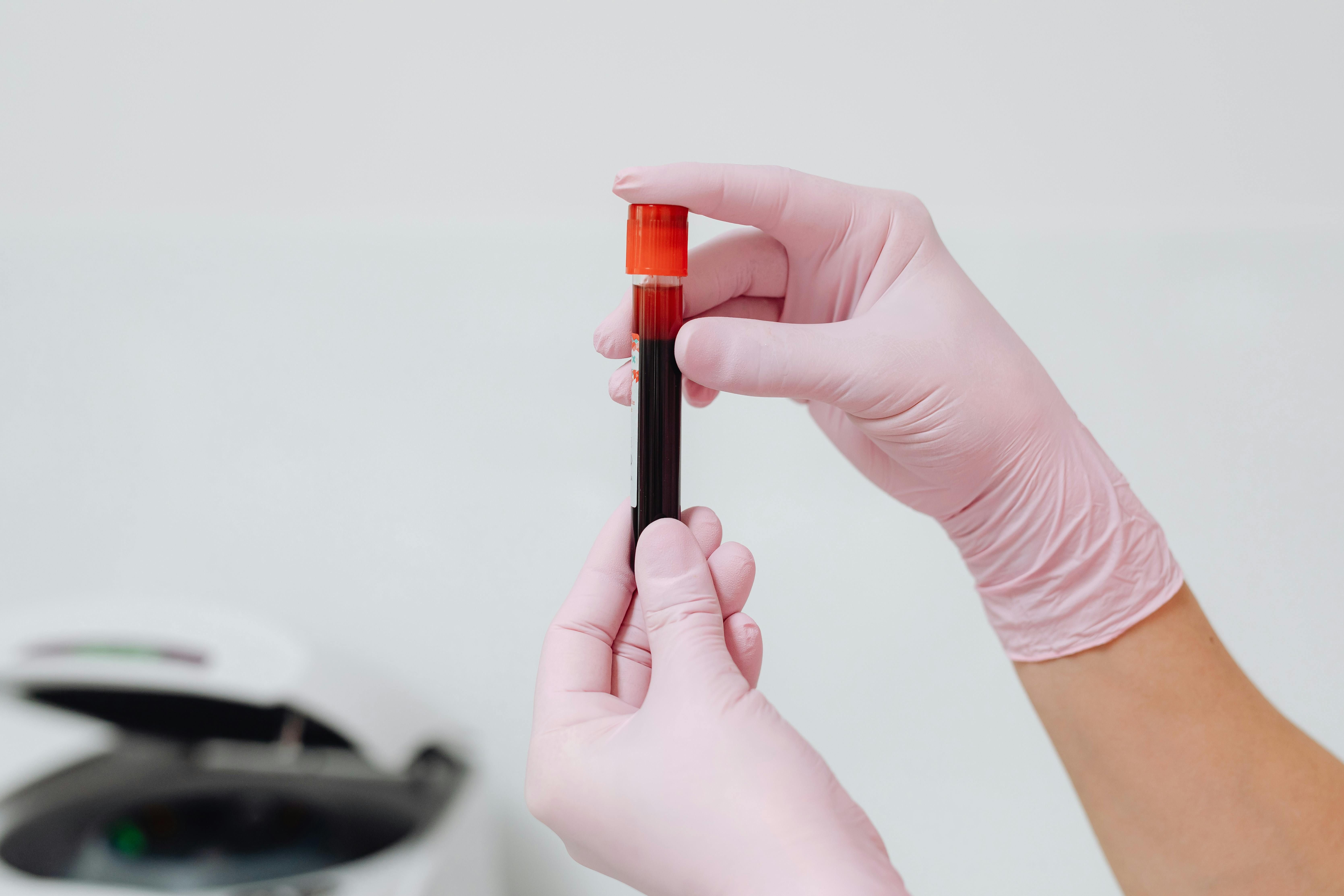
Why One Test Is Not Enough to Understand Your Immune System
Why this matters
A normal result when feeling unwell, or an abnormal one when feeling relatively well, is a common source of confusion and frustration. Understanding why single results are inherently limited makes them easier to interpret without drawing the wrong conclusions in either direction.
What a single test actually captures
A blood test measures the state of specific markers at the exact moment the sample is taken. Inflammatory markers such as CRP and ESR can be elevated during active disease and normal during quieter periods, sometimes within days of each other. Autoantibodies can be present years before symptoms appear, or absent despite clinically active disease in certain conditions. A single normal result doesn’t rule out a condition. A single abnormal result doesn’t confirm one. Both require context to be meaningful.
The immune system is also a network, not a single mechanism. No individual marker covers it comprehensively. A result that’s normal for one marker says nothing about dozens of others that may tell a different story.
Why patterns matter more than individual results
What is clinically meaningful isn’t any individual result but the pattern across multiple tests over time. An inflammatory marker that’s been gradually rising across six months could be significant even if each individual measurement remains within the normal range. A consistently mildly abnormal result tells a different story than one that fluctuates. The trend is the signal. The single result is one data point within it.
This is why clinicians repeat tests rather than relying on a single measurement, and why the timing matters. Testing during a flare produces different results than testing during a stable period, and both pieces of information are clinically useful in different ways.
What testing across multiple systems adds
Because immune conditions can affect multiple organs and systems, testing across a broader range of markers often surfaces connections that focused single-marker testing misses. Inflammatory markers, organ function tests, autoantibodies, and symptoms tracked alongside each other over time give a far more complete picture than any single result in isolation.
What you could do
- When a single result comes back normal despite ongoing symptoms, this means one marker at one moment was within range, which is different from a comprehensive clinical picture
- Keeping a record of test results over time alongside symptoms allows the pattern to become visible in a way that individual results cannot show
- When discussing results with the clinical team, asking what the result means in the context of previous results and current symptoms produces more clinically useful information than asking what it means in isolation
This article is for general information purposes only and doesn’t constitute legal, financial or benefits advice. For advice specific to your situation, please speak to a qualified professional or contact an organisation such as Citizens Advice, who may be able to assist you further.
References:
‘Diagnosis and management of rheumatoid arthritis: a review’ (2018) https://doi.org/10.1001/jama.2018.13103
‘Reference intervals: an update’ (2003) https://doi.org/10.1016/S0009-8981(03)00133-5

Why Your Immune Health Changes Over Time
Why this matters
Unexpected changes in symptoms are one of the most common sources of anxiety in chronic immune conditions. Knowing the likely reasons behind those changes makes them easier to interpret and communicate clearly to the clinical team.
Disease activity naturally fluctuates
Most immune conditions move through periods of higher and lower activity. During more active phases, symptoms that have been absent may return, or new ones may appear. During quieter periods, longstanding symptoms may reduce or resolve. This fluctuation reflects the inherently variable nature of immune dysregulation and doesn’t always indicate that the condition is progressing or that treatment has stopped working.
Life stage changes affect immune function
Hormonal changes associated with puberty, menstrual cycles, pregnancy, and menopause all interact with immune regulation. Conditions that were stable can shift during these periods, and symptoms that were manageable at one life stage may become more prominent at another. Postpartum is a particularly common time for flares in conditions such as rheumatoid arthritis, as hormonal shifts after delivery can destabilise immune regulation that pregnancy had temporarily modulated.
Ageing also influences immune function. The immune system changes gradually over decades, affecting how conditions behave and how well treatments work. This isn’t a reason for alarm but is part of why ongoing monitoring matters throughout life.
New symptoms can develop
Having one immune condition increases susceptibility to others. New symptoms that feel different from the established pattern of a known condition are worth investigating rather than assuming they belong to the same diagnosis. Overlapping conditions are common, and early identification allows earlier management.
Treatment changes also affect symptom experience. Starting or stopping a medication can reveal symptoms that were previously masked or create new ones as side effects. This doesn’t always mean the condition has changed. It may simply mean the picture looks different with or without a particular treatment.
What you could do
- Tracking symptoms over time rather than in isolation makes it much easier to distinguish between expected fluctuation and a meaningful change that warrants clinical review
- When something feels genuinely different from the usual pattern, noting specifically what’s changed and when it started makes that information much more useful in a clinical conversation
- Life stage changes such as pregnancy, menopause, or significant hormonal shifts are worth discussing proactively with the clinical team, as these periods often benefit from adjusted monitoring
This article is for general information purposes only and doesn’t constitute legal, financial or benefits advice. For advice specific to your situation, please speak to a qualified professional or contact an organisation such as Citizens Advice, who may be able to assist you further.
References:
‘Effect of pregnancy and hormonal changes on the activity of rheumatoid arthritis’ (2004) https://doi.org/10.3109/03009748309102886
‘Immune aging and autoimmune disease’ (2012) https://doi.org/10.1007/s00018-012-0970-0

How Genetics and Environment Shape Your Immune Health
Why this matters
Understanding that immune conditions arise from a combination of factors rather than a single cause removes the search for one explanation and replaces it with a more accurate picture of how these conditions actually develop.
What genetics contributes
Genes influence how the immune system is built and how it behaves. Certain gene variants affect the strength of inflammatory responses, the efficiency of self-tolerance mechanisms, and the likelihood of producing autoantibodies. These variants are relatively common in the population, which is why autoimmune conditions run in families without being inevitable or predictable.
Carrying a genetic risk factor isn’t the same as having a condition. Many people carry relevant gene variants and never develop symptoms. Genetics creates a vulnerability that environmental factors may or may not activate.
What the environment contributes
Environmental factors are what translate genetic susceptibility into active disease. Infections are among the most studied triggers. Certain viral and bacterial infections appear to initiate or accelerate immune dysregulation in genetically susceptible individuals, sometimes through molecular mimicry and sometimes through broader immune activation.
Chronic stress affects immune regulation in measurable ways, raising baseline inflammation and disrupting the hormonal balance that influences immune function. Significant life events, prolonged psychological stress, and physical stress such as surgery or serious illness have all been associated with the onset or worsening of immune conditions.
Exposure to certain toxic chemicals and environmental pollutants has also been linked to immune dysregulation. Prolonged exposure to substances such as heavy metals, pesticides, and industrial chemicals can disrupt immune function and may contribute to the development of autoimmune conditions in susceptible individuals.
Gut health is increasingly understood to play a role. The gut microbiome, the community of bacteria living in the digestive tract, influences immune regulation in ways that are still being mapped. Disruption to the microbiome through antibiotics, diet, or infection appears to affect immune function more broadly but the exact mechanisms are still being studied.
Why both matter together
Neither genetics nor environment alone is typically sufficient to cause an immune condition. It’s the interaction between them over time that creates the conditions in which dysregulation develops. This also explains why conditions can appear to start after a specific event such as an infection or a period of extreme stress, even though the underlying susceptibility was present long before.
What you could do
- Family history of autoimmune conditions is clinically relevant and worth sharing with the clinical team, as it informs screening and monitoring decisions
- Environmental factors such as stress, sleep, and infection aren’t just background noise. They interact with the underlying immune system in ways that affect disease activity over time and are worth tracking alongside symptoms
This article is for general information purposes only and doesn’t constitute legal, financial or benefits advice. For advice specific to your situation, please speak to a qualified professional or contact an organisation such as Citizens Advice, who may be able to assist you further.
References:
‘Heterogeneity of autoimmune diseases: pathophysiologic insights from genetics and implications for new therapies’ (2015) https://doi.org/10.1038/nm.3897
‘Mechanisms of environmental risk factors for autoimmune diseases’ (2026) https://doi.org/10.1016/j.autrev.2026.104012
‘Role of the microbiota in immunity and inflammation’ (2014) https://doi.org/10.1016/j.cell.2014.03.011
‘Stress as a risk factor in the pathogenesis of rheumatoid arthritis’ (2006) https://doi.org/10.1159/000104855

Why the Immune System Can Attack the Body
Why this matters
Being told the immune system is attacking the body can feel alarming and difficult to make sense of. Understanding the mechanisms involved replaces that alarm with a clearer picture of what’s actually happening and why.
How the immune system normally avoids this
The immune system uses a process called self-tolerance to distinguish the body's own cells from foreign ones. During early immune development, cells that react too strongly to the body's own tissue are eliminated or suppressed. Regulatory T cells also actively prevent immune responses from turning against healthy tissue. This system works well most of the time, but it isn’t perfect.
Why it sometimes goes wrong
Several mechanisms can disrupt self-tolerance. Molecular mimicry is one of the most studied. When an infection occurs, the immune system learns to recognise the pathogen. If part of that pathogen closely resembles a protein found in the body's own tissue, the immune response can accidentally begin targeting that tissue too, even after the infection has cleared.
Genetic factors also play a role. Certain gene variants affect how well the immune system distinguishes self from non-self, or how effectively regulatory mechanisms suppress inappropriate responses. These variants don’t guarantee autoimmune disease but significantly increase susceptibility.
Hormonal influences matter too. Autoimmune conditions are significantly more common in women, and hormonal changes associated with puberty, pregnancy, and menopause all appear to influence immune regulation in ways that aren’t yet fully understood.
What this produces
When self-tolerance breaks down, the immune system produces autoantibodies, immune proteins that specifically target the body's own tissue. Different autoantibodies target different tissues, which is why autoimmune conditions present so differently from one another. The presence of specific autoantibodies in blood tests is often how autoimmune activity is detected and monitored.
What you could do
When specific antibody tests are mentioned in clinical conversations, these are testing for the presence of autoantibodies that indicate the immune system is responding to particular tissues
- Understanding that this process develops gradually, and can be present before symptoms appear, helps contextualise why monitoring continues even during stable periods
This article is for general information purposes only and doesn’t constitute legal, financial or benefits advice. For advice specific to your situation, please speak to a qualified professional or contact an organisation such as Citizens Advice, who may be able to assist you further.
References:
‘Mechanisms of human autoimmunity’ (2015) https://doi.org/10.1172/JCI78088
‘Molecular mimicry and immune-mediated diseases’ (1998) https://doi.org/10.1096/fasebj.12.13.1255
‘Women and autoimmune diseases’ (2004) https://doi.org/10.3201/eid1011.040367

What Are Autoimmune Diseases and How Do They Start
Why this matters
Understanding what autoimmune diseases actually are, rather than just knowing a condition name, makes it easier to understand why certain symptoms occur, why monitoring matters, and why treatment works the way it does.
What autoimmune disease means
In a healthy immune system, a process called self-tolerance prevents immune cells from attacking the body's own tissue. In autoimmune disease, this tolerance breaks down. The immune system begins producing antibodies or immune cells that target specific tissues as if they were foreign threats. Which tissue is targeted determines the condition. In rheumatoid arthritis it’s the joints. In lupus it can be multiple organs including the kidneys and skin. In Hashimoto's thyroiditis it’s the thyroid gland.
How they start
Autoimmune diseases rarely begin with a single identifiable cause. They typically develop through a combination of factors over time. Genetic predisposition creates a susceptibility but not a certainty. Many people carry genes associated with autoimmune conditions and never develop them. Environmental triggers, including infections, significant stress, hormonal changes, or exposure to certain substances, can activate the immune dysregulation in someone who is genetically susceptible. The two together create the conditions in which autoimmune disease develops.
The process is also gradual. Autoantibodies, the immune proteins that target the body's own tissue, can be detectable in blood years before symptoms appear. This is why some people receive positive blood test results without a clinical diagnosis yet, and why the diagnostic process can feel so prolonged.
Why having one increases risk of another
Because autoimmune disease reflects a pattern of immune dysregulation rather than a single event, having one condition increases the likelihood of developing others. Shared genetic susceptibility, overlapping immune pathways, and the inflammatory environment created by one condition can all contribute to the development of a second. Common examples include thyroid disease alongside lupus or rheumatoid arthritis, and Sjögren's syndrome alongside other connective tissue diseases.
What you could do
- If there’s a family history of autoimmune conditions, mentioning this to the clinical team is relevant as it informs screening decisions
- Track any new or changing symptoms over time, particularly if they feel different from the established pattern of a known condition, as this can signal new immune activity worth investigating
This article is for general information purposes only and doesn’t constitute legal, financial or benefits advice. For advice specific to your situation, please speak to a qualified professional or contact an organisation such as Citizens Advice, who may be able to assist you further.
References:
‘Development of autoantibodies before the clinical onset of systemic lupus erythematosus’ (2003) https://doi.org/10.1056/NEJMoa021933
‘Heterogeneity of autoimmune diseases: pathophysiologic insights from genetics and implications for new therapies’ (2015) https://doi.org/10.1038/nm.3897
‘Recent insights in the epidemiology of autoimmune diseases: improved prevalence estimates and understanding of clustering of diseases’ (2009) https://doi.org/10.1016/j.jaut.2009.09.008

Acute vs Chronic Inflammation What's the Difference
Why this matters
Both types of inflammation involve the same biological process, but their consequences are very different. Knowing which one is at play helps make sense of why certain symptoms are monitored even when they feel manageable, and why long-term treatment remains important even during quiet periods.
Acute inflammation
Acute inflammation is what happens when a wound becomes red and swollen, or when a throat becomes painful during an infection. It’s fast, localised, and self-limiting. The immune system detects a threat, mounts a response, resolves it, and winds down. The whole process typically completes within days to a few weeks. This form of inflammation isn’t a problem. It’s the immune system functioning exactly as it should.
Chronic inflammation
Chronic inflammation is different in both duration and consequence. It persists beyond the resolution of the original trigger or develops when the immune system continues responding in the absence of an active threat. Unlike acute inflammation, it doesn’t wind down on its own. Over months and years, the ongoing immune activity causes cumulative damage to tissues and organs.
What makes chronic inflammation particularly difficult is that it isn’t always obvious. Pain and visible swelling aren’t always present. Chronic low-level inflammation can be present and causing damage while producing only vague symptoms such as fatigue, brain fog, or a general sense of not feeling well. This is why inflammatory markers in blood tests matter even when someone feels relatively stable.
Why the distinction matters for immune conditions
Most immune conditions involve chronic rather than acute inflammation. The immune system is persistently active in ways it shouldn’t be, either because it cannot fully resolve a trigger, because it’s responding to the body's own tissue, or because regulatory mechanisms that should switch it off aren’t working correctly. This is what drives long-term damage in conditions like rheumatoid arthritis, lupus, and inflammatory bowel disease, even during periods when symptoms feel manageable.
What you could do
When inflammatory markers such as CRP or ESR are mentioned in test results, these are measuring the level of ongoing inflammation even when symptoms aren’t severe
- Tracking symptoms consistently over time helps distinguish between flares of acute activity and background chronic inflammation that may not produce dramatic symptoms but still requires attention
This article is for general information purposes only and doesn’t constitute legal, financial or benefits advice. For advice specific to your situation, please speak to a qualified professional or contact an organisation such as Citizens Advice, who may be able to assist you further.
References:
‘Origin and physiological roles of inflammation’ (2008) https://doi.org/10.1038/nature07201
‘Points of control in inflammation’ (2002) https://doi.org/10.1038/nature01320
‘The pathogenesis of rheumatoid arthritis’ (2011) https://doi.org/10.1056/NEJMra1004965

What Is Inflammation and Why Does It Happen
Why this matters
Inflammation is one of the most commonly mentioned terms in immune condition management, yet it’s rarely explained clearly. Knowing what it actually is and why it happens makes it much easier to understand symptoms, test results, and why certain treatments work the way they do.
What inflammation actually is
Inflammation is the immune system's response to a perceived threat. That threat might be an infection, physical injury, a foreign substance, or damaged tissue. When the immune system detects something requiring attention, it triggers a series of biological changes at the site of the problem designed to contain the threat and begin healing.
The classic signs of acute inflammation are heat, redness, swelling, and pain. These aren’t side effects or signs that something is going wrong. They’re the direct result of increased blood flow to the area, the arrival of immune cells, and the chemical signals that coordinate the response. Each of these serves a purpose. Increased blood flow brings more immune cells to the site. Swelling creates pressure that helps contain the problem. Pain signals that the area needs to be protected.
The role of cytokines
The immune system coordinates inflammation through chemical messengers called cytokines. When a threat is detected, cytokines are released to recruit immune cells, increase blood vessel permeability so those cells can reach the site, and signal other parts of the immune system to join the response. Cytokines are also why inflammation affects the whole body rather than just the site of the problem. Fatigue, loss of appetite, and a raised temperature during an infection are all driven by cytokines redirecting resources toward fighting the threat.
Acute versus chronic inflammation
Acute inflammation is short-lived and resolves once the threat is dealt with. A cut heals, an infection clears, and the inflammatory response winds down. This is inflammation working as intended.
Chronic inflammation is different. It persists beyond the original trigger, either because the trigger cannot be fully resolved, because the immune system continues responding when it should have stopped, or because it’s begun responding to something that isn’t actually a threat. This is the form of inflammation that drives tissue damage over time and is central to many immune conditions. Low-level chronic inflammation can be present without obvious symptoms, which is why inflammatory markers in blood tests matter even when someone feels relatively well.
Why inflammation causes so many different symptoms
Because inflammation can occur in any tissue or organ, its symptoms vary depending on where it’s happening. Inflammation in joints causes pain and stiffness. In the skin it causes rashes. In the gut it causes pain and disruption to digestion. In blood vessels it can affect circulation. The underlying process is similar across all of these, but the location determines what is experienced.
What you could do
Understanding inflammation makes many clinical conversations easier to follow, from why certain blood tests measure inflammatory markers to why treatments that reduce inflammation can have such broad effects on symptoms.
- When inflammatory markers such as CRP or ESR are mentioned in test results, these are measuring the level of inflammation present in the body at the time of testing
- Tracking symptoms over time alongside test results helps reveal patterns between inflammation levels and how things feel day to day, which is often more informative than a single result in isolation
This article is for general information purposes only and doesn’t constitute legal, financial or benefits advice. For advice specific to your situation, please speak to a qualified professional or contact an organisation such as Citizens Advice, who may be able to assist you further.
References:
‘From inflammation to sickness and depression: when the immune system subjugates the brain’ (2008) https://doi.org/10.1038/nrn2297
‘Molecular basis of sickness behavior’ (1998) https://doi.org/10.1111/j.1749-6632.1998.tb08321.x
‘Origin and physiological roles of inflammation’ (2008) https://doi.org/10.1038/nature07201
‘Points of control in inflammation’ (2002) https://doi.org/10.1038/nature01320

Innate vs Adaptive Immunity Explained Simply
Why this matters
Many aspects of how immune conditions behave, from the speed of certain flares to why some treatments target specific immune pathways, become easier to understand when the difference between these two systems is clear.
The innate immune system
The innate immune system is the immediate response. Within minutes to hours of encountering a threat, it deploys a generalised defence. It doesn’t distinguish between different types of bacteria or viruses specifically. It simply recognises patterns that signal something foreign or damaged is present and responds accordingly.
The cells involved include macrophages, which engulf and destroy threats, and neutrophils, which arrive rapidly at sites of infection or injury. Natural killer cells patrol for abnormal cells. The innate system also triggers inflammation, which is how it signals to the rest of the immune system that something requires attention. This response is fast, non-specific, and the same each time the same type of threat is encountered. It doesn’t improve with repeated exposure.
The adaptive immune system
The adaptive immune system is slower but significantly more sophisticated. When the innate response alone isn’t sufficient, the adaptive system steps in, typically over several days. It analyses the specific threat and produces a targeted response.
The key players are B cells, which produce antibodies that are specific to a particular threat and tag it for destruction, and T cells, which coordinate the response and directly destroy infected or abnormal cells. Once the adaptive system has encountered a threat, it retains memory of it through specialised memory cells. The next time the same threat appears, the response is faster and more effective. This immunological memory is the basis of how vaccines work and why chickenpox typically only occurs once.
How they work together
The two systems don’t operate independently. The innate system handles the immediate response and also activates and directs the adaptive system, essentially passing it information about the nature of the threat. The adaptive system then refines the response and provides the lasting protection that the innate system cannot.
In immune conditions, it’s often this collaboration that goes wrong, with one or both systems becoming dysregulated in ways that produce persistent inflammation, inappropriate responses to the body's own tissue, or insufficient responses to genuine threats.
What you could do
Understanding these two systems helps contextualise a lot of what happens in clinical conversations, from why certain blood tests measure specific immune markers to why some treatments target one pathway rather than another.
- When a clinician mentions T cells, B cells, or antibodies, these are all part of the adaptive system. When they mention inflammation or cytokines, these are typically innate system processes
- Tracking symptoms over time helps identify patterns that may reflect which part of the immune system is most active at any given point
This article is for general information purposes only and doesn’t constitute legal, financial or benefits advice. For advice specific to your situation, please speak to a qualified professional or contact an organisation such as Citizens Advice, who may be able to assist you further.
References:
‘Immunobiology: The Immune System in Health and Disease (5th edn.)’ (2001) https://www.ncbi.nlm.nih.gov/books/NBK10757/
‘Innate immunity’ (2000) https://doi.org/10.1056/NEJM200008033430506

How Your Immune System Protects You Every Day
Why this matters
When living with an immune condition, it’s easy to think of the immune system primarily in terms of what it does wrong. Understanding what it does right and how much it handles without any conscious involvement gives a more complete picture of what’s actually being managed.
Physical barriers come first
The immune system's first line of defence isn’t inside the body at all. Skin, the mucous membranes lining the nose, mouth, and digestive tract, and the tiny hairs in the airways all act as physical barriers that stop most threats from entering in the first place. Saliva, tears, and stomach acid also contain substances that neutralise bacteria and viruses before they can cause harm. Most threats never get further than this.
When something gets through
When a threat breaches these barriers, the innate immune system responds within minutes to hours. Specialised white blood cells called macrophages and neutrophils move to the site of infection or damage and begin destroying the threat. This response also triggers local inflammation, producing the familiar signs of heat, redness, swelling, and pain. These aren’t side effects. They’re part of how the immune system contains the threat and begins repair.
At the same time, chemical signals called cytokines are released, alerting other parts of the immune system and coordinating the broader response. This is why an infection anywhere in the body can produce fatigue, loss of appetite, and a general feeling of being unwell. The immune system is redirecting resources and energy toward fighting the threat.
The adaptive response
If the innate response isn’t enough, the adaptive immune system steps in. It produces antibodies specific to the threat, which tag it for destruction and provide memory. The next time the same threat is encountered, the response is faster and more effective. This is the biological basis of immunity, whether acquired through infection or vaccination.
What the immune system monitors constantly
Beyond responding to active threats, the immune system runs continuous internal surveillance. It scans for damaged or abnormal cells and clears cellular waste, preventing accumulation that would otherwise cause harm over time. Perhaps most delicately, it maintains tolerance to the body's own tissue, continuously distinguishing between self and non-self while suppressing responses to healthy cells. This balance is one of the most complex things the immune system manages, and it’s precisely what breaks down in autoimmune conditions. When tolerance fails, the immune system begins treating the body's own tissue as a threat, driving the chronic inflammation that characterises conditions like lupus and rheumatoid arthritis.
What you could do
Understanding how much the immune system handles routinely helps contextualise what changes when it becomes dysregulated.
- Notice that many everyday symptoms, such as fatigue after an infection, swelling around a wound, or a raised temperature, are signs of the immune system working as intended rather than signs that something is wrong
- When something feels different from a usual immune response, tracking it over time helps distinguish a normal response from a pattern worth discussing with the clinical team
This article is for general information purposes only and doesn’t constitute legal, financial or benefits advice. For advice specific to your situation, please speak to a qualified professional or contact an organisation such as Citizens Advice, who may be able to assist you further.
References:
‘Correlates of protection induced by vaccination’ (2010) https://doi.org/10.1128/CVI.00131-10
‘From inflammation to sickness and depression: when the immune system subjugates the brain’ (2008) https://doi.org/10.1038/nrn2297
‘Immunobiology: The Immune System in Health and Disease (5th edn.)’ (2001) https://www.ncbi.nlm.nih.gov/books/NBK10757/
‘Molecular basis of sickness behavior’ (1998) https://doi.org/10.1111/j.1749-6632.1998.tb08321.x
‘The phagocytes: neutrophils and monocytes’ (2008) https://doi.org/10.1182/blood-2007-12-077917

What Is the Immune System and What Does It Actually Do
Why this matters
A lot of what happens in immune conditions, from why certain symptoms appear to why specific tests and treatments are used, starts to make more sense once there’s a basic understanding of what the immune system is actually doing. This is that foundation.
What the immune system is
The immune system isn’t a single organ. It’s a network of cells, tissues, and proteins distributed throughout the entire body, including the bone marrow where immune cells are produced, the lymph nodes and spleen where they gather and communicate, and the bloodstream through which they travel. White blood cells are the primary actors, but there are many different types, each with a specific role. Some identify threats, some destroy them, some coordinate the response, and some clean up afterwards.
The two arms of the immune system
The innate immune system is the first line of defence. It responds rapidly and broadly to anything it recognises as foreign or damaged. Inflammation is part of that response, which is why infections cause heat, redness, and swelling. These aren’t signs of damage, they’re signs that the immune system is working.
The adaptive immune system is slower but more precise. It learns to recognise specific threats, produces targeted antibodies, and retains memory of previous encounters. This is why vaccines work and why a second infection with the same virus tends to be milder than the first. Both arms work together, communicating constantly, and most responses to threats involve both.
What inflammation actually is
Inflammation tends to have a negative reputation, but in the short term, it’s a protective, controlled process. The immune system uses it to contain threats, recruit repair cells, and begin healing. When it becomes chronic, persistent, or misdirected, it causes tissue damage and symptoms associated with many immune conditions.
How the immune system tells self from non-self
The immune system continuously scans the body, distinguishing between the body's own cells and foreign material through a process called self-recognition. In autoimmune conditions, this recognition system breaks down, and the immune system begins responding to the body's own tissue as if it were a threat. This is the core of what makes autoimmune conditions different from other immune disorders.
What you could do
Even a basic understanding of how the immune system works tends to reduce the confusion that comes with navigating an immune condition, particularly in clinical conversations.
- When a clinician mentions a specific antibody or immune marker, having a sense of what that part of the system does makes the conversation easier to engage with
This article is for general information purposes only and doesn’t constitute legal, financial or benefits advice. For advice specific to your situation, please speak to a qualified professional or contact an organisation such as Citizens Advice, who may be able to assist you further.
References:
‘Cellular and Molecular Immunology (10th edn.)’ (2022) https://www.elsevier.com/books/cellular-and-molecular-immunology/abbas/978-0-323-75748-5
‘Origin and physiological roles of inflammation’ (2008) https://doi.org/10.1038/nature07201

What Provisional Diagnosis Means and Why It Is Used
Why this matters
Being given a provisional or uncertain diagnosis can feel unsatisfying, particularly after a long period of unexplained symptoms. Knowing why clinicians use this approach and what it enables makes it easier to engage with rather than resist.
What a provisional diagnosis actually is
A provisional diagnosis is a clinician's best current assessment of what is most likely happening, based on available evidence, when that evidence isn’t yet sufficient for certainty. It’s used when symptoms are consistent with a condition, but not all criteria are met, when tests haven’t yet confirmed the picture, or when the condition is known to evolve before declaring itself fully.
It’s a clinical tool, not a placeholder while someone waits to be taken seriously. It allows treatment to begin, monitoring to be structured, and referrals to be made to the right specialists, all before the final picture is clear.
Common examples of provisional conditions
Terms such as undifferentiated connective tissue disease, incomplete lupus, or generalised inflammatory arthritis are all forms of provisional diagnosis. They reflect genuine clinical assessment that something autoimmune or inflammatory is happening without yet meeting the full criteria for a more specific label. These are legitimate diagnoses in their own right, not the absence of one.
What it means for treatment
A provisional diagnosis doesn’t mean treatment has to wait. Many treatments can begin based on the clinical picture, even without diagnostic certainty. It also doesn’t mean the diagnosis will remain provisional indefinitely. As the condition evolves and more data accumulates, provisional diagnoses are often refined or confirmed, sometimes over months or years.
What it does not mean
A provisional diagnosis isn’t a way of saying the symptoms aren’t real. It isn’t a sign that the clinician doesn’t know what they’re doing. And it isn’t a reason to stop asking questions or seeking clarity on what’s being monitored and why.
What you could do
- Ask the clinician what the provisional diagnosis means specifically, what’s being monitored, and what would change the diagnosis or confirm it
- Track symptoms carefully during this period, as the pattern over time is often what moves a provisional diagnosis toward a definitive one
- If the provisional diagnosis has been in place for a long time without review or progression, asking for a reassessment or a second opinion is reasonable
This article is for general information purposes only and doesn’t constitute legal, financial or benefits advice. For advice specific to your situation, please speak to a qualified professional or contact an organisation such as Citizens Advice, who may be able to assist you further.
References:
‘Diagnostic uncertainty in primary care: what is known about its communication, and what are the associated ethical issues?’ (2021) https://doi.org/10.1093/fampra/cmab023
‘Predicting progression from undifferentiated connective tissue disease to definite connective tissue disease: a systematic review and meta-analysis’ (2022) https://doi.org/10.1016/j.autrev.2022.103184
‘Towards a sociology of diagnosis: reflections and opportunities’ (2011) https://doi.org/10.1016/j.socscimed.2011.07.014
‘Undifferentiated CTD: a wide spectrum of autoimmune diseases’ (2012) https://doi.org/10.1016/j.berh.2012.01.005

Why Diagnosis Can Take Years and What That Means for Treatment
Why this matters
Being told there is no diagnosis yet after months or years of symptoms can feel like being dismissed. Understanding the genuine clinical reasons for diagnostic delay separates the systemic challenge from personal failure or medical negligence, which helps in knowing how to respond constructively.
Why immune conditions take so long to diagnose
Many immune conditions begin with vague, non-specific symptoms such as fatigue, joint pain, and recurrent infections that overlap significantly with other conditions. Standard blood tests are often normal in early disease because the immune activity hasn’t yet crossed the threshold that tests are designed to detect. Some conditions require specific antibodies to be present, and these can take years to develop to detectable levels, even when the condition is already active.
The diagnostic process also depends on pattern recognition over time. A single set of symptoms and results captures one moment. The pattern across multiple episodes, over months or years, is often what finally makes a diagnosis clear. This isn’t a flaw in the system so much as the nature of conditions that evolve gradually.
Some conditions also have overlapping features with others in the same family, meaning an early diagnosis of one condition may later be refined or changed as the full picture emerges. Undifferentiated connective tissue disease, for example, is a legitimate interim diagnosis that acknowledges something is happening before the full pattern is clear.
What diagnostic delay means for treatment
A definitive diagnosis isn’t always required to begin treatment. Symptoms can be managed, and in some cases, disease-modifying treatment can be started, based on clinical presentation, even before all criteria are formally met. Asking the clinician directly whether any treatment or management is appropriate in the interim is a reasonable question during a long diagnostic process.
Diagnostic delay also doesn’t mean the condition has been progressing unchecked without anyone noticing. Monitoring during uncertain periods is itself a form of clinical management.
What you could do
- Ask at each appointment what the next diagnostic step is and what the criteria are for moving to that step, so the process feels structured rather than open-ended
- Track symptoms consistently over time, as the longitudinal pattern is often what enables diagnosis when isolated results appear normal
- If the diagnostic process has stalled, asking for a case review or a second opinion from a specialist in complex or undifferentiated conditions is appropriate and reasonable
This article is for general information purposes only and doesn’t constitute legal, financial or benefits advice. For advice specific to your situation, please speak to a qualified professional or contact an organisation such as Citizens Advice, who may be able to assist you further.
References:
'Autoantibody systems in rheumatoid arthritis: specificity, sensitivity and diagnostic value' (2002) https://doi.org/10.1186/ar395
‘EULAR recommendations for the management of rheumatoid arthritis with synthetic and biological disease-modifying antirheumatic drugs: 2019 update’ (2020) https://doi.org/10.1136/annrheumdis-2019-216655
‘Kelley and Firestein's Textbook of Rheumatology (10th edn.)’ (2017) https://www.elsevier.com/books/kelleys-textbook-of-rheumatology/firestein/978-0-323-31696-5
‘Seronegative autoimmune diseases: a challenging diagnosis’ (2022) https://doi.org/10.1016/j.autrev.2022.103143
‘The diagnosis and classification of undifferentiated connective tissue diseases’ (2012) https://doi.org/10.1016/j.jaut.2014.01.019

What to Do While Waiting for a Diagnosis
Why this matters
Diagnostic limbo isn’t a passive state. Without a diagnosis, it can feel like nothing can be done, but that isn’t accurate. Symptom management, documentation, and clear communication with the clinical team all make a difference both to quality of life and to how quickly the picture becomes clear.
Manage symptoms even without a diagnosis
A diagnosis isn’t required to treat what is actually affecting daily life. Pain, fatigue, and functional difficulties can all be addressed regardless of the underlying cause. Asking the GP directly: "While we are waiting for clarity, what can be done to manage these symptoms?" is a reasonable and appropriate question. Symptom management during this period isn’t giving up on a diagnosis. It’s making the wait more bearable.
Document everything clearly
The diagnostic process depends on pattern recognition over time. Tracking symptoms, noting when they are worse or better, what triggers them, and how they affect daily functioning creates a picture that’s much more useful to clinicians than descriptions from memory alone. This documentation also makes it harder for symptoms to be dismissed and helps each appointment start from a more informed baseline.
Agree on a monitoring plan
If diagnosis remains uncertain after initial investigations, it’s reasonable to ask for a clear plan: how often will reviews happen, what symptoms would prompt earlier contact, and what tests will be repeated and when. This prevents the experience of simply being told to wait without any structure around what comes next.
Know when to push
Symptoms that are worsening, significantly affecting daily functioning, or involving new features that haven’t been assessed warrant proactive contact with the clinical team rather than passive waiting. Raising concerns clearly and specifically, "This symptom has changed in the last two weeks and is now affecting my ability to work," is more likely to prompt action than general descriptions of feeling unwell.
What you could do
- Start building a symptom record now, as the pattern over time is often what enables a diagnosis when individual results appear normal
- Ask at every appointment what the next step is and when it will happen, so the process has forward momentum
- Seek support for the psychological impact of diagnostic uncertainty, as the limbo period carries its own mental health burden that’s worth addressing directly
This article is for general information purposes only and doesn’t constitute legal, financial or benefits advice. For advice specific to your situation, please speak to a qualified professional or contact an organisation such as Citizens Advice, who may be able to assist you further.
References:
‘Delayed diagnosis in outpatient care: a systematic review of documentation fragmentation as a hidden driver of diagnostic error’ (2026) https://doi.org/10.7759/cureus.102990
‘Establishing a core domain set to measure rheumatoid arthritis flares: report of the OMERACT 11 RA flare workshop’ (2014) https://doi.org/10.3899/jrheum.131252
‘Towards a sociology of diagnosis: reflections and opportunities’ (2011) https://doi.org/10.1016/j.socscimed.2011.07.014

How to Use mOI to Prepare for Your Next Appointment
Why this matters
Clinicians make decisions based on what they know. When the information available is fragmented, recalled under pressure, or incomplete, the quality of those decisions is limited. A structured, accessible health record changes the dynamic of the consultation.
What to do before the appointment
Review recent symptom trends in mOI before the appointment. Look at what has changed since the last visit, what has stayed the same, and any patterns that have emerged. Identify the two or three most important things to raise and have them clear before walking in. This prevents the common experience of arriving with a list of concerns and running out of time before reaching the most important ones.
Check test results and any insights mOI has surfaced. If a pattern has emerged between symptoms and another variable, such as a medication change or a period of increased stress, that context is worth sharing. Clinicians cannot see what hasn’t been recorded.
What to bring
The full health record doesn’t need to be presented. A brief, clear summary is more useful: overall trend since last appointment, frequency and severity of any flares, any new or changed symptoms, current medications and any concerns about them, and specific questions. Having the full record accessible on the phone means the clinician can go deeper on any specific period if needed.
During the appointment
Use the mOI’s structured health timeline to explain what has happened rather than relying on memory. Photos of visible graphs in mOI are particularly useful for conditions that fluctuate, as they provide objective evidence at moments when the symptom may not be present.
The clinician-ready summary available in mOI provides a structured output that can be shared directly, reducing the time spent explaining history and leaving more time for discussion.
What you could do
- Log symptoms consistently in the weeks before an appointment, as recent data is the most clinically useful
- Review insights and trends in the app before going in, and note anything that’s changed or surprised you
- Prepare two or three specific questions in advance so the appointment has clear direction from the start
This article is for general information purposes only and doesn’t constitute legal, financial or benefits advice. For advice specific to your situation, please speak to a qualified professional or contact an organisation such as Citizens Advice, who may be able to assist you further.

What Symptom Tracking Actually Helps Clinicians Versus Busywork
Why this matters
Clinicians see patients for 15 to 30 minutes every few months. They cannot observe what happens between appointments. Good tracking turns that gap into useful clinical information. Poor tracking creates a pile of data that no one can meaningfully interpret, including the person who collected it.
What clinicians actually use
The information that most directly informs clinical decisions includes symptom severity trends over time, flare frequency and duration, functional impact such as days unable to work or activities avoided, new or changing symptoms, and side effects from medications. These give a clinician the pattern they need to assess whether treatment is working, whether the condition is progressing, and what to adjust.
Photos of visible symptoms such as rashes or swelling are also genuinely useful, particularly for conditions that fluctuate and may not be visible at the time of the appointment.
What tends to be busywork
Recording every minor fluctuation in pain throughout the day adds little when a single daily severity rating would tell the same story. Logging every episode of fatigue is less useful than noting the overall pattern across the week. Keeping detailed food diaries when diet isn’t a suspected trigger creates effort without clinical return. The common thread is tracking everything just in case, which tends to create volume without value and increases anxiety rather than clinical insight.
Before recording something, it’s worth asking whether that information would change what the clinician does or help answer a specific clinical question. If the answer is no, it probably doesn’t need to be tracked.
How to bring tracking to an appointment
A one-page summary is more useful than fifty pages of daily logs. Clinicians need the overall trend, the number and severity of flares, any new symptoms, medication adherence, and specific questions. If the full record is needed, having it accessible is enough. The summary is what actually gets read.
When to track more and when less
Track more intensively when starting a new medication, during a flare, preparing for an appointment, or when the disease is unstable. Track less when the condition is stable, when tracking is creating significant anxiety, or when it’s reinforcing an unhealthy focus on illness.
What you could do
- Focus tracking on what changes: flare frequency, severity trends, functional impact, and new symptoms are the most clinically useful categories
- Use structured tools rather than free-form notes, as prompts limit over-recording and keep data consistent enough to show patterns
- Bring a brief summary to appointments rather than the full record, and be ready to go deeper on any specific period if asked
- If in doubt, ask your clinician or members of the multi-disciplinary team what they would find useful for you to track
This article is for general information purposes only and doesn’t constitute legal, financial or benefits advice. For advice specific to your situation, please speak to a qualified professional or contact an organisation such as Citizens Advice, who may be able to assist you further.
References:
‘A systematic review of the effectiveness of self-symptoms monitoring with Patient Reported Outcome Measures in rheumatic disease patients’ (2025) https://doi.org/10.1371/journal.pone.0338935
‘Interpreting the clinical importance of treatment outcomes in chronic pain clinical trials: IMMPACT recommendations’ (2008) https://doi.org/10.1016/j.jpain.2007.09.005

Managing Hygiene and Self Care During Severe Symptoms
Why this matters
Hygiene and self-care are rarely discussed in the context of chronic illness, which can leave people feeling alone with something that affects daily life significantly during flares. There’s no failure in finding these tasks hard when severely unwell.
Why self-care becomes difficult during severe symptoms
Fatigue, pain, joint stiffness, and reduced mobility all make tasks that are ordinarily automatic considerably harder. The energy cost of showering, dressing, or preparing food can be disproportionate to what’s available. For some people, the cognitive load of managing multiple tasks at once, or simply standing long enough to complete them, is the barrier. Skin sensitivity, photosensitivity, or active rashes can also make standard products or routines uncomfortable or harmful.
Adapting rather than abandoning
The goal during difficult periods is a reduced but sustainable version of self-care, not the full routine or nothing. Sitting rather than standing for tasks where possible, using a shower chair, breaking washing into smaller steps with rest between, or switching to dry shampoo on days when a full shower isn’t manageable all reduce the energy cost without abandoning hygiene entirely.
Warm rather than hot water tends to be better tolerated during skin flares. Fragrance-free, gentle products reduce irritation. Laying out everything needed before starting a task means fewer trips and less standing time.
Food and nutrition
Preparing food is often one of the first things to become difficult during a severe flare. Simple, no-cook or minimal-cook options, batch cooking during better periods and freezing portions, and accepting help with meals where available all reduce the burden without compromising nutrition entirely. Staying hydrated is easier to maintain than eating when severely unwell and is worth prioritising.
Asking for and accepting help
During severe flares, asking someone to help with personal care or household tasks isn’t a failure of independence. It’s an appropriate response to a temporary reduction in capacity. Identifying in advance who could help, and what specifically would be most useful, makes it easier to ask when needed rather than having to work it out in the middle of a difficult period.
What you could do
- Keep a small kit of adapted self-care essentials, such as dry shampoo, gentle wipes, and easy-to-open products, accessible for difficult days
- Identify the minimum self-care that feels necessary for wellbeing and focus energy there when capacity is limited
- Track flare patterns over time so periods of reduced capacity can be anticipated and prepared for
- Discuss your goals with occupational therapists and physiotherapists who can help you manage your household tasks and activities of daily living
This article is for general information purposes only and doesn’t constitute legal, financial or benefits advice. For advice specific to your situation, please speak to a qualified professional or contact an organisation such as Citizens Advice, who may be able to assist you further.
References:
‘Epidermal barrier dysfunction in atopic dermatitis’ (2009) https://doi.org/10.1038/jid.2009.133
'Occupational therapy addressing the ability to perform activities of daily living among persons living with chronic conditions: a randomised controlled pilot study of ABLE 2.0' (2021) https://doi.org/10.1186/s40814-021-00861-9
‘Patients' perceptions of fatigue in rheumatoid arthritis: overwhelming, uncontrollable, ignored’ (2005) https://doi.org/10.1002/art.21450

How to Pace Activity Without Feeling Like You Are Giving Up
Why this matters
The push-crash cycle, doing too much when energy allows and then being unable to function for days afterwards, is one of the most common and damaging patterns in chronic immune conditions. Pacing is the clinical alternative to that cycle, and it’s evidence-based.
What pacing actually is
Pacing means spreading activity throughout the day and week in a way that keeps the body within sustainable limits, rather than spending all available energy in one burst and having nothing left. It involves planning rest into the day deliberately, not just when collapsed, and treating energy as a finite resource that needs to be budgeted rather than spent freely when it’s there.
This isn’t the same as giving up on activity or accepting a permanently reduced life. It’s a strategy that, over time, tends to increase what can be done consistently rather than decrease it.
The push-crash cycle
On a good day, the temptation is to catch up on everything that’s been missed. This feels productive in the moment but tends to trigger a crash that wipes out the following days. The net result is less total activity over the week than a paced approach would have allowed. Pacing removes the high of the good day but also removes the crash, creating a more even and ultimately more functional baseline.
How to pace in practice
Breaking tasks into smaller chunks with rest between them is the foundation. Ten minutes of activity followed by five to ten minutes of rest, repeated, tends to produce more total output than one sustained effort followed by collapse. Prioritising ruthlessly on difficult days and resisting the urge to use all available energy on better ones, builds consistency over time.
It also helps to plan for the day after an effortful activity, not just the day itself. If something requires significant energy, building in recovery time the following day is part of the plan, not a failure.
Building around constraints is not giving up
Choosing activities that fit current capacity, creating routines that reduce daily decision-making, and accepting that sustainable looks different from maximum are all forms of wise adaptation. They aren’t signs of defeat. They are what make it possible to keep doing the things that matter.
What you could do
- Track energy levels alongside activities over time to identify personal patterns, as the relationship between activity and recovery is highly individual
- Identify one or two activities that consistently trigger crashes and experiment with reducing their intensity or duration rather than eliminating them entirely
- Discuss pacing with the clinical team, particularly if fatigue is a significant symptom, as occupational therapists and physiotherapists experienced in chronic illness can provide personalised guidance
This article is for general information purposes only and doesn’t constitute legal, financial or benefits advice. For advice specific to your situation, please speak to a qualified professional or contact an organisation such as Citizens Advice, who may be able to assist you further.
References:
‘Energy conservation/envelope theory interventions’ (2013) https://doi.org/10.1080/21641846.2012.733602
‘Fear of movement and avoidance behaviour toward physical activity in chronic-fatigue syndrome and fibromyalgia: state of the art and implications for clinical practice’ (2013) https://doi.org/10.1007/s10067-013-2277-4
‘Pacing as a strategy to improve energy management in myalgic encephalomyelitis/chronic fatigue syndrome: a consensus document’ (2012) https://doi.org/10.3109/09638288.2011.635746
Signs Your Treatment Is Working Even If Symptoms Persist
Why this matters
Symptoms that persist despite treatment can make it feel like nothing is working. Acting on that feeling by stopping or changing medication prematurely is one of the most common reasons treatment fails. Before drawing that conclusion, it’s worth checking what the evidence actually shows.
Check objective markers first
Blood tests are the most reliable early indicator of treatment response. Falling inflammatory markers such as CRP and ESR, improving disease-specific antibody levels, or stabilising organ function all suggest treatment is working even when symptoms haven’t yet caught up. If markers are improving, the treatment is doing something, and symptoms often follow weeks later.
Look at flare patterns, not daily symptoms
Day-to-day symptoms fluctuate and aren’t a reliable measure of treatment response on their own. Flare frequency, severity, and duration are more meaningful. Flares happening less often, resolving faster, or being less disabling than before are clear signs of treatment benefit, even if baseline symptoms remain.
Assess functional change
Compare the current function to three or six months ago, not to how things feel today. Being able to sustain activity longer, recover faster, or manage tasks that were previously impossible are all objective signs of improvement. These gains tend to become invisible quickly because the brain adapts, making it easy to underestimate how much has changed.
Stability counts
For naturally progressive conditions, not getting worse is a meaningful outcome. Holding steady, maintaining current function, and avoiding the deterioration that would have occurred without treatment are all signs that treatment is doing its job.
What you could do
Comparing the current status to three or six months ago, rather than to how things feel today, gives a more accurate picture of direction.
- Check blood test trends before concluding treatment aren’t working. Ask the clinical team what the markers show
- Track flare frequency and severity over time so patterns are visible rather than relying on how today feels
- If considering stopping or changing treatment, discuss it with the clinical team first and review the full picture together
This article is for general information purposes only and doesn’t constitute legal, financial or benefits advice. For advice specific to your situation, please speak to a qualified professional or contact an organisation such as Citizens Advice, who may be able to assist you further.
References:
‘Diagnosis and management of rheumatoid arthritis: a review’ (2018) https://doi.org/10.1001/jama.2018.13103
‘Establishing a core domain set to measure rheumatoid arthritis flares: report of the OMERACT 11 RA flare workshop’ (2014) https://doi.org/10.3899/jrheum.131252
‘Treating rheumatoid arthritis to target: recommendations of an international task force’ (2010) https://doi.org/10.1136/ard.2009.123919

What to Do When You Feel Worse After Starting Treatment
Why this matters
Stopping medication abruptly when symptoms worsen is often the wrong decision and can make things significantly harder to manage. The urge to stop is understandable, but acting on it without speaking to a clinician first risks making things worse.
Step 1: Document what is happening
Note when symptoms started relative to when the medication was introduced, what’s new versus what was already present, and how severity has changed over time. This is the information the clinical team will need to make a useful assessment.
Step 2: Check for common explanations before escalating
Some worsening after starting treatment is expected and temporary. Most medications take weeks to months to reach full effect, and symptoms can transiently worsen before they improve. If a symptom appeared within days of starting the medication and is listed as a known side effect, that’s worth reporting, but may not require stopping treatment. Many side effects are manageable through dose adjustment, timing changes, or supportive medications.
It’s also worth honestly reviewing adherence. Missed doses, even occasional ones, can allow disease activity to return and may explain worsening without the treatment having failed.
Step 3: Contact the clinical team
Don’t wait for the next scheduled appointment if worsening feels significant. Contact the GP or specialist and provide a clear account of what’s changed, when it started, how it compares to the previous baseline, and what impact it’s having on daily functioning.
Step 4: Do not stop medication without guidance
Do not stop DMARDs, biologics, or immunosuppressants without speaking to a clinician first or unless you have been advised to do so in particular circumstances. Stopping suddenly can trigger rebound flares and make it harder to regain control.
What you could do
- Track symptoms and medication timing together so patterns are visible and easy to communicate
- If worsening feels serious or is progressing rapidly, contact the clinical team the same day rather than waiting
- Ask specifically whether what’s being experienced is expected at this stage of treatment, or whether it warrants investigation
This article is for general information purposes only and doesn’t constitute legal, financial or benefits advice. For advice specific to your situation, please speak to a qualified professional or contact an organisation such as Citizens Advice, who may be able to assist you further.
References:
‘EULAR recommendations for the management of rheumatoid arthritis with synthetic and biological disease-modifying antirheumatic drugs: 2019 update’ (2020) https://doi.org/10.1136/annrheumdis-2019-216655
‘2021 American College of Rheumatology guideline for the treatment of rheumatoid arthritis’ (2021) https://doi.org/10.1002/acr.24596

How to Advocate for Yourself in Emergency Care With a Chronic Condition
Why this matters
In emergency settings, clinicians are working quickly with limited information. They may have limited familiarity with the condition, no access to the full history, and incomplete understanding of what’s normal versus what’s new. The responsibility for bridging that gap often falls on the person in front of them, which is difficult when feeling seriously unwell.
Communicate clearly from the start
Stay calm. Emotional distress is understandable, but clear communication is more effective. Provide relevant medical history early: diagnosis, current medications, previous complications, and what’s specifically different about today. Being specific matters. "I have lupus, I’m on immunosuppressants, and I had nephritis two years ago. My symptoms have worsened significantly over three days", gives the team something concrete to work with.
If too unwell to communicate effectively, a family member or friend can advocate. Having someone who knows the key information can change the quality of the assessment significantly.
Know what to ask for
If the assessment feels incomplete or concerns haven’t been addressed, asking directly is appropriate. Specific questions tend to be more effective than general ones:
- "What have we ruled out with these tests?"
- "What else could cause these symptoms?"
- "Why is this symptom not concerning, given my medical history?"
- "What would need to change for you to admit me or investigate further?"
- "Could a senior doctor review me before discharge?"
- "I have vasculitis. Could the on-call rheumatology or vasculitis team review my case?"
These aren’t confrontational. They are clinically relevant, and most teams will respond constructively.
Before leaving
Ask for explicit safety netting: "What symptoms would mean I should come back immediately?" and "Who should I contact for follow-up and how quickly?" Request written discharge documentation covering what was assessed, tests done, what was ruled out, and the follow-up plan. Written instructions are more reliable than verbal ones.
If sent home, but symptoms worsen
Returning to A&E is always an option. Attending more than once is appropriate if the clinical picture changes. Following up with the GP promptly after any A&E visit ensures the assessment is documented and continuity of care is maintained.
What you could do
Preparing key information before a crisis removes the burden of having to recall it when unwell.
- Keep a medication list accessible at all times, including doses, diagnoses, and specialist contact details
- If someone else may need to advocate, make sure they know what to communicate and when to push back
- If discharged but symptoms worsen, returning to A&E is always an option and is appropriate
This article is for general information purposes only and doesn’t constitute legal, financial or benefits advice. For advice specific to your situation, please speak to a qualified professional or contact an organisation such as Citizens Advice, who may be able to assist you further.
References:
‘Effective discharge communication in the emergency department’ (2012) https://doi.org/10.1016/j.annemergmed.2011.10.023
‘Patient-centered care and outcomes: a systematic review of the literature’ (2013) https://doi.org/10.1177/1077558712465774

When to Go to A&E Versus Wait for a GP Appointment
Why this matters
For people living with immune conditions, the line between a severe flare and a genuine emergency isn’t always obvious. Going to A&E when it isn’t needed means hours of waiting for a service that cannot help with what’s actually wrong. Not going when it’s needed can be dangerous. A clear framework makes the decision easier under pressure.
Call 999 or go to A&E immediately
- Breathing difficulties: Shortness of breath at rest, rapid breathing, gasping, or blue lips or fingers
- Severe chest pain: Crushing pain radiating to the jaw or arm, or tightness and pressure
- Sudden severe headache: The worst headache of your life, particularly with a stiff neck, confusion, or vision loss
- Sudden vision loss: Loss of vision in one or both eyes, double vision, or a curtain coming down
- Suspected sepsis: Fever over 38°C with confusion, extreme weakness, rapid breathing, rapid heart rate, or mottled skin
- Severe abdominal pain: Unrelenting pain with vomiting, inability to keep fluids down, rigid abdomen, or fever
- Neurological changes: Sudden weakness on one side, slurred speech, facial drooping, confusion, or seizures
- Significant bleeding: Coughing up blood, vomiting blood, heavy rectal bleeding, or blood in urine beyond streaks
Contact GP or specialist the same day
- High persistent fever: Over 38°C lasting more than 24 hours with no obvious cause
- Significant joint swelling: Multiple joints suddenly very swollen, hot, and painful
- New rash with systemic symptoms: Widespread rash with fever, non-blanching rash, or blistering rash
- Medication side effects: Severe nausea, persistent vomiting, yellowing of eyes or skin, unusual bruising, or severe mouth ulcers
Manage at home with routine follow-up
- Mild to moderate increase in usual symptoms that remains manageable
- Low-grade fever between 37.5 and 38°C, monitoring closely
- Minor new symptoms such as a mild headache responsive to analgesia or a slight increase in fatigue
What you could do
When in doubt about which category applies, calling NHS 111 is a reasonable step. They can advise on urgency and direct to the most appropriate service.
- Keep a note of current medications and diagnoses accessible, as this information speeds up any emergency assessment significantly
- If going to A&E, mention immunosuppression early and clearly, as this changes how clinicians assess infection risk
- If discharged from A&E but symptoms worsen, returning is always an option
This article is for general information purposes only and doesn’t constitute legal, financial or benefits advice. For advice specific to your situation, please speak to a qualified professional or contact an organisation such as Citizens Advice, who may be able to assist you further.
References:
‘Suspected Sepsis: recognition, diagnosis and early management (NICE guideline NG51)’ (2016) https://www.nice.org.uk/guidance/ng51
‘2013 IDSA clinical practice guideline for vaccination of the immunocompromised host’ (2014) https://doi.org/10.1093/cid/cit684

What to Do During a Severe Flare While Waiting for Medical Help
Why this matters
A GP appointment might be days away. A specialist callback might come tomorrow. The time between recognising something is wrong and getting help isn’t just waiting. There are things that can make a meaningful difference in that window.
This is for severe but non-emergency flares
Seek emergency care immediately if there is breathing difficulty, chest pain, sudden severe headache with vision changes, neurological symptoms, high fever with severe symptoms, severe unrelenting pain, or heavy bleeding. Those require Emergency Department (ED) care, not home management.
General principles
Rest and reduce demands. Take time off work, if possible, reduce household responsibilities, cancel non-essential commitments, and sleep as much as the body needs. Rest is medical management, not laziness.
Pace energy carefully. Break tasks into small chunks with rest in between. Prioritise ruthlessly and accept help.
Stay hydrated and maintain nutrition. Drink regularly, aim for pale urine, and eat small, frequent meals when possible.
Symptom-specific management
Joint pain: Heat for stiffness, cold packs for hot swollen joints, elevate swollen limbs, and paracetamol regularly up to recommended limits for you.
Skin flares: Avoid irritants and harsh soaps, moisturise frequently, use cool compresses for itching, apply prescribed topical treatments, and use sun protection if photosensitive.
Fatigue: Rest without guilt, short naps of 20 to 30 minutes, gentle movement if tolerable, and reduce screen time.
Digestive symptoms: Low-residue diet during acute flares, small frequent meals, stay hydrated, and use heat pads on the abdomen for cramping.
Fever: Monitor temperature regularly, take paracetamol, rest in a cool environment, and contact the clinical team if fever above 38°C persists for more than 24 hours, particularly when on immunosuppression.
Medications
Only adjust medications if there’s a pre-agreed plan. Some patients can temporarily increase prednisolone during flares if explicitly agreed with the specialist. Never self-adjust without prior discussion. Don’t stop DMARDs, biologics, or immunosuppressants without medical advice, as stopping suddenly can trigger rebound flares.
When to escalate
Contact the clinical team for an earlier appointment if symptoms are worsening after 48 to 72 hours of home management, new concerning symptoms are developing, or it becomes impossible to eat, drink, or care for yourself. Don’t suffer unnecessarily.
This article is for general information purposes only and doesn’t constitute legal, financial or benefits advice. For advice specific to your situation, please speak to a qualified professional or contact an organisation such as Citizens Advice, who may be able to assist you further.
References:
‘EULAR recommendations for the management of rheumatoid arthritis with synthetic and biological disease-modifying antirheumatic drugs: 2019 update’ (2020) https://doi.org/10.1136/annrheumdis-2019-216655
‘Neutropenic sepsis: prevention and management in people with cancer (NICE guideline CG151)’ (2012) https://www.nice.org.uk/guidance/cg151
‘Suspected Sepsis: recognition, diagnosis and early management (NICE guideline NG51)’ (2016) https://www.nice.org.uk/guidance/ng51
‘Therapeutic ultrasound for osteoarthritis of the knee (Cochrane review)’ (2002) https://doi.org/10.1002/14651858.CD003132

Understanding Fit Notes and What Your GP Can and Cannot Say
Why this matters
Managing a chronic or fluctuating condition alongside work is one of the more practically complex aspects of living with long-term illness. Understanding what a fit note can and cannot do, and what rights come with it, makes it easier to navigate absence, adjustments, and conversations with employers without unnecessary uncertainty.
When a fit note is needed
For the first seven days of any absence, self-certification is sufficient; there is no need to involve a GP. From day eight onwards, employers can require a fit note. GPs can backdate a fit note if they assessed the patient during the illness period but cannot backdate to a period before they were seen.
What GPs can and cannot write
A fit note includes a fitness assessment, the condition or symptom description, and a duration. On the fitness assessment, a GP can certify either that someone isn’t fit for work at all or that they may be fit with adjustments, such as a phased return, amended duties, altered hours, or workplace adaptations.
The diagnosis can be specific or deliberately vague for privacy, for example, "musculoskeletal problem" rather than a named condition. GPs cannot issue a fit note without carrying out a clinical assessment, cannot make them indefinite, and cannot include detailed medical information that an employer isn’t entitled to.
Common Scenarios
- Short-term illness or flare. The GP assesses temporary unfitness and issues a fit note for the expected recovery period. If recovery takes longer, returning for an extension is straightforward
- Chronic conditions with variable fitness. Fit notes can cover periods of active disease, or "may be fit with adjustments" wording can support flexible working during less severe periods. Intermittent fit notes are also possible for conditions that fluctuate
- Mental health conditions. Depression, anxiety, and stress-related illness are all valid reasons for a fit note. GPs can use vague wording such as "stress-related illness" if a specific diagnosis on record isn’t preferred
Your rights
Employers must accept a valid fit note as evidence of unfitness and cannot require someone to work while one is in place. They also cannot dismiss an employee immediately for sickness absence. If the fit note states "may be fit with adjustments," the employer must consider whether those adjustments are practicable. If they aren’t, the employee is treated as not fit for work and entitled to statutory sick pay.
Chronic conditions that substantially affect daily activities and are likely to last twelve months or more often qualify as disabilities under the Equality Act 2010, which places additional requirements on employers to make reasonable adjustments.
What you could do
- Keep copies of all fit notes, including dates and reasons: these are supporting evidence for benefits applications, including ESA, PIP, and Universal Credit
- If a GP declines to issue a fit note, explain the functional impact clearly rather than focusing on symptoms alone. A second opinion from another GP in the practice is also an option, or seek an Occupational Health assessment through the employer
- If a fit note states adjustments are needed, ask the employer to put the agreed response in writing
Fit notes are a practical tool for protecting health and employment at the same time. Knowing how they work removes much of the uncertainty that surrounds them.
This article is for general information purposes only and doesn’t constitute legal, financial or benefits advice. For advice specific to your situation, please speak to a qualified professional or contact an organisation such as Citizens Advice, who may be able to assist you further.
References:
‘Equality Act 2010’ (2010) https://www.legislation.gov.uk/ukpga/2010/15/contents
‘Fit notes issued by GP practices: guide’ (2025) https://digital.nhs.uk/data-and-information/publications/statistical/fit-notes-issued-by-gp-practices/guide
‘Fit note: guidance for employers and line managers (2013) https://www.gov.uk/government/publications/fit-note-guidance-for-employers-and-line-managers

How Referral Wait Times Actually Work and What Affects Them
Why this matters
Being referred and then hearing nothing for months is frustrating. Understanding how the system works helps manage expectations and makes it easier to take the right steps at the right time.
How the system works
The NHS aims to see patients within 18 weeks from GP referral to the first specialist appointment. In practice, many specialities, particularly rheumatology, dermatology, gastroenterology, and neurology, significantly exceed this target. Eighteen weeks is a goal, not a guarantee.
Referrals are triaged by urgency. Two-week wait pathways apply to suspected cancer and follow strict criteria. Non-urgent referrals join a waiting list. Nonetheless, well-justified referrals that clearly describe urgency and red flags are prioritised higher within that list.
What affects wait time
Several factors determine how long a wait will be:
- Speciality: high-demand areas such as rheumatology and dermatology regularly have waits exceeding six to twelve months
- Region and hospital: wait times vary significantly between areas, and different hospitals in the same city can have very different lists
- Individual consultant availability. Some consultants have shorter lists than others within the same department
- Cancellations and rescheduling: hospitals frequently reschedule appointments, adding unpredictable delays
- Admin errors: referrals occasionally go missing. If nothing has been heard within six to eight weeks, contacting the GP to confirm the referral was sent and received is worth doing
What could help reduce the wait
- Ask the GP to include clear urgency, red flags, and functional impact in the referral letter: triage decisions are based on what the letter contains
- Use the NHS e-Referral Service to check estimated wait times at different hospitals and consider one further away if the wait is significantly shorter
- Ask to be added to the cancellation list by contacting the hospital directly. This only works if attendance on short notice is genuinely possible
- Follow up every four to six weeks with the hospital booking office to confirm the referral was received, check the current estimated wait, and ensure contact details are correct
- Consider a private initial consultation if you can afford it and want faster access
- Contact the GP if symptoms worsen while waiting; interim management or escalation of the referral may be possible
Long waits reflect systemic NHS capacity constraints rather than individual failures. Persistence and proactive tracking make the most difference while navigating them.
This article is for general information purposes only and doesn’t constitute legal, financial or benefits advice. For advice specific to your situation, please speak to a qualified professional or contact an organisation such as Citizens Advice, who may be able to assist you further.
References:
‘Best practice guidelines for referrers - NHS e-Referral Service’ (2025) https://digital.nhs.uk/services/e-referral-service/document-library/referrer-best-practice-guidelines-nhs-e-referral-service
‘Referral to treatment (RTT) waiting times’ (2024) https://www.england.nhs.uk/statistics/statistical-work-areas/rtt-waiting-times/

Why You Might See Different Doctors and How Continuity Actually Works
Why this happens
GP practices operate as teams rather than collections of individual doctors. Multiple GPs, nurses, and other clinicians share the same patient list, which means whoever is available at the time of booking may not be the same person seen previously. If a preferred GP is fully booked, the choice is often between waiting or seeing someone else sooner.
In specialist clinics, the same applies. Consultants share clinic sessions and rotate responsibilities, so the same consultant isn’t always available at each appointment. Locum doctors covering holidays or vacancies add further variation, as do the increasing number of physician associates and nurse practitioners now involved in routine care.
Why continuity matters
For chronic or complex conditions, continuity has a real impact. A clinician who knows a patient's history is better placed to notice when something has changed, which improves diagnostic accuracy and reduces the time spent repeating context at every appointment. It also makes difficult conversations easier and supports better long-term disease management. For acute, single-issue problems, a minor infection, a routine prescription, continuity matters far less.
What continuity means in practice
Continuity in the modern NHS takes three forms. Informational continuity means medical records follow the patient, and any clinician can access the history, medications, and test results. Management continuity means consistent care plans across different clinicians, supported by protocols and guidelines. Relational continuity, seeing the same person repeatedly, is what most patients value most, but is the hardest to achieve.
It’s also worth noting that continuity and fresh perspectives both have value. While seeing the same clinician builds context and trust, a new doctor occasionally spots something that familiarity might have caused others to overlook. The ideal is a balance of both rather than an exclusive focus on either.
What you could do
- Request a specific GP when booking for chronic condition reviews or complex discussions; most practices can accommodate this, though a longer wait may be needed
- Bring a brief written summary to every appointment covering the diagnosis, current medications, recent test results, and key concerns
- Keep personal records of symptoms, test results, and treatment changes independently, so that information is available regardless of which clinician is seen
- Build relationships where possible, attend the same practice consistently.
- Communicate your need: letting the practice know that a complex condition makes consistent care particularly valuable can help prompt accommodation
Building a clear, structured health record reduces the impact of seeing different clinicians by ensuring the information that matters most is always available and easy to share.
This article is for general information purposes only and doesn’t constitute legal, financial or benefits advice. For advice specific to your situation, please speak to a qualified professional or contact an organisation such as Citizens Advice, who may be able to assist you further.
References:
‘Continuity of care with doctors — a matter of life and death? A systematic review of continuity of care and mortality’ (2018) https://doi.org/10.1136/bmjopen-2017-021161
‘Continuity of care: a multidisciplinary review’ (2003) https://doi.org/10.1136/bmj.327.7425.1219

What Shared Care Protocols Actually Mean for Your Treatment
Why this matters
Being told a medication is managed under a shared care protocol can sound like administrative detail, but these documents directly affect how prescriptions are issued, which tests are ordered, and what happens when results come back abnormal. They exist to protect patients by ensuring nothing falls through the gap between specialist and GP.
What protocols contain
A shared care protocol is a detailed, drug-specific document. The key sections are:
- Drug information: the name, dose, schedule, and formulation of the medication
- Indication: which conditions the drug treats
- Specialist responsibilities: confirming the diagnosis, initiating treatment, ensuring stability, conducting periodic reviews, and advising the GP on adjustments
- GP responsibilities: prescribing repeat medications, ordering and reviewing monitoring tests, managing stable disease, and referring back to the specialist if problems arise
- Patient responsibilities: attending monitoring, reporting side effects, taking medication as prescribed, attend specialist reviews
- Monitoring requirements: which tests are needed, how often, who orders and reviews them, and the specific results that require action
- Side effects and management: what to watch for, what to report, and what action the GP should take if they occur
- Contact details: how to reach specialist for advice, emergency contacts
How protocols affect care in practice
Monitoring isn’t optional; if the protocol specifies monthly blood tests, missing them is clinically unsafe and may lead the GP to withhold prescribing until they are up to date. When results come back abnormal, the protocol defines what happens next, removing guesswork. It also sets clear criteria for when a GP should refer back to the specialist, so that the decision doesn’t rest on individual judgment alone.
When protocols are not being followed
- Monitoring is being missed: contact the GP to book outstanding tests as soon as possible
- Results are not being reviewed: call the GP surgery a few days after tests to confirm they have been seen
- The GP is unaware of the protocol: request a copy from the specialist or their secretary and provide it to the GP directly
- The specialist has discharged you without a GP agreement in place: contact both clinicians to clarify who holds responsibility
If there’s ongoing uncertainty about who is managing a particular aspect of care, requesting a review appointment with either clinician to clarify the plan is a reasonable next step.
What you could do
- Ask for a copy of the protocol: patients have the right to see it, and it can be requested from the specialist, the specialist's secretary, or the GP
- Read the monitoring section carefully to understand what tests are required and how often
- Keep track of when tests are due: don’t rely solely on the GP or specialist to prompt this
- If the protocol doesn’t appear to be being followed, raise it directly. Asking the GP to confirm they have a copy, or contacting the specialist's secretary if they don’t, are both appropriate first steps
Understanding the protocol transforms it from background paperwork into a practical tool for staying safe and informed throughout treatment.
This article is for general information purposes only and doesn’t constitute legal, financial or benefits advice. For advice specific to your situation, please speak to a qualified professional or contact an organisation such as Citizens Advice, who may be able to assist you further.
References:
‘Principles for shared care prescribing’ (2025) https://www.bma.org.uk/advice-and-support/gp-practices/prescribing/prescribing-in-general-practice/principles-for-shared-care-prescribing
‘Shared care protocols’ (2025) https://www.england.nhs.uk/medicines-2/regional-medicines-optimisation-committees-advice/shared-care-protocols/

How Shared Care Arrangements Work Between Your GP and Specialist
Why this matters
If a long-term specialist medication has been prescribed, shared care is likely already in place, even if the term hasn’t been explicitly used. Understanding what it means in practice reduces confusion about who to contact for what and helps identify when something has gone wrong with the arrangement.
What shared care means
Shared care is a formal agreement between a specialist and a GP dividing responsibility for managing a treatment. The specialist diagnoses, initiates treatment, provides the management plan, and monitors the more complex aspects of care. The GP prescribes repeat medication, orders routine blood tests for monitoring, manages the condition while it’s stable, and refers back to the specialist if problems arise.
Shared care is most common for conditions requiring long-term specialist medications. The arrangement reduces the burden on specialist services while giving patients more convenient local access to prescriptions and monitoring, without losing specialist oversight entirely.
How it starts
Shared care doesn’t begin automatically. The specialist proposes it by writing to the GP with a protocol outlining responsibilities. The GP must then agree; they can decline if they aren’t comfortable managing the treatment.
The protocol itself is a written document that specifies the medication details, which blood tests are required and how often, how responsibilities are divided between GP and specialist, and contact information for different types of queries. The protocol is the document that makes the arrangement work in practice, and patients have the right to ask for a copy of it.
When shared care begins, information about the medication, monitoring requirements, warning signs, and who to contact for different issues should be provided. If it isn’t, asking for it is reasonable.
Your role in shared care
- Attend monitoring appointments: routine blood tests detect medication side effects early. GPs may stop prescribing if monitoring is overdue
- Report symptoms promptly: know the warning signs specific to the medication, such as unusual bruising, persistent nausea, signs of infection, or changes in skin colour
- Know who to contact for what: prescription issues and routine results go to the GP; concerns about treatment effectiveness, major side effects, or disease flares go to the specialist
- Track when monitoring is due: keeping a record of blood test dates and upcoming appointments prevents gaps
When shared care breaks down
Delays or gaps can occur, such as a missing protocol at the GP surgery, unclear monitoring requirements, results not being reviewed, or communication breaking down between GP and the specialist.
- If prescriptions are delayed, check whether the GP has the protocol; if not, contact the specialist's secretary
- If monitoring is unclear, ask what tests are needed and how often
- If abnormal results come back without follow-up, contact the GP to review them, do not assume no news is good news
- If it’s unclear who is managing a particular aspect of care, request a review with either clinician to clarify the plan
Shared care is a partnership requiring active engagement from all parties, including the patient.
This article is for general information purposes only and doesn’t constitute legal, financial or benefits advice. For advice specific to your situation, please speak to a qualified professional or contact an organisation such as Citizens Advice, who may be able to assist you further.
References:
‘Principles for shared care prescribing’ (2025) https://www.bma.org.uk/advice-and-support/gp-practices/prescribing/prescribing-in-general-practice/principles-for-shared-care-prescribing
‘Shared care protocols’ (2025) https://www.england.nhs.uk/medicines-2/regional-medicines-optimisation-committees-advice/shared-care-protocols/

Why You Might Be Discharged Even If Symptoms Persist
Why this matters
Being discharged while symptoms are still present can feel abrupt and confusing. Understanding why it happens makes it easier to navigate the transition and know when re-referral is appropriate.
Specialists operate within significant capacity constraints and prioritise patients with active, complex, or newly diagnosed disease. Discharging patients whose conditions are stable and well-managed allows that capacity to go where it’s most needed. It’s a clinical decision based on where specialist input adds value, not a judgment about whether symptoms are real or significant.
Why discharge happens
Discharge is typically appropriate when:
- The condition is well-controlled: treatment is working, disease activity is low, and no changes to the management plan are needed. A GP can manage prescriptions and routine monitoring without ongoing specialist oversight
- Specialist input no longer changes management: once a treatment plan is established and stable, GP-led care is the appropriate model. Shared care protocols formalise this arrangement
- Further specialist appointments are unlikely to improve outcomes: if the ceiling of what specialist input can offer has been reached, ongoing appointments don’t add clinical value
What good discharge should include:
A clear discharge shouldn’t leave gaps. It should include a written summary covering the diagnosis, current treatment, and monitoring requirements, along with explicit criteria for when re-referral is appropriate. If a discharge does not include this, it’s reasonable to ask for it.
When discharge isn’t inappropriate
Discharge should be questioned if the disease is still active and uncontrolled, the diagnosis remains unclear, medication requires specialist oversight to be managed safely, or there’s no clear plan in place for GP-led care. If discharge feels premature, it’s reasonable to raise this during the discharge conversation itself, or to contact the specialist afterwards if concerns arise after the fact.
Reaccessing specialist care
Discharge isn’t permanent. Ask your GP for rereferral if symptoms worsen despite treatment, new symptoms develop, medication stops working, or life changes complicate management. Rereferral is straightforward when the criteria are met.
What you could do
- Contact your GP promptly. Ensure they have received the discharge summary and understand the monitoring plan.
- Request a GP appointment to discuss ongoing care. Clarify roles, monitoring frequency, and when to escalate concerns.
- If symptoms worsen or new ones develop, ask your GP for re-referral. You are not "bothering" anyone. This is the intended pathway.
- Keep tracking symptoms after discharge. This makes it easier to identify when re-referral is needed and provides evidence to support that conversation
Re-referral is straightforward when criteria are met and doesn’t require starting from scratch. If symptoms worsen or new ones develop, asking the GP for re-referral is the intended next step.
This article is for general information purposes only and doesn’t constitute legal, financial or benefits advice. For advice specific to your situation, please speak to a qualified professional or contact an organisation such as Citizens Advice, who may be able to assist you further.
References:
‘Guidance on the NHS Standard Contract requirements on discharge summaries and clinic letters and on interoperability of clinical IT systems’ (2018) https://www.england.nhs.uk/wp-content/uploads/2018/09/interoperability-standard-contract-guidance.pdf
‘Outpatient transformation programme: reducing follow-up outpatient appointments’ (2023) https://www.england.nhs.uk/outpatient-transformation-programme/
‘The NHS Constitution for England’ (2023) https://www.gov.uk/government/publications/the-nhs-constitution-for-england

What Specialists Expect You to Track Between Appointments
Why this matters
A specialist cannot observe day-to-day symptom fluctuations, treatment responses, or functional changes firsthand. That information has to come from the patient. Single blood test results capture a moment in time. Meanwhile, a symptom record over weeks or months shows patterns, trends, and context that tests alone cannot provide.
Tracking also reveals whether treatment is working or not, before the next appointment, which allows adjustments to happen sooner rather than later.
What to track
Across most immune and autoimmune conditions, the following are consistently useful:
- Medication adherence and side effects: whether medicines are being taken as prescribed, and any effects noticed, including minor ones
- Infections and illnesses: frequency, severity, whether antibiotics were needed, and how long recovery took
- Functional impact: days missed from work, changes in sleep quality, exercise capacity, and mental health
- Flare frequency and duration: when flares occur, how long they last, and any identifiable triggers
For specific conditions, additional tracking adds value:
- Inflammatory arthritis: morning stiffness duration, which joints are affected, any new joint involvement
- Lupus: rashes (photos are particularly useful here), fatigue severity, any new symptoms such as headaches, chest pain, or swelling
- IBD: bowel movement frequency, presence of blood or mucus, abdominal pain, weight changes
- MS: New neurological symptoms, fatigue, cognitive changes, mobility issues.
- Thyroid conditions: symptom changes such as palpitations, weight fluctuation, or mood shifts, alongside medication timing
How to track effectively:
- Track symptoms at defined intervals rather than continuously, daily during flares or treatment changes, weekly when stable
- Use consistent scales. Rating pain and fatigue from 0 to 10, and counting frequency where relevant, makes comparisons over time meaningful
- Note context alongside symptoms. Triggers, relievers, and timing all matter, symptoms don’t exist in isolation
- Avoid over-monitoring. Focus on meaningful changes rather than every minor fluctuation. Tracking should inform, not consume
What you could do:
- A brief structured summary is more useful in an appointment than a raw list of entries: note the pattern, not just each individual day
- Photos of visible symptoms such as rashes or swelling provide objective evidence, particularly for conditions that fluctuate
- Note any questions that arise between appointments, so they aren’t forgotten when the time comes
- Ask at each appointment what specifically to track before the next one: this varies by condition and by where treatment currently stands
Consistent tracking between appointments transforms a short consultation from a catch-up into a productive clinical review.
This article is for general information purposes only and doesn’t constitute legal, financial or benefits advice. For advice specific to your situation, please speak to a qualified professional or contact an organisation such as Citizens Advice, who may be able to assist you further.
References:
‘A systematic review of the effectiveness of self-symptoms monitoring with Patient Reported Outcome Measures in rheumatic disease patients’ (2025) https://doi.org/10.1371/journal.pone.0338935
‘Current approaches for monitoring of patients with inflammatory bowel diseases: a narrative review’ (2024) https://doi.org/10.3390/jcm13041008

How to Avoid Being Dismissed Without Being Confrontational
Why this matters
Dismissal can happen for several reasons that aren’t always about intent. Time pressure means GPs are making rapid judgements in short appointments. Diagnostic uncertainty, where symptoms are vague or don’t fit a clear pattern, can look like dismissal when it’s actually a GP managing ambiguity. Communication gaps, where the most important concern isn’t stated clearly or early enough, also play a role.
Understanding this doesn’t make dismissal less frustrating, but it does point toward practical responses that are more likely to produce results than confrontation.
Before the appointment
Documentation shifts subjective complaints into objective data. A symptom diary, a clear timeline, a list of what has already been tried, and a description of functional impact all give a GP something concrete to work with while making concerns harder to set aside without acknowledgement.
A clear opening statement also makes a significant difference. For example: "I’ve had worsening joint pain and fatigue for three months, which is affecting my ability to work. I’ve tried rest and ibuprofen without improvement. I’m concerned this might be inflammatory arthritis."
During the appointment
- Stay factual: high emotion can reduce how seriously concerns are taken. Describing specific, measurable changes, such as weight loss, frequency of night sweats, and how many days of work have been missed, is harder to dismiss than general distress
- Use "I" statements: "I feel my concerns haven’t been addressed" is harder to argue with than "you are not listening"
- Ask open questions: "Can you help me understand what criteria need to be met for referral?" invites collaboration. "Why will you not refer me?" could be considered confrontational
- Request documentation: asking for concerns to be noted in the record, along with the agreed plan and what symptoms would prompt earlier review, creates accountability without accusation
If you still feel dismissed
If a consultation doesn’t go well, there are ways to improve it.
- Requesting a longer appointment for complex issues is reasonable and available at most practices
- Ask to see a different GP in the practice for a second opinion
- Write a one-page summary. Some patients find that written summaries help when verbal communication fails
- Bring someone with you. Patients accompanied by others are sometimes taken more seriously.
- If informal approaches consistently fail, escalation options include formal complaints and contacting the Patient Advice and Liaison Service (PALS)
Advocating clearly and calmly for appropriate care isn’t being difficult. It’s a necessary part of navigating complex health conditions within a pressured system.
This article is for general information purposes only and doesn’t constitute legal, financial or benefits advice. For advice specific to your situation, please speak to a qualified professional or contact an organisation such as Citizens Advice, who may be able to assist you further.
References:
‘Ignored, dismissed, and minimized: understanding the harmful consequences of invalidation in health care’ (2025) https://doi.org/10.1037/bul0000473
‘Patient-centered care and outcomes: a systematic review of the literature’ (2013) https://doi.org/10.1177/1077558712465774
‘Patients' perceptions of medical explanations for somatisation disorders: qualitative analysis’ (1999) https://doi.org/10.1136/bmj.318.7180.372
‘Tips for Getting a Diagnosis of an Autoimmune Disease’ (2025) https://autoimmune.org/resource-center/diagnosis-tips/

What GPs Are Listening for When You Describe Symptoms
Why this matters
GPs are rapidly sorting information during a consultation, identifying what’s likely, what must not be missed, and what needs further investigation. The same symptoms described in different ways can lead to very different outcomes. Vague, unstructured accounts give little to act on. Specific, well-organised descriptions map directly onto the criteria being assessed and support better clinical decisions.
What GPs are assessing
Red flags are assessed first. Symptoms such as unexplained weight loss, night sweats, persistent bleeding, progressive neurological symptoms, severe unrelenting pain, and chest pain all prompt more urgent action. These should be mentioned early and explicitly, not downplayed or left until the end.
Pattern recognition shapes much of the assessment:
- Duration: whether symptoms are acute, subacute, or chronic points toward different conditions
- Progression: worsening symptoms require investigation; stable symptoms may be monitored
- Triggers and relievers: what makes symptoms better or worse- provide important diagnostic information. Pain worse in the morning suggests an inflammatory cause; worse at the end of the day suggests a mechanical one
Functional impact is how severity is assessed in practice. What daily activities are affected, and to what degree, carries more clinical weight than describing the symptom alone. "Missed five days of work this month" is more useful than "feeling very tired." "Wake three times a night due to pain" is more useful than "sleep is poor."
Associated symptoms add important context. Fatigue alone is vague; fatigue alongside weight loss and night sweats is clinically significant. Joint pain alone is common; joint pain with morning stiffness and swelling suggests inflammatory arthritis. Related symptoms, even minor ones, should be mentioned as they provide diagnostic clues.
What you could do
- Be specific: "sharp pain in the lower right abdomen, worse after eating, lasting around twenty minutes" gives a GP significantly more to work with than "stomach pain"
- Mention red flags early: do not save them for the end or minimise them
- Describe functional impact: what can’t be done, and to what extent, quantifies severity in a clinically useful way
- Note patterns: when symptoms are better or worse, what triggers them, and whether anything relieves them
Understanding what a GP is assessing during a consultation makes it easier to present symptoms in a way that leads to clearer, more useful outcomes.
This article is for general information purposes only and doesn’t constitute legal, financial or benefits advice. For advice specific to your situation, please speak to a qualified professional or contact an organisation such as Citizens Advice, who may be able to assist you further.
References:
‘Functionality assessment in patients with rheumatic diseases undergoing treatment in the Public Health System’ (2022) https://doi.org/10.31744/einstein_journal/2022AO6453
‘Kelley and Firestein's Textbook of Rheumatology (10th edn.)’ (2017) https://www.elsevier.com/books/kelleys-textbook-of-rheumatology/firestein/978-0-323-31696-5
‘Patient-centered care and outcomes: a systematic review of the literature’ (2013) https://doi.org/10.1177/1077558712465774
‘Patient-centredness: a conceptual framework and review of the empirical literature’ (2000) https://doi.org/10.1016/S0277-9536(00)00098-8
‘Reappraisal of the diagnostic and prognostic value of morning stiffness in arthralgia and early arthritis’ (2015) https://doi.org/10.1186/s13075-015-0616-3
‘Skills for Communicating with Patients (3rd edn.)’ (2013) https://doi.org/10.1201/9781910227268
‘The Inner Consultation: How to Develop an Effective and Intuitive Consulting Style (2nd edn.)’ (2004) https://doi.org/10.1111/j.1369-7625.2005.00349.x

How to Prepare for a GP Appointment When Symptoms Are Complex
Why this matters
GPs are working through a large number of patients and rely on the information presented in the appointment. Without structure, important details can be missed or left until the end when time has run out. How the first two minutes of a consultation go often shapes the rest of it.
Preparation isn’t about demanding more than is reasonable. It’s about presenting information in the way that’s most useful for clinical decision-making.
Before the appointment
- Prioritise the top three concerns: if time allows for only three things, identify them in advance and lead with the most important
- Create a symptom timeline: note when symptoms started, how they have progressed, what triggers or relieves them, and whether anything has changed recently
- Describe functional impact: what daily activities are affected and to what extent. "Unable to work for two days this week" is more clinically useful than "feeling very tired"
- List what has already been tried: include any medications, doses, duration, and whether they helped, made no difference, or made things worse
- Write it down: a brief one-page summary or notes on a phone reduces the chance of forgetting key details under pressure
During the appointment
- State the primary concern clearly at the start rather than building to it
- Ask directly what the next step is and when to return if symptoms continue or worsen
- Answer questions directly before elaborating. Respect your GP's time.
- Mention red flags explicitly, such as, unexplained weight loss, night sweats, or progressive symptoms; do not downplay them.
- If monitoring is suggested rather than referral, ask what symptoms would prompt earlier review
What you could do
- Consider requesting a double appointment when booking if symptoms are complex
- Bring photos of visible symptoms, such as rashes or swelling, particularly for conditions that fluctuate
- Ask for key decisions to be recorded so there is a clear reference point for future appointments
A structured, specific account of symptoms and their impact gives a GP the clearest possible basis for making decisions and creates a stronger foundation for any further steps that follow.
This article is for general information purposes only and doesn’t constitute legal, financial or benefits advice. For advice specific to your situation, please speak to a qualified professional or contact an organisation such as Citizens Advice, who may be able to assist you further.
References:
‘Functionality assessment in patients with rheumatic diseases undergoing treatment in the Public Health System’ (2022) https://doi.org/10.31744/einstein_journal/2022AO6453
‘Kelley and Firestein's Textbook of Rheumatology (10th edn.)’ (2017) https://www.elsevier.com/books/kelleys-textbook-of-rheumatology/firestein/978-0-323-31696-5
‘Patient-centered care and outcomes: a systematic review of the literature’ (2013) https://doi.org/10.1177/1077558712465774
‘Patient-centredness: a conceptual framework and review of the empirical literature’ (2000) https://doi.org/10.1016/S0277-9536(00)00098-8
‘Reappraisal of the diagnostic and prognostic value of morning stiffness in arthralgia and early arthritis’ (2015) https://doi.org/10.1186/s13075-015-0616-3
‘Skills for Communicating with Patients (3rd edn.)’ (2013) https://doi.org/10.1201/9781910227268
‘The Inner Consultation: How to Develop an Effective and Intuitive Consulting Style (2nd edn.)’ (2004) https://doi.org/10.1111/j.1369-7625.2005.00349.x

How the NHS Actually Decides Who Gets Referred to a Specialist
Why this matters
The NHS referral system is designed to direct specialist resources to patients most likely to benefit. GPs follow locally agreed referral guidelines, which means decisions are based on clinical thresholds rather than personal judgement.
What you need to know
GPs assess several factors when deciding whether to refer:
- Severity and functional impact: whether symptoms are affecting work, sleep, or daily activities
- Duration and patterns: how long symptoms have been present and whether they are worsening over time
- Prior treatment: referral is more likely after first-line management has failed to produce improvement, except under certain conditions
- Existing investigations: test results already on record contribute to the clinical picture, including normal results
- Red flags: features like unexplained weight loss, progressive neurological symptoms, or blood in urine can trigger urgent cancer referral
A referral is more likely when symptoms are clearly documented, functionally impactful, and haven’t responded to initial management.
What you could do
- Document symptoms clearly for at least two weeks: include onset, progression, severity, and functional impact rather than a general description
- Record what’s already been tried: treatments, lifestyle changes, and their outcomes
- Describe functional impact clearly: "I cannot lift my child" is more compelling than "my joints hurt."
- Bring existing test results: having organised records supports a more efficient clinical conversation
- Ask specifically: request clarity on what criteria need to be met for referral, and what’s the next step if symptoms continue or worsen
If a referral is declined
Not meeting criteria now doesn’t mean you won't meet them later.
- Ask for clarity: request clarity on what criteria need to be met for referral
- Document your request. "Can you note in my records that I raised these concerns?"
- Request a second opinion from another GP in the practice if needed.
Referral isn’t the only measure of whether symptoms are real or serious. Many conditions are managed well in primary care.
This article is for general information purposes only and doesn’t constitute legal, financial or benefits advice. For advice specific to your situation, please speak to a qualified professional or contact an organisation such as Citizens Advice, who may be able to assist you further.
References:
‘Adult rheumatology referral guidance’ (2021) https://www.rheumatology.org.uk/Portals/0/Documents/Policy/Position-statements/BSR-adult-rheumatology-referral-guidance-Oct-2021.pdf
‘Inflammatory bowel disease (NICE quality standard QS81)’ (2015) https://www.nice.org.uk/guidance/qs81
‘Suspected cancer: recognition and referral (NICE guideline NG12)’ (2023) https://www.nice.org.uk/guidance/ng12
‘Systemic lupus erythematosus in primary care: an update and practical messages for the general practitioner’ (2018) https://doi.org/10.3389/fmed.2018.00161
In their own words.

No symptoms brought me here. Curiosity did.
OPTIMISING HEALTH
No symptoms brought me here. Curiosity did. I already tracked a lot: sleep, training, recovery. But most of what I was reading about health felt too broad. It was general advice for general people.
I wanted to go deeper and understand what was actually happening in my own body, especially my immune system, which most health tracking barely touches. I wanted information that was specific to me, not the average person. That’s what brought me to mOI.

I had information, but not context
There’s no diagnosis in my story, but there has been a search for answers. I've done one-off blood tests, tried supplements, and followed protocols from podcasts. Each told me something, but nothing connected. I’d get a result, have no idea what it meant for me specifically, and move on to the next thing.
It felt like collecting pieces of a puzzle with no picture on the box.
What I was missing wasn’t more information. It was context, and a way to see how everything fitted together over time.
The hardest part is knowing what actually works for me
I don’t live with symptoms, so I won’t pretend my experience compares to people who do. For me, the hardest part has been not knowing whether anything I do actually makes a difference. There’s so much conflicting advice out there. One podcast says one thing, the next says the opposite. You can put real effort into your health and still have no idea if it's working for you. That uncertainty is frustrating when you care about getting it right.
Wearing a CGM changed how I think about my health
Wearing a CGM changed how I think about my health. Seeing my glucose respond in real time to what I ate, how I slept and how stressed I was made it obvious how personal all of this is. Foods that are meant to be healthy spiked me, and things I’d avoided were fine. It made me realise how much generic advice misses.
After that, I wanted the same kind of personal understanding for my immune health, which is much harder to see and far more complex. It’s made me more selective. Less noise, more intention.
With mOI, that’s where it clicked
Yes. I did the whole genome sequencing test alongside my blood testing, and that’s where it clicked. My Vitamin D was low, which didn’t surprise me. But mOI also showed me that my genetics may be playing a part. It wasn’t just about sun, diet or supplements. It was the whole picture. That was my aha moment.

A blood test alone wouldn’t have shown me that, and a standalone DNA test wouldn’t have either. Only together. It’s the level of personalisation I’d been looking for since my CGM.
Wanting to understand my health isn’t the same as worrying about it
That wanting to understand my health isn’t the same as worrying about it. When you’re well, the system isn’t really set up for you. You’re not unwell enough to need an appointment, so questions about prevention or optimisation can feel like you’re wasting someone’s time. But I’d much rather understand my baseline now than start from scratch if something changes later.
I’d also love doctors to see patient data as useful context. When I bring something like my Vitamin D and genetics results, I’m not trying to diagnose myself. I’m trying to have a better conversation.
Get curious about yourself
Get curious about yourself, not just about health in general. The podcasts and protocols are a great starting point, but they’re built for everyone. The most useful information you’ll ever find is your own. Start by understanding your baseline, and look for patterns over time rather than reacting to a single number.
And be kind to yourself about the doing part. I’m living proof that knowing what to do and actually doing it are two different things.
.jpeg)
For years, I was treating the symptoms without knowing what was causing them.
RECENTLY DIAGNOSED
“Sofia” is a pseudonym. Her story is real and shared with her permission.
I’ve had symptoms since I was a teenager. The difficult thing was that there always seemed to be another explanation for them.
I saw doctors regularly and I received treatment, so I wouldn’t say I was ignored. Often, the treatments helped. But they were treating individual symptoms rather than helping me understand why they were happening.
For years, I was managing the pieces without understanding how they fitted together.
I had treatment. What I didn’t have was an answer.
My skin was one problem. Tiredness was another. Feeling cold was just something I lived with. There were sensitivities and other symptoms that came and went.
Because treatments often kept things relatively under control, it wasn’t always obvious that we might be missing something bigger.
I kept seeing doctors and trying to find answers. It took a lot of different appointments before I eventually found people who were willing to look more deeply at what was happening.
The hardest part wasn’t that nobody was treating me. It was that I never seemed to have the complete answer.
The breakthrough came from somewhere I didn’t expect
I’d been seeing a dermatologist for years for my skin without knowing I had psoriasis.
Eventually, I had a bad reaction after starting a treatment. My skin became red, I developed hives after eating certain foods and I wondered whether I might have food allergies.
That took me to a gastroenterologist.
He looked at everything I was experiencing and asked me a question nobody had asked before:
“Have you ever been diagnosed with psoriasis?”
I hadn’t.
It was an unexpected route to an answer, but once I had a name for what was happening, I could find the right specialist and start understanding my health differently.
Then my mum’s experience helped another piece fall into place
Hashimoto’s happened in a similar way.
My mum had experienced thyroid problems for much of her life without knowing that the cause was autoimmune. When she was eventually diagnosed with Hashimoto’s, she was told that her children should consider being tested too.
Suddenly, my own symptoms made more sense.
I’d experienced them for years, but it was only when we could look at my mum’s experience alongside mine that things started to connect.
Without knowing my mum’s health history, I think it would have taken me much longer to get the right diagnosis.
A diagnosis helped. It didn’t make everything disappear.
I’m now on treatment for Hashimoto’s and have a much better understanding of what I’m dealing with.
But managing my health is still part of everyday life.
I get tired and often need to nap. I’m almost always cold. My skin can flare, and I’ve learned to pay close attention to things like nutrition because I’ve noticed changes can be followed by changes in my symptoms.
None of these things necessarily sounds huge on its own.
It’s the combination that people don’t always see.
There are medications, skincare, nutrition, exercise, appointments and the mental effort of constantly paying attention to how you’re feeling. Over time, it all adds up.
Looking after my mental health changed things too
One of the biggest things that has helped me isn’t something I originally associated with managing an autoimmune condition.
It’s therapy.
I’ve been seeing the same therapist for several years. We talk about many things, but a significant part of it is managing the stress and anxiety that can come with my symptoms.
I’ve also found mindfulness and meditation really helpful.
They haven’t just helped me deal with the emotional side of my health. They’ve helped me become more attuned to my body and more motivated to understand what is happening.
Looking after my mental health has become part of looking after my physical health.
I know my body incredibly well now
After living with symptoms for so long, I’ve become very sensitive to small changes in how I feel.
I track my nutrition. I track activity. I keep a journal of my symptoms.
The frustrating part is that all that information lives in different places.
I don’t just want to know how much protein I ate or how many steps I took. I want to understand what happened afterwards.
Did something I changed coincide with a flare? Was I more exhausted the next day? Is there a pattern that I’m missing?
At the moment, I have to try to make those connections myself.
I don’t need more disconnected information. I want to see the bigger picture.
I wish I’d had that bigger picture sooner
Today, I finally feel that I have the right information and the right people around me.
What stays with me is how long it took to get here.
My symptoms had been present for years. I was seeing doctors. I was receiving treatments. But it took different people noticing different clues before those pieces finally began to come together.
My mum’s experience helped me. Conversations with other people helped me. Information I found online helped me ask better questions.
That’s one reason I’m comfortable sharing my story now.
If talking about what I’ve experienced helps someone else connect their own dots a little sooner, then it’s worth it.
A note from mOI
If Sofia’s story feels familiar
Sofia shared her story with us before mOI was available. Her experience helped reinforce why bringing symptoms, health history and results together matters. mOI is designed to help you build a clearer picture over time and have better-informed conversations about your health.
Start connecting the dots →
Name changed to protect the participant’s privacy. This story is based on a real interview and is shared with permission. Some details have been omitted to preserve anonymity. Interviewed by Carol Sun-Schuster and Raquel de Aymerich for mOI.

I feel well now. I don’t want to lose sight of what’s happening.
FEELING STABLE
“Arjun” is a pseudonym. His story is real and shared with his permission.
I’ve been dealing with my health for as long as I can remember.
I had eczema as a child, which later became psoriasis. I also had gut problems from a very young age. I remember being about eight or nine and being tested because I had blood in my stools.
At first, nobody really knew what was causing it.
By the time I was 14 or 15, things had become much worse. There were times when my symptoms were so bad that leaving the house was difficult.
Eventually, I had a colonoscopy and was diagnosed with ulcerative colitis.
For years, my condition shaped my life
After my diagnosis, I came under NHS care and started treatment.
Getting my ulcerative colitis under control wasn’t quick. For years, I went through periods of flares and different treatments. At university, there was a point when things became so difficult that I had to leave for a few months and go home.
When you’re going through something like that, your health isn’t something happening in the background.
It determines what you can do, where you can go and how you plan your life.
Today, things are very different
My health is much better now.
I can still have a flare, but they’re much less frequent and usually far milder than they used to be. My psoriasis also comes and goes.
After years of living with these conditions, I’ve become very aware of my body. I know what normal feels like for me and I can often tell when something is beginning to change.
But because I’m well most of the time, I’m also much less disciplined about tracking everything than I would be if I were struggling every day.
That’s the strange thing about feeling better. When your condition stops dominating your life, it’s easy to stop paying attention to it.
Most of my health history is in my head
I’ve never really had one place where I’ve tracked everything.
When my ulcerative colitis was particularly active, I did some journalling. My GP and specialists had their notes. But much of what I’ve learned about my body over the years is simply something I remember.
I know roughly what my usual patterns are. I notice when something changes. I know there are things that seem to make my psoriasis worse.
But I’ve never systematically captured those patterns.
After living with this for decades, I know my body well. I just don’t necessarily have the data to show someone else what I know.
Being stable doesn’t mean I stop thinking about my health
When you’re feeling well, there can be a temptation to think, I’m fine. Why do I need to keep thinking about this?
I understand that feeling because I do it myself.
But ulcerative colitis hasn’t disappeared just because it isn’t affecting my everyday life in the way it once did.
There are still check-ups to think about. There are still changes in my body that I want to notice. And there are longer-term questions about my health that don’t simply disappear when my symptoms settle.
I don’t want to spend my life worrying about my condition. But I don’t want to ignore it either.
I want someone to see the whole person
One of the most important things I’ve learned is how valuable it is to have a doctor who listens.
I trust doctors and specialists. But I also think that after years of living with a condition, you develop an understanding of your own body that matters.
You know what normal feels like. You know when something has changed. You know what you’ve tried and what seems to help.
For me, the best healthcare is a conversation between those two kinds of expertise.
I know my body better than anybody else. I want a clinician who is willing to listen to that as part of the picture.
Support matters even when other people can’t completely understand
My family has been important throughout my health journey, particularly my wife.
But I’ve also realised that it’s difficult for somebody who hasn’t experienced a condition to fully understand what a flare feels like.
During a flare, you might be exhausted. You might be dealing with gastrointestinal symptoms. You might not be able to do as much around the house or with the children.
Sometimes what you need isn’t for someone else to fix it.
You just need them to understand that you’re not feeling like yourself.
I want to stay well without making health my whole life
I’ve already experienced the other extreme.
I know what it’s like when a condition dictates your day. When you can’t leave the house. When you have to step away from university. When managing your health becomes one of the biggest things in your life.
I’m fortunate that I’m not there now.
What I want today is different.
I want to understand what’s happening in my body, notice meaningful changes and keep on top of the things that matter, without having to become obsessed with tracking every detail.
For me, success isn’t thinking about my condition every day. It’s having the confidence to get on with my life while knowing I’m still looking after myself.
A note from mOI
Feeling well doesn’t mean losing sight of your health
Arjun shared his story with us before mOI was available. His experience helped reinforce the need for an easier way to keep symptoms, results and health information together, understand your baseline and notice meaningful changes over time without making your condition the centre of every day.
Keep track of what matters →
Name changed to protect the participant’s privacy. This story is based on a real interview and is shared with permission. Some details have been omitted to preserve anonymity. Interviewed by Carol Sun-Schuster and Raquel de Aymerich for mOI.
No symptoms brought me here. Curiosity did.
OPTIMISING HEALTH
No symptoms brought me here. Curiosity did. I already tracked a lot: sleep, training, recovery. But most of what I was reading about health felt too broad. It was general advice for general people.
I wanted to go deeper and understand what was actually happening in my own body, especially my immune system, which most health tracking barely touches. I wanted information that was specific to me, not the average person. That’s what brought me to mOI.
I had information, but not context
There’s no diagnosis in my story, but there has been a search for answers. I've done one-off blood tests, tried supplements, and followed protocols from podcasts. Each told me something, but nothing connected. I’d get a result, have no idea what it meant for me specifically, and move on to the next thing.
It felt like collecting pieces of a puzzle with no picture on the box.
What I was missing wasn’t more information. It was context, and a way to see how everything fitted together over time.
The hardest part is knowing what actually works for me
I don’t live with symptoms, so I won’t pretend my experience compares to people who do. For me, the hardest part has been not knowing whether anything I do actually makes a difference. There’s so much conflicting advice out there. One podcast says one thing, the next says the opposite. You can put real effort into your health and still have no idea if it's working for you. That uncertainty is frustrating when you care about getting it right.
Wearing a CGM changed how I think about my health
Wearing a CGM changed how I think about my health. Seeing my glucose respond in real time to what I ate, how I slept and how stressed I was made it obvious how personal all of this is. Foods that are meant to be healthy spiked me, and things I’d avoided were fine. It made me realise how much generic advice misses.
After that, I wanted the same kind of personal understanding for my immune health, which is much harder to see and far more complex. It’s made me more selective. Less noise, more intention.
With mOI, that’s where it clicked
Yes. I did the whole genome sequencing test alongside my blood testing, and that’s where it clicked. My Vitamin D was low, which didn’t surprise me. But mOI also showed me that my genetics may be playing a part. It wasn’t just about sun, diet or supplements. It was the whole picture. That was my aha moment.
A blood test alone wouldn’t have shown me that, and a standalone DNA test wouldn’t have either. Only together. It’s the level of personalisation I’d been looking for since my CGM.
Wanting to understand my health isn’t the same as worrying about it
That wanting to understand my health isn’t the same as worrying about it. When you’re well, the system isn’t really set up for you. You’re not unwell enough to need an appointment, so questions about prevention or optimisation can feel like you’re wasting someone’s time. But I’d much rather understand my baseline now than start from scratch if something changes later.
I’d also love doctors to see patient data as useful context. When I bring something like my Vitamin D and genetics results, I’m not trying to diagnose myself. I’m trying to have a better conversation.
Get curious about yourself
Get curious about yourself, not just about health in general. The podcasts and protocols are a great starting point, but they’re built for everyone. The most useful information you’ll ever find is your own. Start by understanding your baseline, and look for patterns over time rather than reacting to a single number.
And be kind to yourself about the doing part. I’m living proof that knowing what to do and actually doing it are two different things.
For years, I was treating the symptoms without knowing what was causing them.
RECENTLY DIAGNOSED
“Sofia” is a pseudonym. Her story is real and shared with her permission.
I’ve had symptoms since I was a teenager. The difficult thing was that there always seemed to be another explanation for them.
I saw doctors regularly and I received treatment, so I wouldn’t say I was ignored. Often, the treatments helped. But they were treating individual symptoms rather than helping me understand why they were happening.
For years, I was managing the pieces without understanding how they fitted together.
I had treatment. What I didn’t have was an answer.
My skin was one problem. Tiredness was another. Feeling cold was just something I lived with. There were sensitivities and other symptoms that came and went.
Because treatments often kept things relatively under control, it wasn’t always obvious that we might be missing something bigger.
I kept seeing doctors and trying to find answers. It took a lot of different appointments before I eventually found people who were willing to look more deeply at what was happening.
The hardest part wasn’t that nobody was treating me. It was that I never seemed to have the complete answer.
The breakthrough came from somewhere I didn’t expect
I’d been seeing a dermatologist for years for my skin without knowing I had psoriasis.
Eventually, I had a bad reaction after starting a treatment. My skin became red, I developed hives after eating certain foods and I wondered whether I might have food allergies.
That took me to a gastroenterologist.
He looked at everything I was experiencing and asked me a question nobody had asked before:
“Have you ever been diagnosed with psoriasis?”
I hadn’t.
It was an unexpected route to an answer, but once I had a name for what was happening, I could find the right specialist and start understanding my health differently.
Then my mum’s experience helped another piece fall into place
Hashimoto’s happened in a similar way.
My mum had experienced thyroid problems for much of her life without knowing that the cause was autoimmune. When she was eventually diagnosed with Hashimoto’s, she was told that her children should consider being tested too.
Suddenly, my own symptoms made more sense.
I’d experienced them for years, but it was only when we could look at my mum’s experience alongside mine that things started to connect.
Without knowing my mum’s health history, I think it would have taken me much longer to get the right diagnosis.
A diagnosis helped. It didn’t make everything disappear.
I’m now on treatment for Hashimoto’s and have a much better understanding of what I’m dealing with.
But managing my health is still part of everyday life.
I get tired and often need to nap. I’m almost always cold. My skin can flare, and I’ve learned to pay close attention to things like nutrition because I’ve noticed changes can be followed by changes in my symptoms.
None of these things necessarily sounds huge on its own.
It’s the combination that people don’t always see.
There are medications, skincare, nutrition, exercise, appointments and the mental effort of constantly paying attention to how you’re feeling. Over time, it all adds up.
Looking after my mental health changed things too
One of the biggest things that has helped me isn’t something I originally associated with managing an autoimmune condition.
It’s therapy.
I’ve been seeing the same therapist for several years. We talk about many things, but a significant part of it is managing the stress and anxiety that can come with my symptoms.
I’ve also found mindfulness and meditation really helpful.
They haven’t just helped me deal with the emotional side of my health. They’ve helped me become more attuned to my body and more motivated to understand what is happening.
Looking after my mental health has become part of looking after my physical health.
I know my body incredibly well now
After living with symptoms for so long, I’ve become very sensitive to small changes in how I feel.
I track my nutrition. I track activity. I keep a journal of my symptoms.
The frustrating part is that all that information lives in different places.
I don’t just want to know how much protein I ate or how many steps I took. I want to understand what happened afterwards.
Did something I changed coincide with a flare? Was I more exhausted the next day? Is there a pattern that I’m missing?
At the moment, I have to try to make those connections myself.
I don’t need more disconnected information. I want to see the bigger picture.
I wish I’d had that bigger picture sooner
Today, I finally feel that I have the right information and the right people around me.
What stays with me is how long it took to get here.
My symptoms had been present for years. I was seeing doctors. I was receiving treatments. But it took different people noticing different clues before those pieces finally began to come together.
My mum’s experience helped me. Conversations with other people helped me. Information I found online helped me ask better questions.
That’s one reason I’m comfortable sharing my story now.
If talking about what I’ve experienced helps someone else connect their own dots a little sooner, then it’s worth it.
A note from mOI
If Sofia’s story feels familiar
Sofia shared her story with us before mOI was available. Her experience helped reinforce why bringing symptoms, health history and results together matters. mOI is designed to help you build a clearer picture over time and have better-informed conversations about your health.
Start connecting the dots →
Name changed to protect the participant’s privacy. This story is based on a real interview and is shared with permission. Some details have been omitted to preserve anonymity. Interviewed by Carol Sun-Schuster and Raquel de Aymerich for mOI.
I feel well now. I don’t want to lose sight of what’s happening.
FEELING STABLE
“Arjun” is a pseudonym. His story is real and shared with his permission.
I’ve been dealing with my health for as long as I can remember.
I had eczema as a child, which later became psoriasis. I also had gut problems from a very young age. I remember being about eight or nine and being tested because I had blood in my stools.
At first, nobody really knew what was causing it.
By the time I was 14 or 15, things had become much worse. There were times when my symptoms were so bad that leaving the house was difficult.
Eventually, I had a colonoscopy and was diagnosed with ulcerative colitis.
For years, my condition shaped my life
After my diagnosis, I came under NHS care and started treatment.
Getting my ulcerative colitis under control wasn’t quick. For years, I went through periods of flares and different treatments. At university, there was a point when things became so difficult that I had to leave for a few months and go home.
When you’re going through something like that, your health isn’t something happening in the background.
It determines what you can do, where you can go and how you plan your life.
Today, things are very different
My health is much better now.
I can still have a flare, but they’re much less frequent and usually far milder than they used to be. My psoriasis also comes and goes.
After years of living with these conditions, I’ve become very aware of my body. I know what normal feels like for me and I can often tell when something is beginning to change.
But because I’m well most of the time, I’m also much less disciplined about tracking everything than I would be if I were struggling every day.
That’s the strange thing about feeling better. When your condition stops dominating your life, it’s easy to stop paying attention to it.
Most of my health history is in my head
I’ve never really had one place where I’ve tracked everything.
When my ulcerative colitis was particularly active, I did some journalling. My GP and specialists had their notes. But much of what I’ve learned about my body over the years is simply something I remember.
I know roughly what my usual patterns are. I notice when something changes. I know there are things that seem to make my psoriasis worse.
But I’ve never systematically captured those patterns.
After living with this for decades, I know my body well. I just don’t necessarily have the data to show someone else what I know.
Being stable doesn’t mean I stop thinking about my health
When you’re feeling well, there can be a temptation to think, I’m fine. Why do I need to keep thinking about this?
I understand that feeling because I do it myself.
But ulcerative colitis hasn’t disappeared just because it isn’t affecting my everyday life in the way it once did.
There are still check-ups to think about. There are still changes in my body that I want to notice. And there are longer-term questions about my health that don’t simply disappear when my symptoms settle.
I don’t want to spend my life worrying about my condition. But I don’t want to ignore it either.
I want someone to see the whole person
One of the most important things I’ve learned is how valuable it is to have a doctor who listens.
I trust doctors and specialists. But I also think that after years of living with a condition, you develop an understanding of your own body that matters.
You know what normal feels like. You know when something has changed. You know what you’ve tried and what seems to help.
For me, the best healthcare is a conversation between those two kinds of expertise.
I know my body better than anybody else. I want a clinician who is willing to listen to that as part of the picture.
Support matters even when other people can’t completely understand
My family has been important throughout my health journey, particularly my wife.
But I’ve also realised that it’s difficult for somebody who hasn’t experienced a condition to fully understand what a flare feels like.
During a flare, you might be exhausted. You might be dealing with gastrointestinal symptoms. You might not be able to do as much around the house or with the children.
Sometimes what you need isn’t for someone else to fix it.
You just need them to understand that you’re not feeling like yourself.
I want to stay well without making health my whole life
I’ve already experienced the other extreme.
I know what it’s like when a condition dictates your day. When you can’t leave the house. When you have to step away from university. When managing your health becomes one of the biggest things in your life.
I’m fortunate that I’m not there now.
What I want today is different.
I want to understand what’s happening in my body, notice meaningful changes and keep on top of the things that matter, without having to become obsessed with tracking every detail.
For me, success isn’t thinking about my condition every day. It’s having the confidence to get on with my life while knowing I’m still looking after myself.
A note from mOI
Feeling well doesn’t mean losing sight of your health
Arjun shared his story with us before mOI was available. His experience helped reinforce the need for an easier way to keep symptoms, results and health information together, understand your baseline and notice meaningful changes over time without making your condition the centre of every day.
Keep track of what matters →
Name changed to protect the participant’s privacy. This story is based on a real interview and is shared with permission. Some details have been omitted to preserve anonymity. Interviewed by Carol Sun-Schuster and Raquel de Aymerich for mOI.
.jpeg)
Is something actually wrong, or am I just tired?
EXPLORING SYMPTOMS
“Marcus” is a pseudonym. His story is real and shared with his permission.
For a long time, I didn’t really think of myself as someone with symptoms.
I’d have days when I felt tired or foggy, or I’d have some abdominal discomfort. But it was never constant.
I’d think I’d been working too hard. Maybe I hadn’t eaten properly. Maybe I hadn’t rested enough.
Then I’d feel better and forget about it.
It’s easy to dismiss something when you don’t know whether there’s actually anything wrong.
I kept finding explanations for how I felt
My symptoms have been sporadic.
That’s part of what makes them difficult to understand.
When I’m not feeling 100%, I start wondering what might be happening. But once it passes, that urgency disappears.
I don’t necessarily stop and think about what happened beforehand or whether I’ve felt the same way before.
I’ve tended to put it down to being busy, working too much, stress, not getting enough rest or not eating as well as I should.
Once I feel better, I move on. Then the next time it happens, I’m almost starting again.
I’m probably too good at waiting things out
I’m not someone who rushes to the doctor.
My instinct is usually to monitor something and see whether it gets better.
Part of that is because I think I can get through it. Part of it is practical. I know how stretched healthcare can be and I don’t necessarily want to spend hours waiting when I think some rest might be enough.
So I’ll Google what I’m experiencing instead.
The problem is that you quickly end up with lots of possible explanations and very little clarity.
Maybe I need more vitamin D. Maybe it’s zinc. Maybe it’s stress. Maybe it’s something else.
There’s plenty of information. What’s difficult is knowing which of it actually applies to me.
Sometimes I don’t know where normal tiredness ends and a symptom begins
Fatigue is a good example.
There have been times when I’ve chosen not to socialise because I’d rather stay home and rest.
But was I tired because I’d been working hard? Did I simply not feel like going out? Or was I actually feeling unwell?
I genuinely don’t always know.
The line between everyday life and a health problem can be surprisingly blurry.
And when you’re still able to work, exercise and get on with your life, it’s very easy to tell yourself that whatever you’re experiencing can’t be that important.
The strange thing is that I actually think of myself as health-conscious
Since the pandemic, I’ve become much more conscious of my health.
I go to the gym regularly. I think about what I eat. Exercise has become an important part of my routine and I notice a real difference in how I feel on the days when I exercise.
I track things like activity and calories.
So I’m already collecting information about one part of my health.
What I’m not doing is connecting any of that to the moments when I don’t feel quite right.
I don’t necessarily want a diagnosis. I want to know what to do next.
What would help me is something that makes the next step clearer.
If I’m experiencing fatigue, brain fog or abdominal discomfort, I’d like to be able to capture that and start seeing whether there’s a pattern.
Is it happening after particularly busy weeks? Does exercise make a difference? Is there something else I should be paying attention to?
And if what I’m experiencing is something I should speak to someone about, I’d like help understanding that too.
Sometimes the hardest part isn’t getting an answer. It’s knowing whether you should be asking the question in the first place.
I want to understand my health without making it my whole life
Ultimately, my goal is pretty simple.
I want to be as healthy as I can be so I can work, enjoy the things I do and feel good physically and mentally.
I don’t want to spend every day worrying about symptoms.
But I also don’t want to keep dismissing things that might be worth paying attention to.
For me, the ideal would be something that helps me become more aware of what’s happening without making health feel like another job.
I want enough information to know when something matters, and enough confidence to know what to do next.
A note from mOI
If Marcus’s story feels familiar
Marcus shared his story with us before mOI was available. His experience helped reinforce why we built tools for people who know something doesn’t feel quite right but aren’t sure what it means. mOI helps you track symptoms and health information over time, look for patterns and build a clearer picture to support conversations about your health.
Start making sense of your symptoms →
Name changed to protect the participant’s privacy. This story is based on a real interview and is shared with permission. Some details have been omitted to preserve anonymity. Interviewed by Carol Sun-Schuster and Raquel de Aymerich for mOI.

Getting diagnosed was only the beginning.
NAVIGATING FLARES
“Ben” is a pseudonym. His story is real and shared with his permission.
I was diagnosed with coeliac disease when I was five. It was always there in the background, but because I'd grown up with it, managing it became part of normal life.
Crohn's was completely different.
My symptoms started during the pandemic. I was dealing with gastrointestinal pain, brain fog and chronic fatigue. It affected almost every part of my life and I ended up missing more than a year of school.
Getting a diagnosis gave the problem a name. It didn’t tell me how to get my life back.
Finding the right treatment took time
Once I was diagnosed, I assumed the next step would be finding a treatment that worked.
It wasn't that simple.
I tried steroids and then different biologic treatments. The difficult part was that you couldn't always tell immediately whether something was working. You had to give it time, while still living with the symptoms and wondering whether you were moving in the right direction.
There were periods when I felt as though I was improving and others when it felt like I was going backwards.
The uncertainty was one of the hardest parts: is this the right treatment for me, or am I losing more time?
A flare affected much more than my gut
When my Crohn's was at its worst, it wasn't just pain.
The fatigue could be overwhelming. There were times when getting out of bed or going upstairs was difficult. School, exams, university applications, sport and seeing friends all had to be adjusted around what I was physically able to do.
When you're young, those are the things your life is supposed to be built around. Instead, I was constantly having to ask what my body would allow me to do.
My health wasn’t one part of my life. For a while, it determined how much of my life I could actually take part in.
Getting better was gradual
Eventually, I found treatment that made a real difference. But recovery wasn't a switch that suddenly flipped.
I had to add my life back in piece by piece. First I increased how much work I could manage. Then sport. Then I had to work out whether I could do both at the same time. Then came everything else, including having a social life again.
That process took a long time.
Recovery wasn’t just having fewer symptoms. It was being able to do more of the things that made me feel like myself again.
I still have to judge how far I can push myself
Today, I'm in a very different place. I can basically do everything I want to do, including university and high-level sport.
But there's still a conversation I have with myself that other people may not see. Can I physically handle this? Am I doing too much? Could this set me back?
My goal isn't to spend more time thinking about my condition. It's the opposite. I'd like to be able to put my hand up for something and just go for it, without always having to calculate what it might cost me physically.
Doing well doesn’t mean I’ve forgotten what it feels like to lose ground.
I don't want to track every symptom every day
One thing I've learned is that more tracking isn't automatically better for me.
I use data for sport, so I know how easy it is to become fixated on a single score or a bad day. I've found the same thing can happen with health. If I focus too much on every individual symptom, I can end up worrying about things that may not matter.
What matters more to me is the longer-term picture. Am I improving over weeks and months? Is something meaningfully changing? Is there a pattern worth paying attention to?
I want to understand the trend without having to live inside the data.
I want my condition to take up less space in my life
I've lived through a period when Crohn's dictated what I could do. I don't want to go back there.
For me, success is being able to study, train, see friends and make plans without my health being the first consideration every time.
I'm close to that now. But I also know that staying well doesn't mean pretending the condition isn't there.
It's about finding the balance between paying enough attention to recognise meaningful change and getting on with the rest of my life.
I don’t want managing Crohn’s to be the thing I’m best at. I want to be able to focus on everything else.
A note from mOI
When getting diagnosed is only the beginning
Ben spoke to us while mOI was still being developed. His experience reinforced that a diagnosis is not the end of the journey. mOI is designed to help people keep symptoms, results and health information together, understand change over time and bring a clearer picture into conversations about their care.
Understand your patterns →
Looking after your body, particularly a malfunctioning one, is a full time job.
NAVIGATING FLARES
Caroline lives with a number of complex chronic conditions, including Ehlers-Danlos Syndrome - Hypermobility Type, PoTS (Postural Orthostatic Tachycardia Syndrome), Mast Cell Activation Disorder, Seronegative Rheumatoid Arthritis, Chronic Inflammatory Demyelinating Polyradiculoneuropathy.

Caroline
I’m a 43 year old female who has had over 30 years of ill health. To most people I look well and healthy on the outside, but turn me inside out and it tells a completely different story. I spend my life being told that "you don’t look ill". This, of course, is a blessing but is a massive disadvantage whilst trying to get the right help and answers that you need.
My journey has been a long one
My journey has been a long one! I describe it more like a rollercoaster. Ups and downs, twists and turns. Think of it like a train journey from A to B but with lots of delays, re routing, change of timetables, change of trains, engineering works!
When you live with rare conditions you have to take each day as they come. I often joke "hour by hour".
I have been lucky enough to stay positive and I have become my own advocate. Sometimes it can feel like you’re hitting your head against a brick wall, but you have to keep searching for hope and options.
I have met and been under the care of some incredible medics over the years, some who have known me for over 10 years, but I have also had a small handful of not so great ones. Never be disheartened by these. The good doctors are out there and they will help you! My favourite doctors are the ones that never leave any stone unturned and are willing to go that extra mile.
The hardest parts
As I said, it really is a rollercoaster - and one you never get the chance to get off! Learning to embrace the journey is key. Knowing there will be the good, the bad and the ugly really helps to keep you going.
Looking after your body, particularly a malfunctioning one, is a full time job.
I’d say the hardest parts are being believed, finding the right medics for YOU and the constant admin that comes with being ill. Also, sometimes the not knowing what’s wrong, and the countless tests which each bring their own wait is really difficult. I feel I manage much better when I know what I’m dealing with.
What has made the biggest difference
Doctors who understand and are willing to work with you! A few of my doctors have become almost like family. They are always working with me, not against me and this is life changing.
Staying organised. You have all the answers to the questions that medics are going to ask you. Keep note of everything. That test result or symptom from 6 years ago - might just be a key part of the puzzle to your diagnosis today. You never know what is going to be needed or important.
Keeping positive. My consultants regularly comment about how my positivity has helped shape my journey for the better.
How mOI helps me
Imagine never forgetting another test result, or that symptom that happened in the middle of the night 3 months ago, but is now significant to the new doctor youvre under the care of. mOI can really help keep your health facts in one place. I just love that fact that over time patterns can appear and potentially prevent you from triggering a flare.
As for the whole genome sequencing - what a game changer! Really getting to the core of how your body is made up. It’s like a whole new set of sign posts on this complex journey! This is going to make a big difference for me. I can’t believe it only takes 6 weeks to get all this information.
What I wish doctors understood
That no two patients are ever the same!
What I would say to someone going through the same thing
Stay as positive as you can, keep advocating for yourself, trust your gut, search for the right doctors for YOU and remember there will always be options.
Instagram: @stylingsmilingandsurviving
For Caroline, mOI provides one place to keep symptoms, results and health history together, making it easier to spot patterns and bring the right information into appointments.
.jpeg)
It’s hard to know what is connected and what is independent.
EXPLORING SYMPTOMS
Aga has a family history of Crohn’s disease and has experienced intermittent symptoms affecting different parts of her body, but she does not yet have a diagnosis.

I have symptoms, but no full picture
I have family history of Crohn’s disease and a plethora of weird symptoms of my own but I have not been diagnosed and my GP so far couldn’t paint a full picture of what is going on.
I have on and off symptoms affecting my joints, skin, digestive system and potentially eyesight too. It’s hard to know what is connected and what is independent, and that makes me feel powerless to know what to do and what to avoid to keep those random symptoms in check.
By the time I see my GP, I am usually fine again
I have been reporting the coming-and-going symptoms to my GP over a few years now, but tests need to be done when the flare ups happen, and non-emergency appointments happen when NHS has capacity. And guess what - by the time I see the GP I am usually fine again and feel like an imposter taking up their precious time for nothing. Despite various test done in the NHS over time so far there is no conclusive diagnosis.
I don’t expect a full diagnosis after one visit, but it’s really hard to keep coming back to your GP for years to report random symptoms, some of which cannot be really evidenced on the spot as the flare has gone by the time we meet, and as a result we are always stuck being none the wiser.
The hardest part is the uncertainty
Uncertainty about what will get worse and how I am missing an opportunity to act early because I don’t know what condition I actually have.
I started tracking what was happening more systematically
I am more conscious about tracking what is going on systematically, and have a reliable way of recording symptoms for my own awareness and for more effective communication with the doctors too.
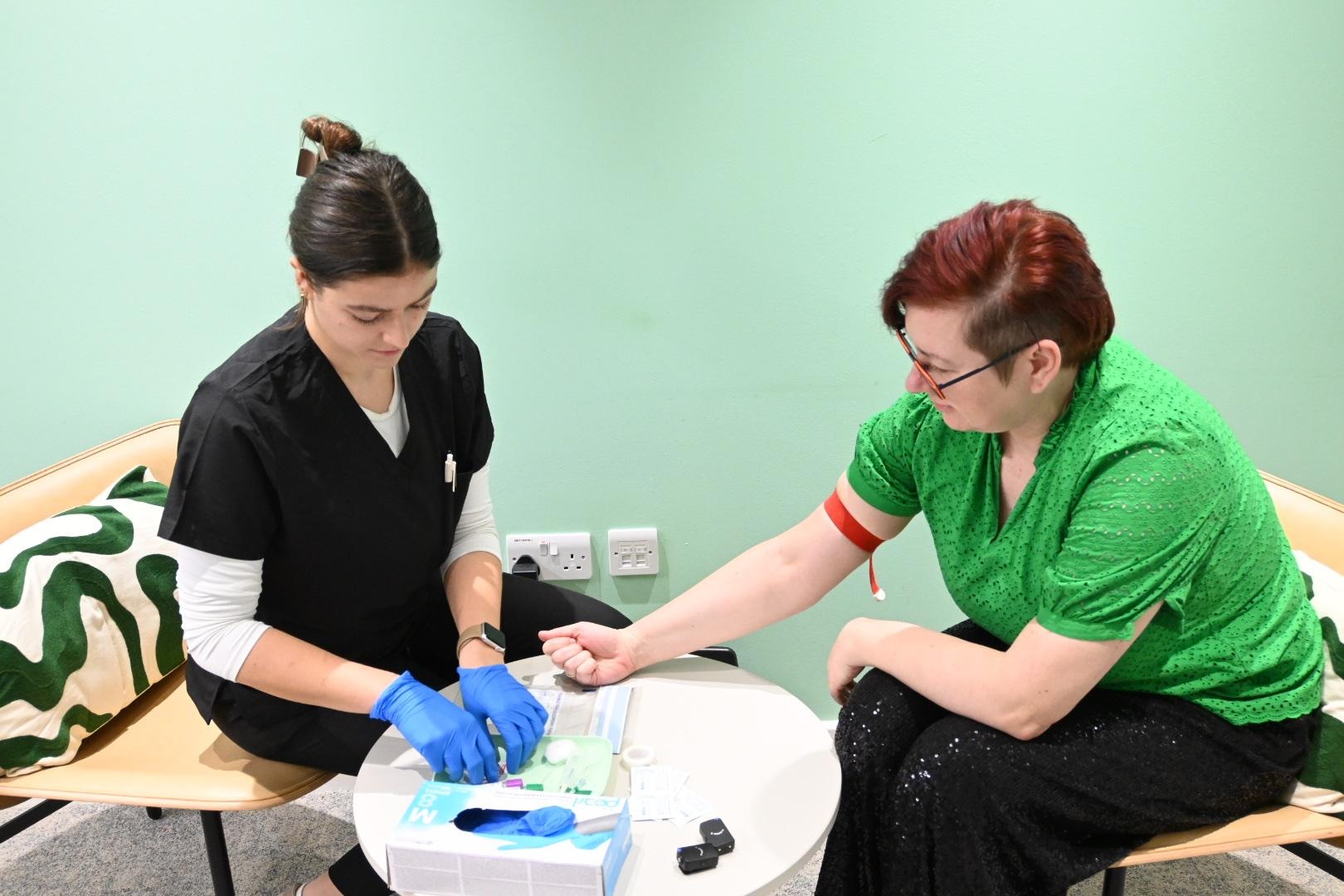
mOI helped me have a different conversation with my GP
Combined genetic and blood markers test done with mOI helped my GP consider immune condition more seriously and I have been invited for some more targeted testing recently. Maybe we will finally identify what is happening with me!
I was finally able to have a conversation with my GP that is supported by solid, comprehensive evidence they were not able to obtain before. The correlation of blood biomarkers with genetic predisposition data is very empowering. It is so great to reach an "aha!" moment after years of wondering what all the strange and intermittent symptoms could actually mean.
What I would say to someone else looking for answers
Investing in understanding your health is so important. Now that cutting-edge science is available at your fingertips to support your personal journey towards a diagnosis with robust data - why not take full advantage of it today?

When you’ve broken out in eczema, it makes you want to hide away.
Dave works with mOI. This is his personal experience of living with eczema, asthma and allergies.
NAVIGATING FLARES
Dave has lived with chronic eczema, asthma and allergies for as long as he can remember. His diagnosis came early. Finding a way to live with it has been the harder part.

I’ve lived with this my entire life
I am 40 years old, and I’ve suffered with eczema, asthma and allergies my entire life. From being wrapped in bandages as a child so I would stop scratching myself in the night, to going to a job interview in London with an outbreak all over my face. One of the interviewers thought I was an alcoholic and I almost didn’t get the job.
The diagnosis was easy. The treatment hasn’t been
My diagnosis was very easy and was done when I was a baby, to be fair, but the journey of treatment has been a lifelong struggle. I have tried probably all the creams and lotions, bath products etc on the market, and they only work for a short time, some make it worse and others don’t work at all. I’ve been on elimination diets, I’ve literally tried everything.
GP’s most of the time, I find don’t really know what to do and now they refuse steroid creams on a repeat prescription without any clear path to replace them.
I’ve been to private dermatologists, I’ve been an outpatient of Durham University hospital over the years to varying degrees of success.
The hardest part is confidence
Confidence. When you’ve broken out in eczema all over your face, neck, hands and arms, you just can’t help but think people are looking at you. It makes you want to hide away.
Then there’s the itch. That insatiable tickle on your skin that with all the willpower in the world cannot be left unscratched. Which leads to the bleeding, the soreness and the ugly red blotches on your skin.
I’ve learned to manage the flare-ups, physically and mentally
Restricting diet and cutting out all artificial soaps. Never putting anything on my skin without testing it first.
But mentally, just knowing that everything is impermanent, flare ups will come and go, managing my own expectations.

I wish doctors understood that it is life altering
Eczema isn’t the same as a life threatening disease. I get that. I’ve lived a full and mostly happy life with it, even though it effects me daily.
What I wish is that although not life threatening, it’s definitely life altering and when you’re suffering, it can be really bad. I would love more empathy and understanding from doctors when it comes to treatment.
And for the love of god, don’t tell me just not to itch.
People see past the things that you can’t
I would say that there is no silver bullets and what works for one person doesn’t work for everyone.
On a positive, emotional side, I would say that people see past the things that you can’t. The people around you don’t see the flare ups the same way you catastrophise about them in your mind.
Understand your patterns →

The hardest part wasn’t getting the diagnosis. It was what comes after that.
FEELING STABLE
Amalia was diagnosed with juvenile idiopathic arthritis when she was two and a half. She has lived with the condition for almost her entire life - but hasn’t had a flare-up for the last eight years.

It started with a swollen knee
I was diagnosed with juvenile idiopathic arthritis when I was two and a half.
I remember just falling over one day and that was it, quite simple. I ended up having a really swollen knee. It was really painful and I couldn’t walk.
My symptoms continued this way for the following month. I was admitted to the nearest children’s hospital and I stayed, from what my mum said, for around 20 days.
The hardest part wasn’t getting the diagnosis
The hardest part of my journey wasn’t to get the diagnosis. It was what comes after that.
I had to start treatment and basically the treatment was steroids. I was taking cortisone for a couple of years, on and off, and when this way of treatment didn’t work for me I had to undergo a joint aspiration in the OR because I was way too young to cooperate with the doctors.
The symptoms I had were swelling, increased temperature in the joints, reduced mobility. Sometimes it was really hard for me to walk.
I’d say morning stiffness as well, because I remember trying to move myself out of bed in the morning and it was really hard sometimes.

My childhood wasn’t a carefree memory
My childhood wasn’t a carefree memory. I had to be mature, I had to be responsible and I had to take care of myself.
But here I am now.
I haven’t had a joint aspiration since I was 14 and I haven’t had a flare-up the last eight years.
There is nothing you cannot do
Looking back, what I’ve learned is there is nothing you cannot do. You just need to adjust your life based on your needs.
And another thing was all about your attitude. If you have an attitude where you want the others to feel sorry about you, or if you want to feel sorry about yourself, this is going to happen. You’re going to project that to the others and it’s going to come back to you.
It’s your life. There will be better days one day.
Why I’m a mOI member
Instagram: @amalia_fotopoulou
Having lived with juvenile idiopathic arthritis since childhood, Amalia understands the value of keeping sight of her health over time, even when things are going well. She joined mOI to help her stay connected to her immune health and keep track of what matters as her life and health change.
For Amalia, mOI offers a way to keep sight of her health history, results and changes over time, even while she is feeling well.

When I say I can’t do it anymore, I’m actually at my limit.
Navigating Flares • mOI member

I have been living with inflammatory bowel disease for around two years. My diagnosis is now undetermined IBD. I have had a total colectomy and live with an ileostomy, and I still fight flares and receive treatment.
My journey started with my twin brother
My journey started with my twin brother Joe, who was rushed to hospital with suspected food poisoning. Four weeks later, his bowel had been entirely removed and he was diagnosed with ulcerative colitis, something he had never heard of. He was given hours to live, and that ileostomy surgery saved his life.
The day my brother got home from hospital, I started bleeding from my rectum. I panicked and thought that if I forgot about it, it would go away. I couldn’t put my family through the fear and trauma of having this happen to me too.
Six months later, I collapsed from blood loss and was admitted to hospital for the first time, where I was also diagnosed with ulcerative colitis.
Eventually, my body gave up
After a year of treatment and living in hospitals, my body gave up. I went into sepsis and developed toxic megacolon, which ultimately resulted in my entire large bowel being removed and me getting an ileostomy.
I officially twin with my twin!
Because my bowel was so damaged, unfortunately we were not able to identify my specific IBD. My diagnosis changed from ulcerative colitis to undetermined IBD. I still fight flares and get treatment now.
I was lucky to be believed
I was lucky in my diagnosis. As I had such a strong family history of the disease through my twin brother, the doctors believed me and fought for my diagnosis straight away, which I know isn’t the case for most people.
The hardest part was the embarrassment
The initial embarrassment was the hardest part. Soiling myself on a night out. Bleeding through my clothes. Not being able to talk to friends or colleagues about it.

Being open changed things for me
Social media. Being open. Being able to create confidence and having that confidence to know when it’s time to get help. Those things have made the biggest difference to how I manage my health.
How mOI helps me
I always struggle seeing new doctors. The first question is always, “Are you on steroids?” I say yes, and they ask which ones I’ve tried, and I never knew. mOI lets me log exact medications and timelines, which has made my doctors’ lives a lot easier and made treatment quicker.
What I wish doctors understood
That I am strong. I can handle pain. I’ve hidden pain for years. So when I say I can’t do it anymore, I’m actually at my limit.
What I would say to someone going through the same thing
You are your best advocate.
Instagram: @alex.lyonss • TikTok: @alex.lyonss
For Alex, mOI keeps medication history, treatment timelines and other health information in one place, so she can share a clearer record when she sees a new doctor.

The symptoms are invisible, so people think you look alright and therefore you are alright.

Exploring Symptoms
I want to understand myself more deeply
I was diagnosed with hypermobility/EDS in my teenage years and have experienced burnout and suffered from chronic pain for a number of years. My emotional health played a huge role in the severity of symptoms.
Personally I am seeking a better understanding how different aspects of my biology, e.g. gut health and genetics affect my health, physically and psychologically. I am here due to my chronic pain and EDS, plus perimenopause. My physical health plays a part and I am curious to understand myself more deeply.
The symptoms are invisible
The symptoms are invisible and so people think you look alright and so you are alright. My symptoms are very closely linked to my emotional state and GPs and other health care professionals most often lack an understanding of the link between physical and mental health.
I have avoided GPs as they would prescribe painkillers and not much more. I have completed 'Rolfing', a somatic therapy that has helped me a lot. Psychotherapy, which again has helped me immensely. These approaches and lifestyle changes have improved my life, but there might be more.

What has made the biggest difference
Identifying my own stressors, especially my internal ones, and learning emotional regulation, besides helping my body with the right diet, exercise and healthy social connections. Identifying unhealthy relationships and severing those.
I want to be listened to
I wish doctors understood that not every physical symptom has a physical source, physical and mental pain is real and painkillers, 'a plaster', are not the solution. Patients want to understand, not just be told, and I want to be listened to.
Never give up hope. It is hard, but stay curious and ask for support.
My perspective as a psychologist and coach
I am a psychologist and coach, focusing on supporting individuals facing challenges in health, life and business. My work focuses on how we can build the internal resources, or human capacity, to face challenges and demands. Chronic demands and stressors can lead to chronic stress and make us more vulnerable.
For people with autoimmune or inflammatory conditions, some of the biggest challenges I see are being listened to, being seen and being believed. There is also the challenge of making sense of medical data and understanding what they can do to prevent flare ups.
The system often lacks time to listen, struggles to connect data from different specialisms and does not always empower patients. It looks at averages, while many patients fall outside the average.

Why mOI is relevant to me
It is too early for me to say that mOI has made a difference to my health. What interests me is its potential to become a bridge between patients, health professionals and clinicians, and to create a more informed and personalised approach.
Between appointments, I want to understand the events that could be part of a flare up, mood changes, positive and negative, when symptoms reduced or increased, and what happened in the person's life. Better continuous monitoring and patient-generated data could help create a personalised approach for each client, with a safe environment and comprehensive data that takes different aspects of their health into account.
To me, better care means a deep understanding of the biology and psychology of a person and a more holistic approach to treatment: treating symptoms, but also trying to find the source.
mOI brings symptoms, health data and personal context together over time, helping people build a clearer picture of their health and share it with the professionals supporting them.
Start making sense of your health →
Disclosure: Katja works with mOI as a coach. This story reflects her personal experience and professional perspective.
From the team.
Autoimmune symptoms rarely show up in just one place, that is exactly why one test is never enough!
Here’s how mOI actually works, in 30 seconds
How insights improve the more you use the app
Autoimmune symptoms rarely show up in just one place, that is exactly why one test is never enough!
Here’s how mOI actually works, in 30 seconds
How insights improve the more you use the app
What’s on.
%20(1).png)
Open Coffee Cambridge
On 31 July, our co-founder and COO Daniel Rooke joined Jeremy Leong of CAMentrepreneurs for a fireside chat at Open Coffee Cambridge. The morning was run by CAMentrepreneurs and Innovate Cambridge, and more than 130 founders, researchers, investors and curious people signed up to join us over coffee.
.jpg)
Dan has built companies as a lawyer, an operator, an investor and now a founder again
Dan started his career as a senior lawyer before moving into industry. He then co-founded Start Codon, Cambridge’s early-stage life sciences fund and venture builder, with Jason Mellad, and mentors founders at Cambridge Judge Business School. With OtoImmune, he has stepped back into founder mode to build something for people living with immune conditions.
Dan shared three lessons from going from step 0 to step 1
- Starting again means being a beginner again. Advising founders from the investor side is very different from doing the work yourself with a small team and limited resources. Asking for help early is part of the job.
- Start with the people who have the problem. Before building anything, spend time with the people you want to help. For OtoImmune, that meant listening to people living with autoimmune conditions about what their care is really like.
- Hold the mission steady and let the evidence shape the route. Watch what people actually do as well as what they say, and be willing to change how you get there when the evidence points somewhere new.
The questions from the room were thoughtful and generous, and the conversation carried on well into the networking afterwards.
.jpg)
Open Coffee brings the Cambridge start-up community together
Open Coffee Cambridge is an informal networking morning for entrepreneurs, students and anyone in the start-up community, bringing together the CAMentrepreneurs network and members of Innovate Cambridge’s Glasshouse. CAMentrepreneurs is a University of Cambridge alumni group that supports business and social entrepreneurship, with more than 25 chapters around the world. Innovate Cambridge leads a shared innovation roadmap for the city, backed by more than 200 partner organisations.
Thank you to our hosts and to everyone who came
Thank you to Jeremy Leong for such a warm and honest conversation, to Tasneem Khatib and the CAMentrepreneurs Cambridge team, to Innovate Cambridge, and to everyone who got up early to join us. If you would like to follow what we are building for people with immune conditions, join mOI.

mOI launch
On 14 May 2026 we opened the doors on mOI Health with a launch party at the Glasshouse, run by Innovate Cambridge. The room was full of people living with immune conditions, clinicians, scientists, investors and the friends and family who have supported us from the start.

mOI brings your immune health information together in one place
mOI stands for My OtoImmune, and it is pronounced like the French word "moi". Òtò is the Yoruba word for "unique", because no two immune systems, or the journeys of the people living with them, are the same.
The mOI Health app helps people keep track of their symptoms, medications, appointments and test results in one place, so they can see patterns over time and walk into their next appointment with a clear record. Our tagline sums it up: Note it. Know it. Show it.

The whole team spoke about the part of mOI they are building
Every member of the team took a turn to speak. Our CEO and co-founder Jason Mellad opened with the reason we started OtoImmune: people with immune conditions often wait years for answers, and spend much of that time trying to be taken seriously. Our co-founder and COO Dan Rooke followed, talking about how mOI has been shaped by the people it is built for. The rest of the team then each shared the part of mOI they work on, from the science and clinical thinking behind it to the app itself and the community we are building. Along the way, guests saw how members can log symptoms and medications, connect their wearables and share a clear summary with the people who care for them.
The best part came afterwards, as people stayed on to talk. Several guests shared their own long road to a diagnosis, and hearing those stories in person reminded everyone in the room why we are building mOI.
Thank you to everyone who has joined us since launch
Thank you to Innovate Cambridge for hosting us at the Glasshouse and for everything they do to support founders in Cambridge. Thank you also to everyone who came to celebrate with us, and to everyone who has shared feedback since. Every conversation is helping us make mOI more useful for the people it is built for. If you would like to be part of it, join mOI.

Hope Journey talk and walk
On a bright Saturday morning, people living with joint, back and muscle pain came together at the Cambridge Science Centre for a free talk, tea and cake, and a walk in good company. The room filled up quickly, and it was lovely to see people who had come on their own find someone to chat to before the talk began. We held the morning as part of the Autoimmune Association’s Hope Journey Walk, which took place on the same day in Washington, D.C. and in local communities around the world.

Dr Anshuman Malaviya explained why persistent pain deserves a proper look
Our guest was Dr Anshuman Malaviya, Consultant Rheumatologist at Addenbrooke’s Hospital. His talk, "Musculoskeletal pain: is it all in my head?", took on a question many people in the room had been asked more than once. Three points stayed with us:
- Some signs point towards inflammation. Joint stiffness that lasts more than half an hour in the morning, swelling, and pain that eases as you get moving are all worth raising with your GP.
- A normal blood test does not always settle the question. Inflammatory conditions can take time to show up, so the pattern of symptoms over months often tells a doctor more than a single appointment or test result. Keeping a simple record really helps.
- All pain is real. The nervous system shapes how everyone feels pain, and pain without inflammation behind it still deserves care. There are treatments that help, whatever the cause.
The questions went on well past the scheduled time, and we are very grateful to Dr Malaviya for answering so many of them with such patience and care. Dr Malaviya gave his time voluntarily: he was not paid for the talk and has no financial relationship with mOI or OtoImmune.

The walk set off at 11:30 and everyone went at their own pace
After the talk, the group headed out on a walk around the Cambridge Science Park. Some people walked the whole way, some did part of it, and some stayed behind to keep talking.
The Autoimmune Association runs the Hope Journey Walk to raise awareness and funds
The Autoimmune Association is a nonprofit dedicated to autoimmune disease advocacy, awareness, education and research. Its first Hope Journey Walk, in October 2025, brought together 227 walkers and raised $95,000. This year’s walk was the second, and its "Walk Anywhere" option let people join from their own neighbourhoods and local parks. The money raised goes towards research, advocacy and patient support.
There are over 100 known autoimmune diseases, and the Association’s figures show that it takes an average of 4.5 years and visits to four different doctors to get an accurate diagnosis. Find out more, or donate, at autoimmune.org.
Thank you to everyone who came
Thank you to Dr Malaviya, to the Cambridge Science Centre for hosting us and making us feel so welcome, to the Autoimmune Association, and to everyone who gave up their Saturday morning to be there. Many of you told us how good it was to be in a room full of people who understood. We felt the same. We’ll be holding more talks and walks soon. If you would like a simple way to keep track of your symptoms and bring a clear record to your next appointment, join mOI.
Open Coffee Cambridge
On 31 July, our co-founder and COO Daniel Rooke joined Jeremy Leong of CAMentrepreneurs for a fireside chat at Open Coffee Cambridge. The morning was run by CAMentrepreneurs and Innovate Cambridge, and more than 130 founders, researchers, investors and curious people signed up to join us over coffee.
Dan has built companies as a lawyer, an operator, an investor and now a founder again
Dan started his career as a senior lawyer before moving into industry. He then co-founded Start Codon, Cambridge’s early-stage life sciences fund and venture builder, with Jason Mellad, and mentors founders at Cambridge Judge Business School. With OtoImmune, he has stepped back into founder mode to build something for people living with immune conditions.
Dan shared three lessons from going from step 0 to step 1
- Starting again means being a beginner again. Advising founders from the investor side is very different from doing the work yourself with a small team and limited resources. Asking for help early is part of the job.
- Start with the people who have the problem. Before building anything, spend time with the people you want to help. For OtoImmune, that meant listening to people living with autoimmune conditions about what their care is really like.
- Hold the mission steady and let the evidence shape the route. Watch what people actually do as well as what they say, and be willing to change how you get there when the evidence points somewhere new.
The questions from the room were thoughtful and generous, and the conversation carried on well into the networking afterwards.
Open Coffee brings the Cambridge start-up community together
Open Coffee Cambridge is an informal networking morning for entrepreneurs, students and anyone in the start-up community, bringing together the CAMentrepreneurs network and members of Innovate Cambridge’s Glasshouse. CAMentrepreneurs is a University of Cambridge alumni group that supports business and social entrepreneurship, with more than 25 chapters around the world. Innovate Cambridge leads a shared innovation roadmap for the city, backed by more than 200 partner organisations.
Thank you to our hosts and to everyone who came
Thank you to Jeremy Leong for such a warm and honest conversation, to Tasneem Khatib and the CAMentrepreneurs Cambridge team, to Innovate Cambridge, and to everyone who got up early to join us. If you would like to follow what we are building for people with immune conditions, join mOI.
mOI launch
On 14 May 2026 we opened the doors on mOI Health with a launch party at the Glasshouse, run by Innovate Cambridge. The room was full of people living with immune conditions, clinicians, scientists, investors and the friends and family who have supported us from the start.
mOI brings your immune health information together in one place
mOI stands for My OtoImmune, and it is pronounced like the French word "moi". Òtò is the Yoruba word for "unique", because no two immune systems, or the journeys of the people living with them, are the same.
The mOI Health app helps people keep track of their symptoms, medications, appointments and test results in one place, so they can see patterns over time and walk into their next appointment with a clear record. Our tagline sums it up: Note it. Know it. Show it.
The whole team spoke about the part of mOI they are building
Every member of the team took a turn to speak. Our CEO and co-founder Jason Mellad opened with the reason we started OtoImmune: people with immune conditions often wait years for answers, and spend much of that time trying to be taken seriously. Our co-founder and COO Dan Rooke followed, talking about how mOI has been shaped by the people it is built for. The rest of the team then each shared the part of mOI they work on, from the science and clinical thinking behind it to the app itself and the community we are building. Along the way, guests saw how members can log symptoms and medications, connect their wearables and share a clear summary with the people who care for them.
The best part came afterwards, as people stayed on to talk. Several guests shared their own long road to a diagnosis, and hearing those stories in person reminded everyone in the room why we are building mOI.
Thank you to everyone who has joined us since launch
Thank you to Innovate Cambridge for hosting us at the Glasshouse and for everything they do to support founders in Cambridge. Thank you also to everyone who came to celebrate with us, and to everyone who has shared feedback since. Every conversation is helping us make mOI more useful for the people it is built for. If you would like to be part of it, join mOI.
Hope Journey talk and walk
On a bright Saturday morning, people living with joint, back and muscle pain came together at the Cambridge Science Centre for a free talk, tea and cake, and a walk in good company. The room filled up quickly, and it was lovely to see people who had come on their own find someone to chat to before the talk began. We held the morning as part of the Autoimmune Association’s Hope Journey Walk, which took place on the same day in Washington, D.C. and in local communities around the world.
Dr Anshuman Malaviya explained why persistent pain deserves a proper look
Our guest was Dr Anshuman Malaviya, Consultant Rheumatologist at Addenbrooke’s Hospital. His talk, "Musculoskeletal pain: is it all in my head?", took on a question many people in the room had been asked more than once. Three points stayed with us:
- Some signs point towards inflammation. Joint stiffness that lasts more than half an hour in the morning, swelling, and pain that eases as you get moving are all worth raising with your GP.
- A normal blood test does not always settle the question. Inflammatory conditions can take time to show up, so the pattern of symptoms over months often tells a doctor more than a single appointment or test result. Keeping a simple record really helps.
- All pain is real. The nervous system shapes how everyone feels pain, and pain without inflammation behind it still deserves care. There are treatments that help, whatever the cause.
The questions went on well past the scheduled time, and we are very grateful to Dr Malaviya for answering so many of them with such patience and care. Dr Malaviya gave his time voluntarily: he was not paid for the talk and has no financial relationship with mOI or OtoImmune.
The walk set off at 11:30 and everyone went at their own pace
After the talk, the group headed out on a walk around the Cambridge Science Park. Some people walked the whole way, some did part of it, and some stayed behind to keep talking.
The Autoimmune Association runs the Hope Journey Walk to raise awareness and funds
The Autoimmune Association is a nonprofit dedicated to autoimmune disease advocacy, awareness, education and research. Its first Hope Journey Walk, in October 2025, brought together 227 walkers and raised $95,000. This year’s walk was the second, and its "Walk Anywhere" option let people join from their own neighbourhoods and local parks. The money raised goes towards research, advocacy and patient support.
There are over 100 known autoimmune diseases, and the Association’s figures show that it takes an average of 4.5 years and visits to four different doctors to get an accurate diagnosis. Find out more, or donate, at autoimmune.org.
Thank you to everyone who came
Thank you to Dr Malaviya, to the Cambridge Science Centre for hosting us and making us feel so welcome, to the Autoimmune Association, and to everyone who gave up their Saturday morning to be there. Many of you told us how good it was to be in a room full of people who understood. We felt the same. We’ll be holding more talks and walks soon. If you would like a simple way to keep track of your symptoms and bring a clear record to your next appointment, join mOI.
Worth reading.

"Never in a million years did I think my kidneys were to blame," he said.
You’re exhausted. You’re getting cramps. You’re short of breath.
But life is busy, so you keep going.
That was the reality for Nick Angell, a father of three who initially thought his symptoms were simply tiredness or part of getting older. Then, after nearly collapsing at work, he discovered something much more serious was happening. He was diagnosed with IgA nephropathy, an autoimmune kidney disease.
His story highlights something we think about deeply at mOI Health: how difficult it can be to see the bigger picture when you’re experiencing symptoms one day at a time.
A symptom starts. Another appears weeks later. Something changes. You adapt. Months later, you’re sitting in an appointment trying to remember exactly what happened, when it started, how often it happened and whether anything else changed at the same time.
Your health story becomes scattered across memories, notes, appointments and different systems.
This is one of the reasons we’re building mOI.
mOI gives people living with complex and autoimmune health conditions a place to bring their health journey together:
- from symptoms and medications to treatments
- diagnoses and appointments, helping build a clearer picture of what’s happening over time.
Not to diagnose what a symptom means, but to help you document your experience, notice changes and have more informed conversations about your health.
Because sometimes the bigger picture isn’t found in one symptom.
It’s in how the pieces connect.
#mOIHealth #AutoimmuneDisease #AutoimmuneAwareness #PatientEmpowerment #ChronicIllness #KidneyHealth #HealthTracking

Long COVID’s brain fog finally has a biological explanation: Dopamine loss
For many people living with Long COVID, “brain fog” isn’t just forgetfulness.
It can mean struggling to concentrate, losing your train of thought, memory difficulties, slowed thinking, fatigue and a loss of motivation that can affect everyday life.
Now, new research is helping us understand what may be happening beneath those symptoms.
A recent brain-imaging study found significantly lower levels of VMAT2, a marker associated with dopamine-releasing nerve terminals, in people with Long COVID and persistent neuropsychiatric symptoms. Researchers observed reductions of around 16–20% across areas of the striatum involved in movement, motivation and cognition. Importantly, these changes were also associated with symptoms including apathy, slower movement and memory decline.
The study was small, involving 24 people with Long COVID and 24 age-matched controls, so further research is needed. But findings like these matter.
Because when someone says, “I don’t feel like myself anymore,” there may be complex biological changes behind what they are experiencing.
At mOI Health, this is part of why we believe your health story matters.
Symptoms can change over time. They can overlap. Test results don’t always immediately explain how someone feels. Keeping track of symptoms, patterns, treatments and changes can help create a clearer picture of the journey rather than looking at each moment in isolation.
The more we understand about conditions like Long COVID, the clearer one thing becomes: listening to patients and understanding the full picture of their health matters.
#LongCOVID #BrainFog #ChronicIllness #PatientExperience #DigitalHealth #mOIHealth

I had 11 years of chemotherapy for a cancer I didn’t have
Imagine spending 11 years being treated for a condition you never had.
Becky Jones was just 21 when she was told she had a terminal brain tumour and only months to live.
For the next 11 years, chemotherapy became part of her life.
Then she learned she had never had brain cancer.
According to the BBC, what had been identified as cancer was actually inflammation of the brain, and Becky is now one of more than 40 patients taking legal action over prolonged or unnecessary cancer treatment.
Her story is an extreme and deeply difficult example, but it raises a much wider question:
How do we make sure we’re seeing the whole health picture?
A diagnosis can shape years of someone’s life. But health is rarely just one appointment, one scan, one symptom or one result.
Symptoms evolve. New information emerges. Treatments change. And sometimes, the pieces of the story need to be looked at again.
At mOI, we believe people should be able to see and understand their health journey over time, bringing symptoms, medications, diagnoses, appointments, test results and changes together in one place.
Not to replace clinical expertise, but to help people have a clearer record of their own health story and more informed conversations with the professionals supporting them.
💡 Because asking questions matters.
💡 Keeping track matters.
💡 And your health story deserves to be seen as a whole.
"Never in a million years did I think my kidneys were to blame," he said.
You’re exhausted. You’re getting cramps. You’re short of breath.
But life is busy, so you keep going.
That was the reality for Nick Angell, a father of three who initially thought his symptoms were simply tiredness or part of getting older. Then, after nearly collapsing at work, he discovered something much more serious was happening. He was diagnosed with IgA nephropathy, an autoimmune kidney disease.
His story highlights something we think about deeply at mOI Health: how difficult it can be to see the bigger picture when you’re experiencing symptoms one day at a time.
A symptom starts. Another appears weeks later. Something changes. You adapt. Months later, you’re sitting in an appointment trying to remember exactly what happened, when it started, how often it happened and whether anything else changed at the same time.
Your health story becomes scattered across memories, notes, appointments and different systems.
This is one of the reasons we’re building mOI.
mOI gives people living with complex and autoimmune health conditions a place to bring their health journey together:
- from symptoms and medications to treatments
- diagnoses and appointments, helping build a clearer picture of what’s happening over time.
Not to diagnose what a symptom means, but to help you document your experience, notice changes and have more informed conversations about your health.
Because sometimes the bigger picture isn’t found in one symptom.
It’s in how the pieces connect.
#mOIHealth #AutoimmuneDisease #AutoimmuneAwareness #PatientEmpowerment #ChronicIllness #KidneyHealth #HealthTracking
Long COVID’s brain fog finally has a biological explanation: Dopamine loss
For many people living with Long COVID, “brain fog” isn’t just forgetfulness.
It can mean struggling to concentrate, losing your train of thought, memory difficulties, slowed thinking, fatigue and a loss of motivation that can affect everyday life.
Now, new research is helping us understand what may be happening beneath those symptoms.
A recent brain-imaging study found significantly lower levels of VMAT2, a marker associated with dopamine-releasing nerve terminals, in people with Long COVID and persistent neuropsychiatric symptoms. Researchers observed reductions of around 16–20% across areas of the striatum involved in movement, motivation and cognition. Importantly, these changes were also associated with symptoms including apathy, slower movement and memory decline.
The study was small, involving 24 people with Long COVID and 24 age-matched controls, so further research is needed. But findings like these matter.
Because when someone says, “I don’t feel like myself anymore,” there may be complex biological changes behind what they are experiencing.
At mOI Health, this is part of why we believe your health story matters.
Symptoms can change over time. They can overlap. Test results don’t always immediately explain how someone feels. Keeping track of symptoms, patterns, treatments and changes can help create a clearer picture of the journey rather than looking at each moment in isolation.
The more we understand about conditions like Long COVID, the clearer one thing becomes: listening to patients and understanding the full picture of their health matters.
#LongCOVID #BrainFog #ChronicIllness #PatientExperience #DigitalHealth #mOIHealth
I had 11 years of chemotherapy for a cancer I didn’t have
Imagine spending 11 years being treated for a condition you never had.
Becky Jones was just 21 when she was told she had a terminal brain tumour and only months to live.
For the next 11 years, chemotherapy became part of her life.
Then she learned she had never had brain cancer.
According to the BBC, what had been identified as cancer was actually inflammation of the brain, and Becky is now one of more than 40 patients taking legal action over prolonged or unnecessary cancer treatment.
Her story is an extreme and deeply difficult example, but it raises a much wider question:
How do we make sure we’re seeing the whole health picture?
A diagnosis can shape years of someone’s life. But health is rarely just one appointment, one scan, one symptom or one result.
Symptoms evolve. New information emerges. Treatments change. And sometimes, the pieces of the story need to be looked at again.
At mOI, we believe people should be able to see and understand their health journey over time, bringing symptoms, medications, diagnoses, appointments, test results and changes together in one place.
Not to replace clinical expertise, but to help people have a clearer record of their own health story and more informed conversations with the professionals supporting them.
💡 Because asking questions matters.
💡 Keeping track matters.
💡 And your health story deserves to be seen as a whole.