
In their own words

Twenty years of arguing, moving from department to department, and never getting answers.
EXPLORING SYMPTOMS
Living with persistent pain, exhaustion and digestive problems, Mel has spent two decades searching for answers. Along the way, her experience of gluten intolerance helped inspire Belle's GF Bakes, a family-run bakery creating gluten-free food for her community.
Mel lives with symptoms every day
I have a malabsorption condition, so I can't digest food properly. This means sickness and upset stomachs all the time. Combined with an autoimmune disease, where my body is continuously under attack, it means I ache all over and have no energy.
Food doesn't fuel me as it should because I can't digest it properly, and my body feels under attack all the time.
Mel has spent twenty years looking for answers
Awful. Twenty years of arguing, moving from department to department, and never getting answers.
For Mel, the hardest parts are simple to name: "The exhaustion and muscle pain."
Going gluten-free and resting have helped Mel manage
Going gluten-free has helped my digestion. I try to rest when I can. Hot baths help, so I bought a hot tub!
Mel turned her own experience into Belle's GF Bakes
Mel's experience of gluten intolerance has also shaped her working life. More than 14 years ago, she began baking cakes with her daughter Charlie, who named their venture Belle's Cakes after her favourite princess. The original business later paused, but Mel's love of baking remained.
After experiencing the limited choice of gluten-free food herself in 2021, and following the loss of her father in 2022, Mel decided to build a bakery where people with dietary restrictions could enjoy treats without feeling left out. Belle's GF Bakes launched in 2023, initially selling from a purple gazebo at local events.
The business has since grown to include a dedicated bakery in Huntingdon and a mobile trailer named Hattie at Serpentine Green. Its range includes celebration cakes, brownies and other sweet treats, as well as gluten-free sausage rolls and Scotch eggs, with selected vegan and dairy-free options. Mel and Paul now run the family business together, and also cater for weddings, private events and corporate occasions.
For Mel, the bakery is a way to turn a difficult personal experience into something positive for others: a place where gluten-free customers have choice, and where good food is something to enjoy rather than miss out on.
Mel wishes doctors understood how hard it is to get moving each day
The daily struggle to actually get up and move!
Mel is new to mOI and has valued talking to the team
I'm new to this, but it's been great talking to the team about my issues.
Discover Belle's GF Bakes: bellesgfbakes.com • Instagram: @belles_gf_bakes • Facebook: Belle's GF Bakes
A note from mOI
Why this matters to mOI
mOI helps people like Mel bring symptoms, results and treatment history together for better conversations with clinicians. It also offers blood and gut-health tests that may help investigate relevant symptoms, alongside appropriate clinical assessment.
Explore mOI Health and start bringing your health story together →
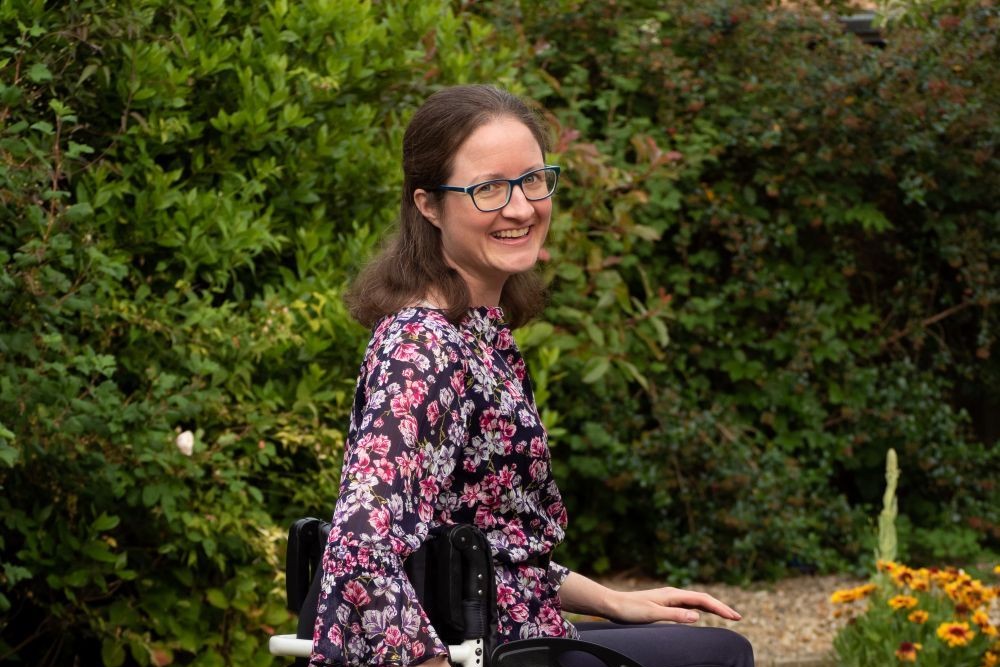
Pacing isn't giving up. It's how I build a life that works for me.
FEELING STABLE
A life of adapting
I've had hypermobility and postural orthostatic tachycardia syndrome (PoTS) all my life. They worsened significantly in my early twenties, bringing severe fatigue, joint instability, brain fog, digestive symptoms and pain. I managed to complete a first-class Bachelor of Science (BSc) degree in Environmental Health and work in the field for several years, but by 28 I was using a wheelchair and had been medically retired.
It took another few years to get the hang of how to exercise and how to pace myself. And to be honest, I'm still learning!
Finding answers took years
As a child I had lots of injuries, fatigue, and felt faint when standing or getting too hot. Even after needing six months off school at ten because of severe hip pain, I was told it was probably "middle child syndrome".
By my mid-twenties, something was clearly very wrong. At 24, I was diagnosed with a hypermobility syndrome, possibly Ehlers-Danlos syndrome (EDS), and about a year later with PoTS. Before that, my symptoms had been labelled psychosomatic, and I had been referred for a possible inpatient psychiatric admission. By the pre-admission assessment, the PoTS diagnosis had been made and the assessing professionals agreed admission wasn't needed.
The hardest part isn't always the symptoms
Adapting to a life that is far smaller than most is hard: taking the rest I need, making decisions based on what I can manage rather than just doing things, and recognising that I have intrinsic worth even when I can't do as much or have to cancel plans because of my health.
One of the biggest misunderstandings is about pacing. It takes far more self-discipline to restrict and plan my activities than to push through, which often only makes my symptoms worse. Society, and some healthcare professionals, can see pacing as "giving up". For me, it has been the single most useful tool in managing my health.
Learning what works for my body
Support from the Hypermobility Syndromes Association, and learning how to pace and exercise in a way that works for me, made an enormous difference. Two lightbulb moments were: "If I can't control an exercise/movement, I need to stop" and "All movement done with control counts as constructive exercise".
I'm now 44 and in another period of change. My body can't cope with what it once could, so I'm downsizing and planning to move into a purpose-built wheelchair-accessible annexe near family. I'm also changing how I run my business to free up more energy for the creative work I love. Sometimes improving life in the long term means going through a particularly demanding transition first.
Turning misunderstandings into communication
I founded Stickman Communications because I kept encountering misunderstandings about my conditions. Through stick-figure cartoons and straightforward explanations, I create resources that help disabled people and healthcare professionals communicate positively about symptoms, needs and different conditions.
My products, blogs and talks have been used around the world. The aim is to make difficult conversations easier and to help people be understood.
What I would tell someone else
It takes time to understand your health conditions, how they affect you and how to help yourself. But stick with it. Understanding how my body works and how to look after it has been incredibly rewarding. I have a happy and fulfilled life, even though it is vastly different from what I expected. Patient groups with a self-management focus can be really useful.
Instagram: @stickmancomms • Facebook: Stickman Communications • LinkedIn: Hannah Ensor
A note from mOI
Why this matters to mOI
mOI was developed to address many of the challenges Hannah describes: symptoms that fluctuate between appointments, important details scattered across years of care, and the effort of explaining complex, often invisible conditions to different professionals. By bringing symptom records, treatments and health results together over time, mOI aims to help people recognise patterns, communicate what matters and arrive at appointments better prepared. It is designed to support self-management and more informed conversations, not replace clinical care or the individual pacing strategies that work for each person.
Find a clearer way to track and communicate your health →

The symptoms are invisible, so people think you look alright and therefore you are alright.
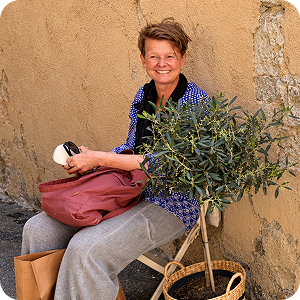
Exploring Symptoms
I want to understand myself more deeply
I was diagnosed with hypermobility/EDS in my teenage years and have experienced burnout and suffered from chronic pain for a number of years. My emotional health played a huge role in the severity of symptoms.
Personally I am seeking a better understanding how different aspects of my biology, e.g. gut health and genetics affect my health, physically and psychologically. I am here due to my chronic pain and EDS, plus perimenopause. My physical health plays a part and I am curious to understand myself more deeply.
The symptoms are invisible
The symptoms are invisible and so people think you look alright and so you are alright. My symptoms are very closely linked to my emotional state and GPs and other health care professionals most often lack an understanding of the link between physical and mental health.
I have avoided GPs as they would prescribe painkillers and not much more. I have completed 'Rolfing', a somatic therapy that has helped me a lot. Psychotherapy, which again has helped me immensely. These approaches and lifestyle changes have improved my life, but there might be more.
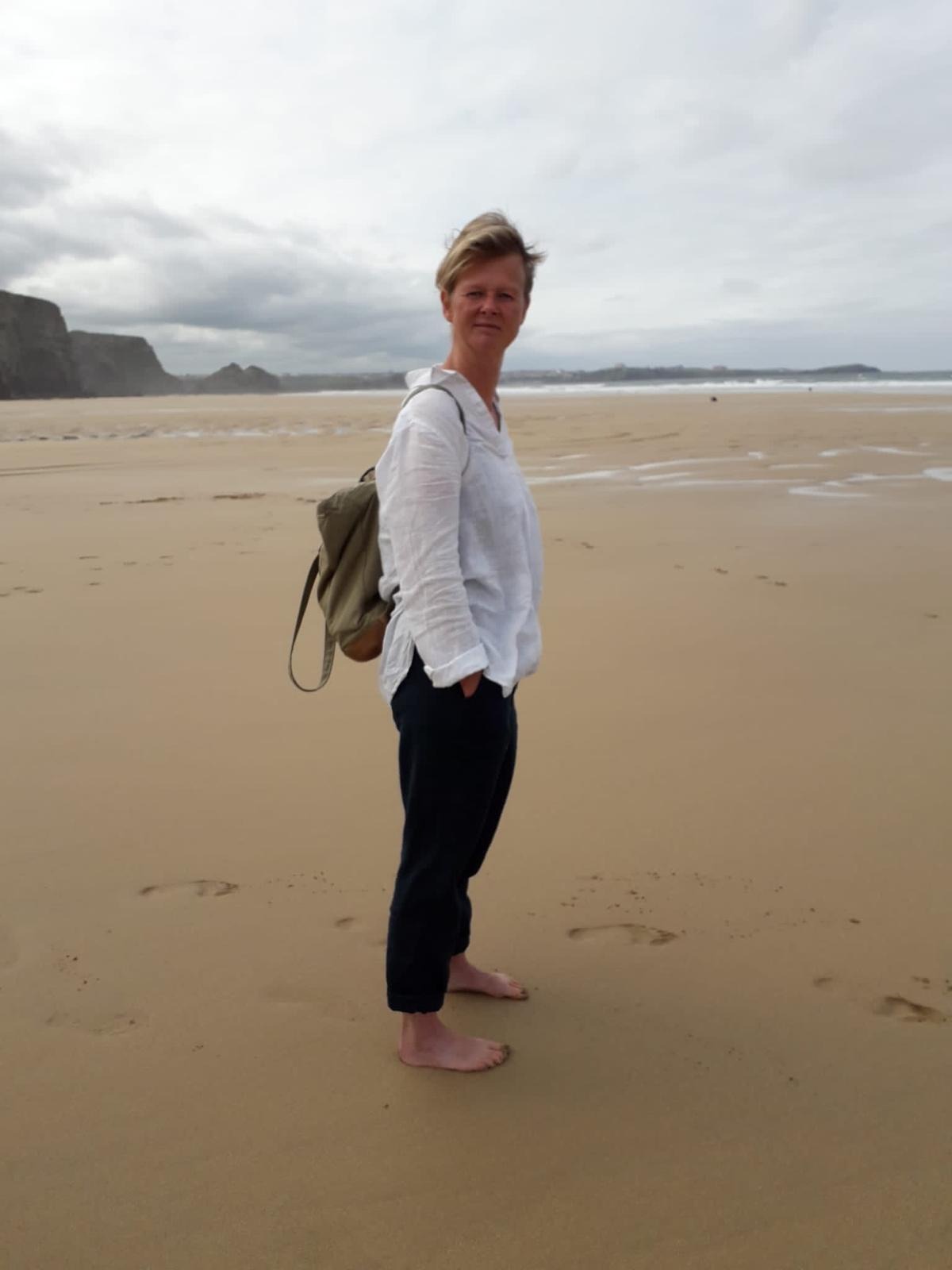
What has made the biggest difference
Identifying my own stressors, especially my internal ones, and learning emotional regulation, besides helping my body with the right diet, exercise and healthy social connections. Identifying unhealthy relationships and severing those.
I want to be listened to
I wish doctors understood that not every physical symptom has a physical source, physical and mental pain is real and painkillers, 'a plaster', are not the solution. Patients want to understand, not just be told, and I want to be listened to.
Never give up hope. It is hard, but stay curious and ask for support.
My perspective as a psychologist and coach
I am a psychologist and coach, focusing on supporting individuals facing challenges in health, life and business. My work focuses on how we can build the internal resources, or human capacity, to face challenges and demands. Chronic demands and stressors can lead to chronic stress and make us more vulnerable.
For people with autoimmune or inflammatory conditions, some of the biggest challenges I see are being listened to, being seen and being believed. There is also the challenge of making sense of medical data and understanding what they can do to prevent flare ups.
The system often lacks time to listen, struggles to connect data from different specialisms and does not always empower patients. It looks at averages, while many patients fall outside the average.
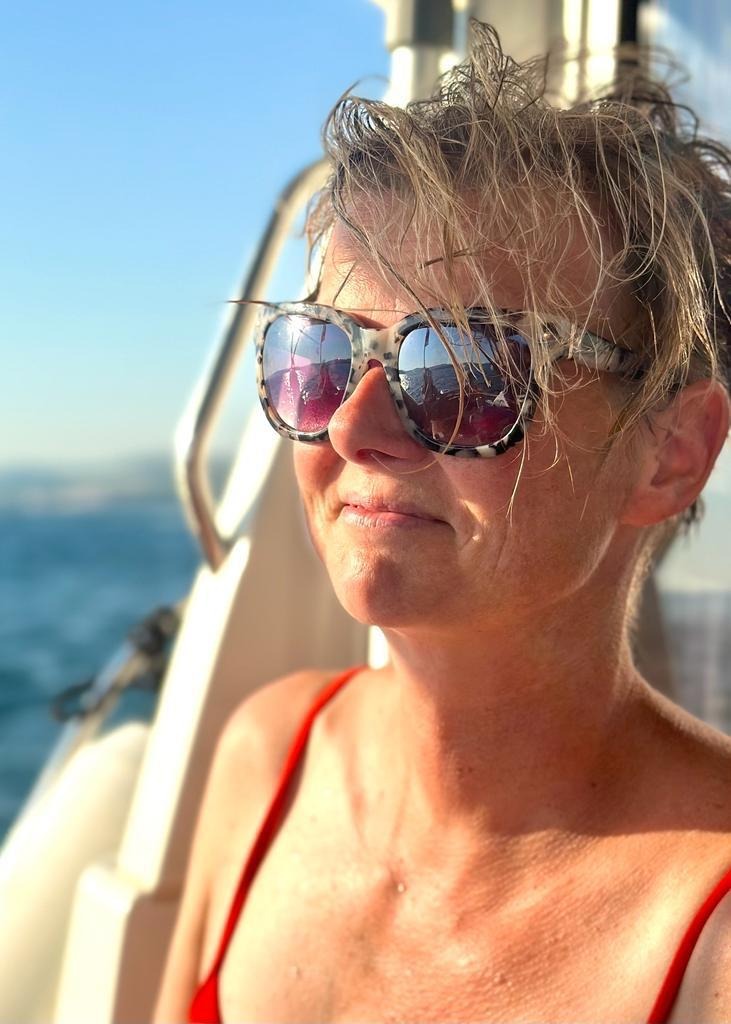
Why mOI is relevant to me
It is too early for me to say that mOI has made a difference to my health. What interests me is its potential to become a bridge between patients, health professionals and clinicians, and to create a more informed and personalised approach.
Between appointments, I want to understand the events that could be part of a flare up, mood changes, positive and negative, when symptoms reduced or increased, and what happened in the person's life. Better continuous monitoring and patient-generated data could help create a personalised approach for each client, with a safe environment and comprehensive data that takes different aspects of their health into account.
To me, better care means a deep understanding of the biology and psychology of a person and a more holistic approach to treatment: treating symptoms, but also trying to find the source.
mOI brings symptoms, health data and personal context together over time, helping people build a clearer picture of their health and share it with the professionals supporting them.
Start making sense of your health →
Disclosure: Katja works with mOI as a coach. This story reflects her personal experience and professional perspective.
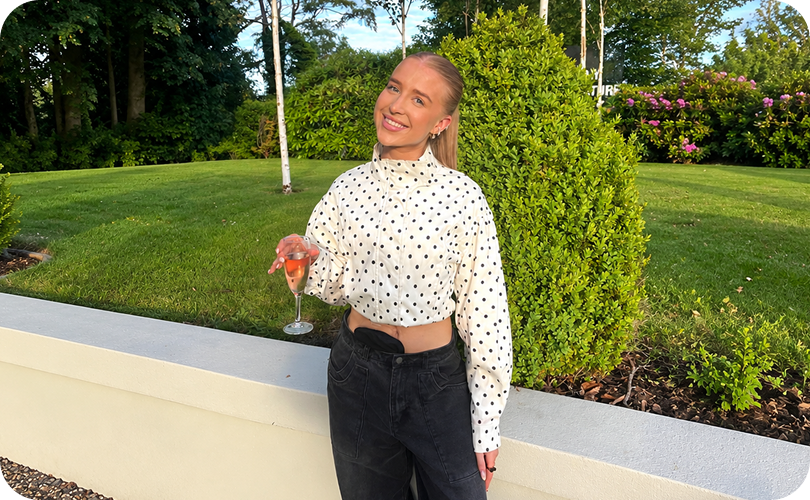
When I say I can’t do it anymore, I’m actually at my limit.
Navigating Flares • mOI member

I have been living with inflammatory bowel disease for around two years. My diagnosis is now undetermined IBD. I have had a total colectomy and live with an ileostomy, and I still fight flares and receive treatment.
My journey started with my twin brother
My journey started with my twin brother Joe, who was rushed to hospital with suspected food poisoning. Four weeks later, his bowel had been entirely removed and he was diagnosed with ulcerative colitis, something he had never heard of. He was given hours to live, and that ileostomy surgery saved his life.
The day my brother got home from hospital, I started bleeding from my rectum. I panicked and thought that if I forgot about it, it would go away. I couldn’t put my family through the fear and trauma of having this happen to me too.
Six months later, I collapsed from blood loss and was admitted to hospital for the first time, where I was also diagnosed with ulcerative colitis.
Eventually, my body gave up
After a year of treatment and living in hospitals, my body gave up. I went into sepsis and developed toxic megacolon, which ultimately resulted in my entire large bowel being removed and me getting an ileostomy.
I officially twin with my twin!
Because my bowel was so damaged, unfortunately we were not able to identify my specific IBD. My diagnosis changed from ulcerative colitis to undetermined IBD. I still fight flares and get treatment now.
I was lucky to be believed
I was lucky in my diagnosis. As I had such a strong family history of the disease through my twin brother, the doctors believed me and fought for my diagnosis straight away, which I know isn’t the case for most people.
The hardest part was the embarrassment
The initial embarrassment was the hardest part. Soiling myself on a night out. Bleeding through my clothes. Not being able to talk to friends or colleagues about it.

Being open changed things for me
Social media. Being open. Being able to create confidence and having that confidence to know when it’s time to get help. Those things have made the biggest difference to how I manage my health.
How mOI helps me
I always struggle seeing new doctors. The first question is always, “Are you on steroids?” I say yes, and they ask which ones I’ve tried, and I never knew. mOI lets me log exact medications and timelines, which has made my doctors’ lives a lot easier and made treatment quicker.
What I wish doctors understood
That I am strong. I can handle pain. I’ve hidden pain for years. So when I say I can’t do it anymore, I’m actually at my limit.
What I would say to someone going through the same thing
You are your best advocate.
Instagram: @alex.lyonss • TikTok: @alex.lyonss
For Alex, mOI keeps medication history, treatment timelines and other health information in one place, so she can share a clearer record when she sees a new doctor.
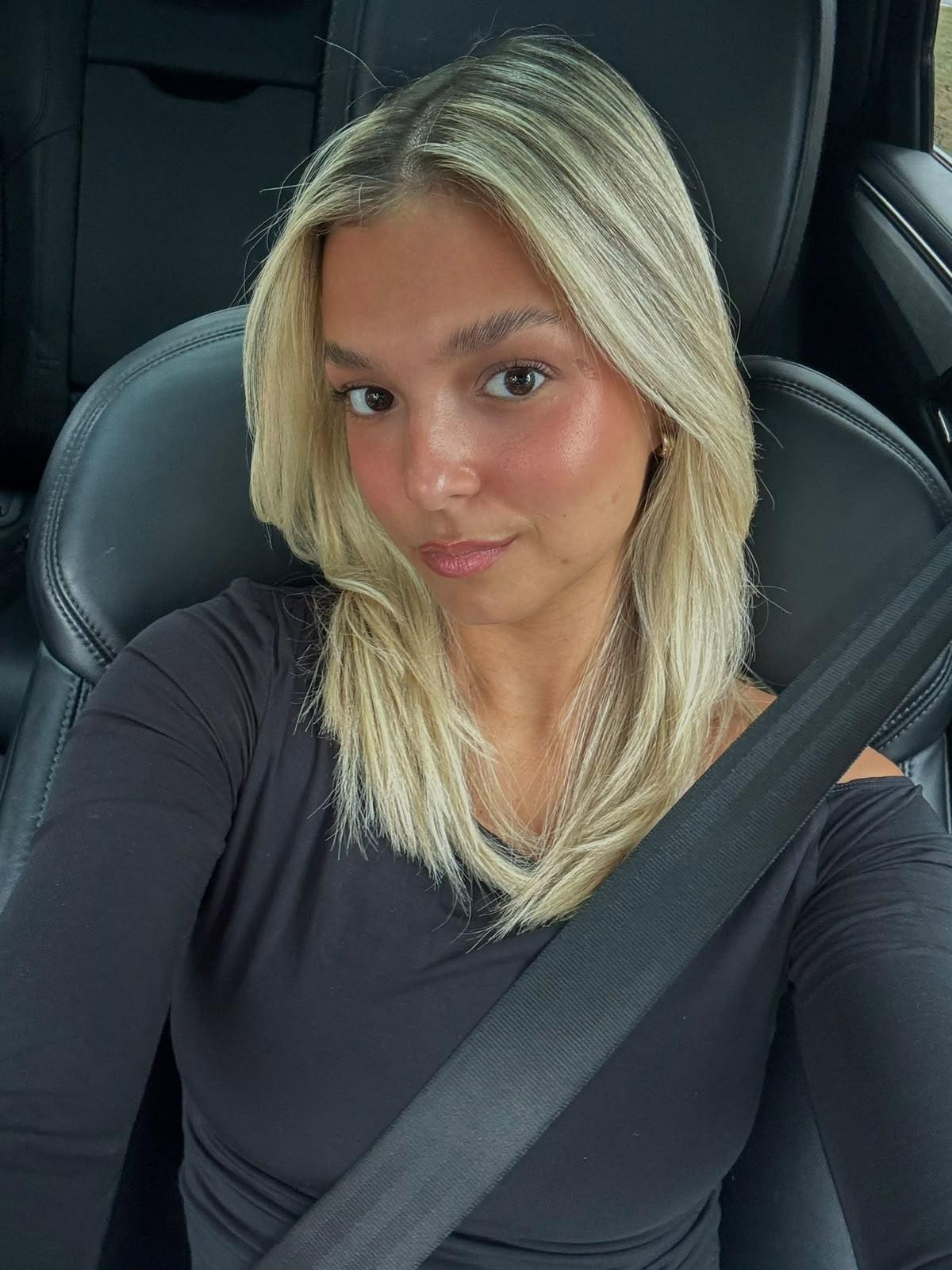
The hardest part wasn’t getting the diagnosis. It was what comes after that.
FEELING STABLE
Amalia was diagnosed with juvenile idiopathic arthritis when she was two and a half. She has lived with the condition for almost her entire life - but hasn’t had a flare-up for the last eight years.
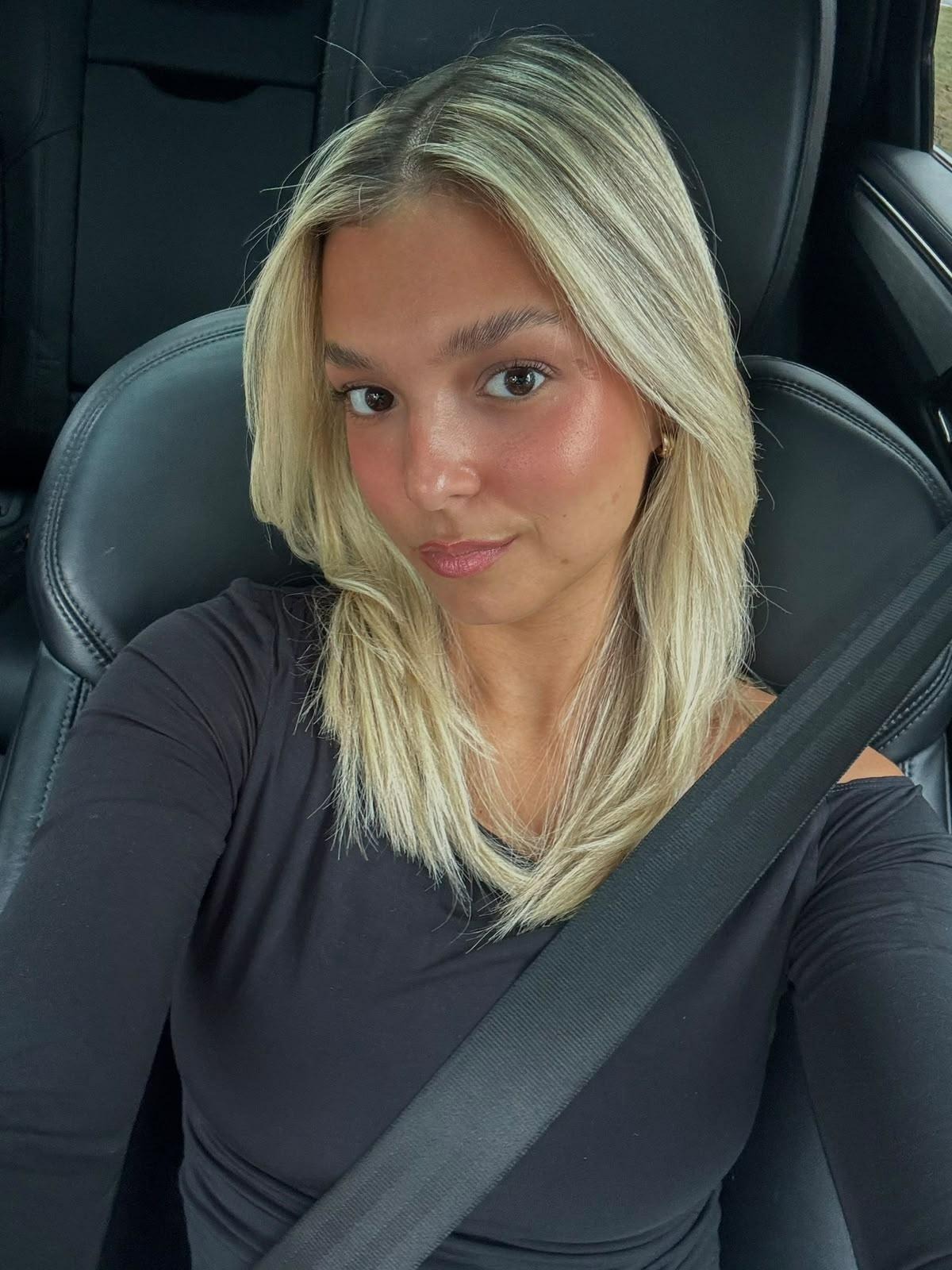
It started with a swollen knee
I was diagnosed with juvenile idiopathic arthritis when I was two and a half.
I remember just falling over one day and that was it, quite simple. I ended up having a really swollen knee. It was really painful and I couldn’t walk.
My symptoms continued this way for the following month. I was admitted to the nearest children’s hospital and I stayed, from what my mum said, for around 20 days.
The hardest part wasn’t getting the diagnosis
The hardest part of my journey wasn’t to get the diagnosis. It was what comes after that.
I had to start treatment and basically the treatment was steroids. I was taking cortisone for a couple of years, on and off, and when this way of treatment didn’t work for me I had to undergo a joint aspiration in the OR because I was way too young to cooperate with the doctors.
The symptoms I had were swelling, increased temperature in the joints, reduced mobility. Sometimes it was really hard for me to walk.
I’d say morning stiffness as well, because I remember trying to move myself out of bed in the morning and it was really hard sometimes.
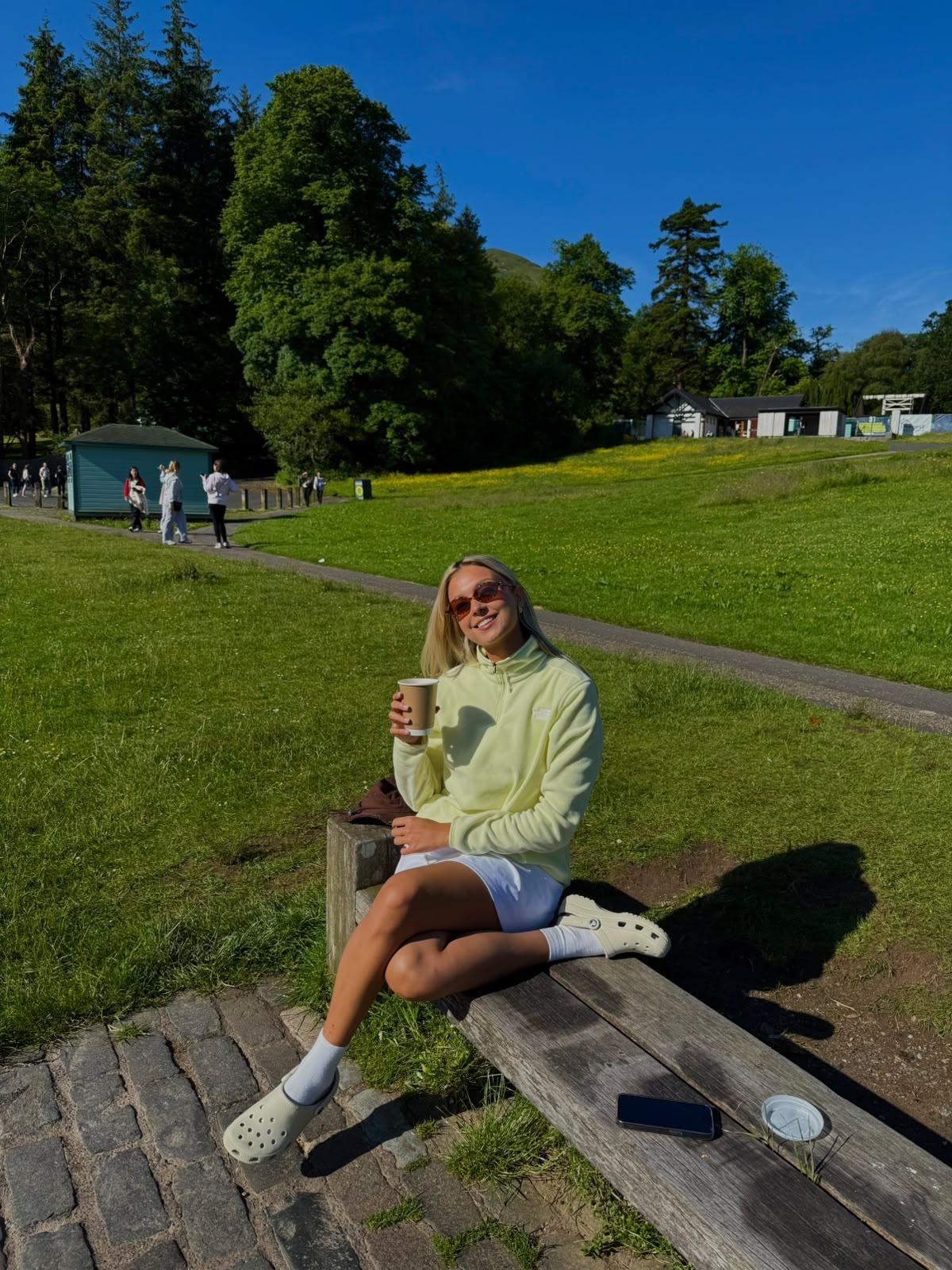
My childhood wasn’t a carefree memory
My childhood wasn’t a carefree memory. I had to be mature, I had to be responsible and I had to take care of myself.
But here I am now.
I haven’t had a joint aspiration since I was 14 and I haven’t had a flare-up the last eight years.
There is nothing you cannot do
Looking back, what I’ve learned is there is nothing you cannot do. You just need to adjust your life based on your needs.
And another thing was all about your attitude. If you have an attitude where you want the others to feel sorry about you, or if you want to feel sorry about yourself, this is going to happen. You’re going to project that to the others and it’s going to come back to you.
It’s your life. There will be better days one day.
Why I’m a mOI member
Instagram: @amalia_fotopoulou
Having lived with juvenile idiopathic arthritis since childhood, Amalia understands the value of keeping sight of her health over time, even when things are going well. She joined mOI to help her stay connected to her immune health and keep track of what matters as her life and health change.
For Amalia, mOI offers a way to keep sight of her health history, results and changes over time, even while she is feeling well.
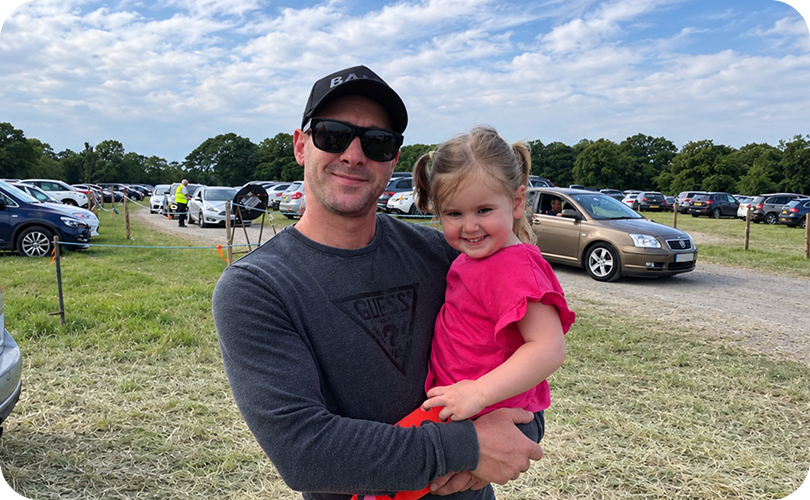
When you’ve broken out in eczema, it makes you want to hide away.
Dave works with mOI. This is his personal experience of living with eczema, asthma and allergies.
NAVIGATING FLARES
Dave has lived with chronic eczema, asthma and allergies for as long as he can remember. His diagnosis came early. Finding a way to live with it has been the harder part.
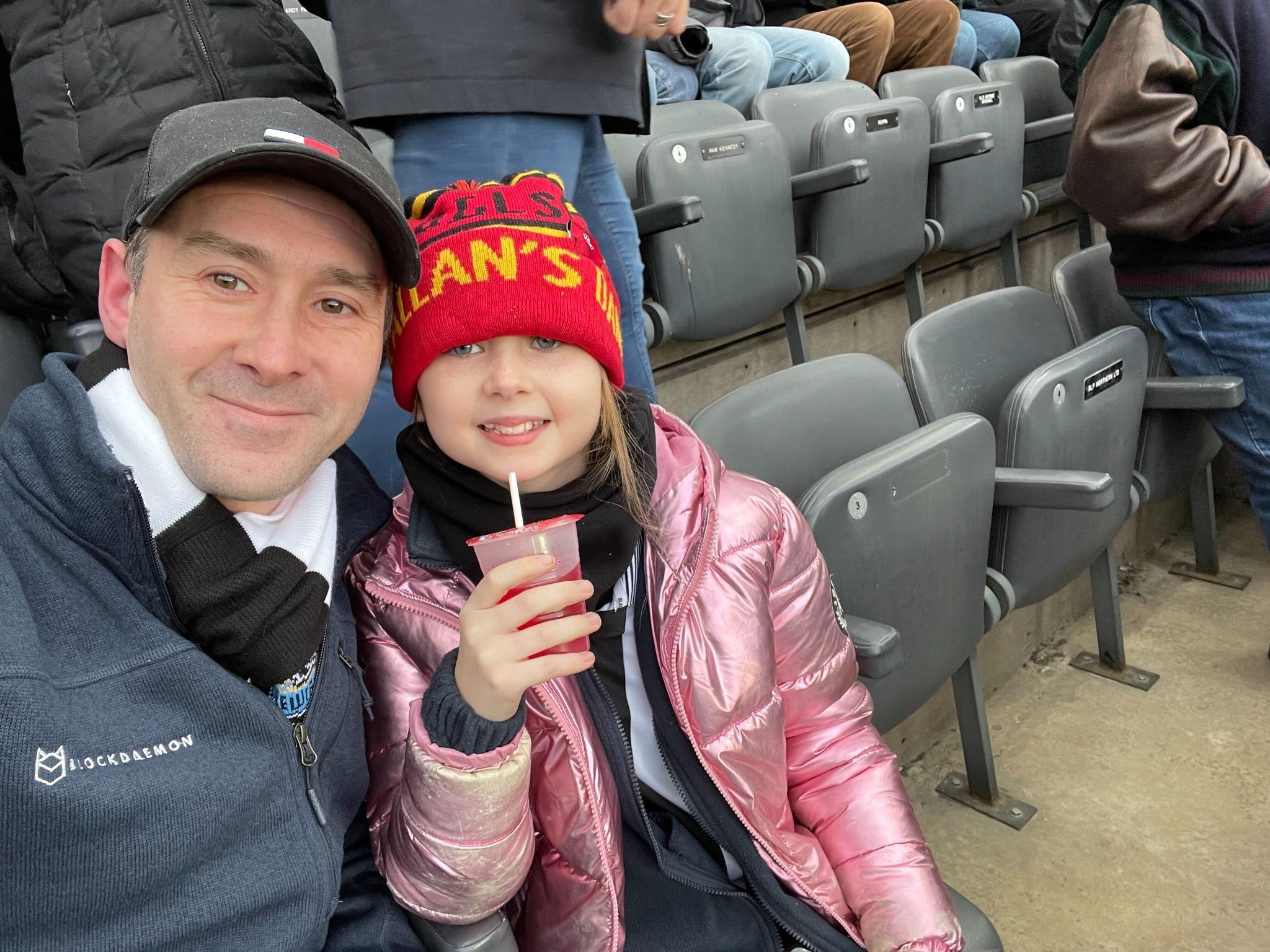
I’ve lived with this my entire life
I am 40 years old, and I’ve suffered with eczema, asthma and allergies my entire life. From being wrapped in bandages as a child so I would stop scratching myself in the night, to going to a job interview in London with an outbreak all over my face. One of the interviewers thought I was an alcoholic and I almost didn’t get the job.
The diagnosis was easy. The treatment hasn’t been
My diagnosis was very easy and was done when I was a baby, to be fair, but the journey of treatment has been a lifelong struggle. I have tried probably all the creams and lotions, bath products etc on the market, and they only work for a short time, some make it worse and others don’t work at all. I’ve been on elimination diets, I’ve literally tried everything.
GP’s most of the time, I find don’t really know what to do and now they refuse steroid creams on a repeat prescription without any clear path to replace them.
I’ve been to private dermatologists, I’ve been an outpatient of Durham University hospital over the years to varying degrees of success.
The hardest part is confidence
Confidence. When you’ve broken out in eczema all over your face, neck, hands and arms, you just can’t help but think people are looking at you. It makes you want to hide away.
Then there’s the itch. That insatiable tickle on your skin that with all the willpower in the world cannot be left unscratched. Which leads to the bleeding, the soreness and the ugly red blotches on your skin.
I’ve learned to manage the flare-ups, physically and mentally
Restricting diet and cutting out all artificial soaps. Never putting anything on my skin without testing it first.
But mentally, just knowing that everything is impermanent, flare ups will come and go, managing my own expectations.
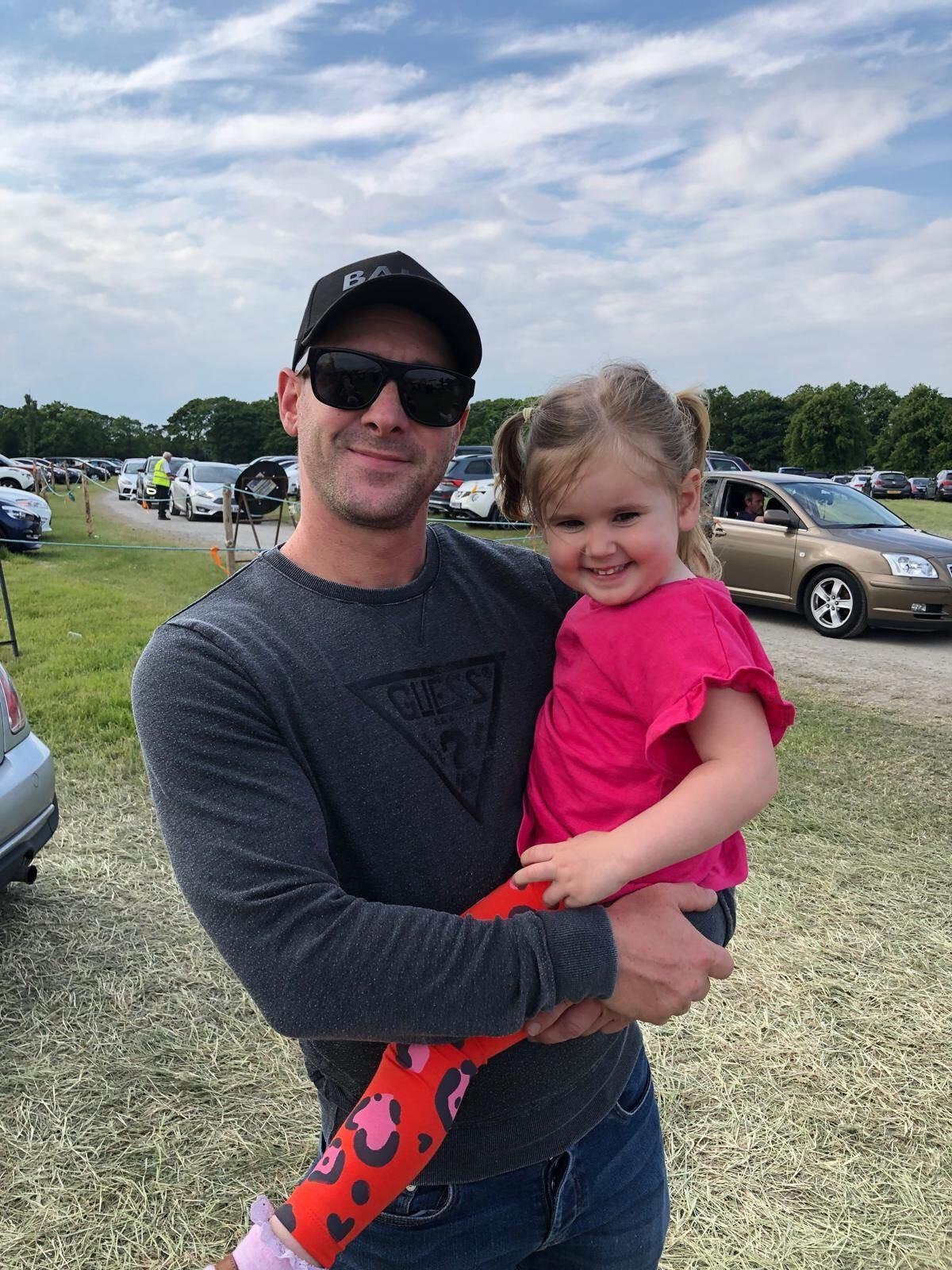
I wish doctors understood that it is life altering
Eczema isn’t the same as a life threatening disease. I get that. I’ve lived a full and mostly happy life with it, even though it effects me daily.
What I wish is that although not life threatening, it’s definitely life altering and when you’re suffering, it can be really bad. I would love more empathy and understanding from doctors when it comes to treatment.
And for the love of god, don’t tell me just not to itch.
People see past the things that you can’t
I would say that there is no silver bullets and what works for one person doesn’t work for everyone.
On a positive, emotional side, I would say that people see past the things that you can’t. The people around you don’t see the flare ups the same way you catastrophise about them in your mind.
Understand your patterns →
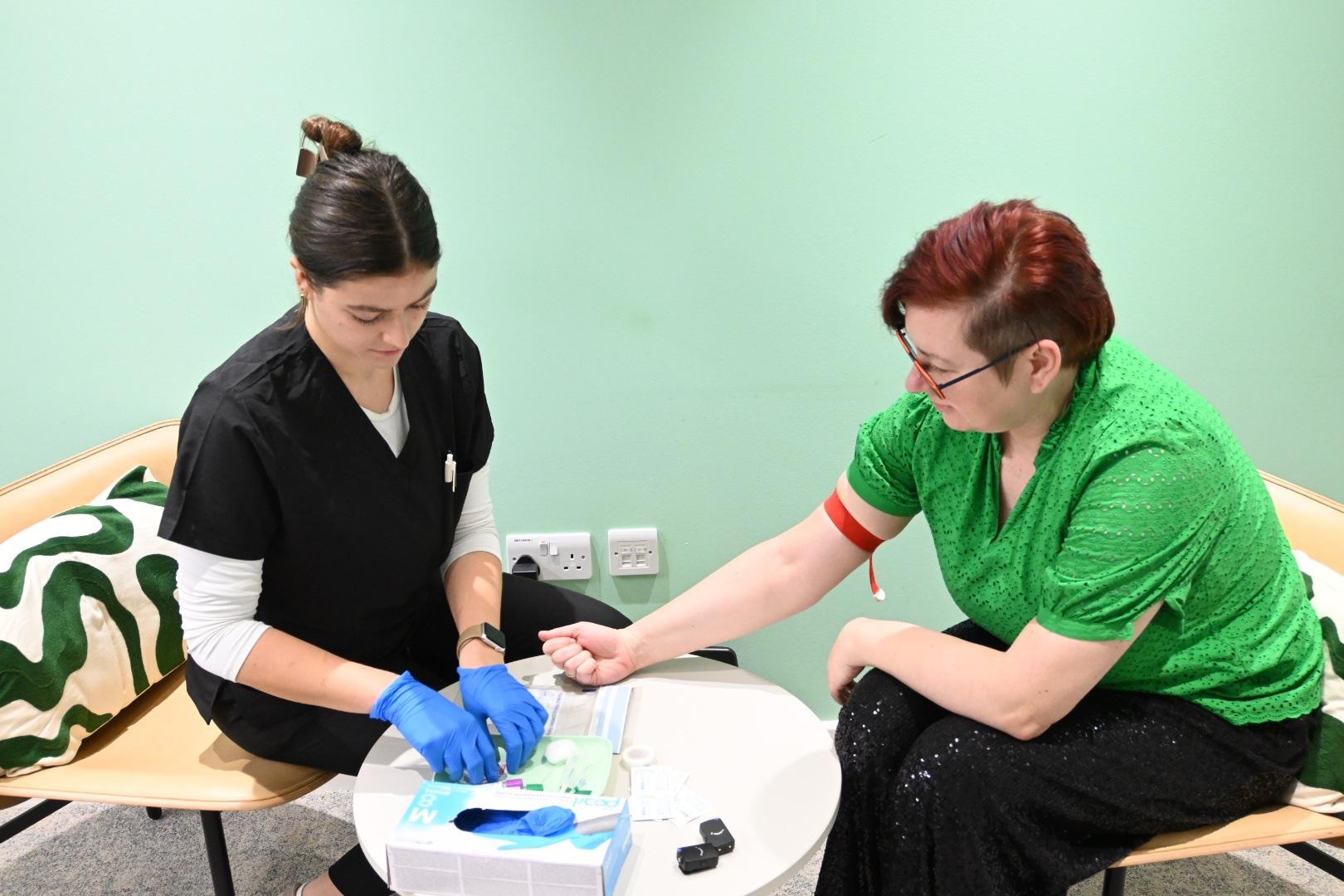
It’s hard to know what is connected and what is independent.
EXPLORING SYMPTOMS
Aga has a family history of Crohn’s disease and has experienced intermittent symptoms affecting different parts of her body, but she does not yet have a diagnosis.
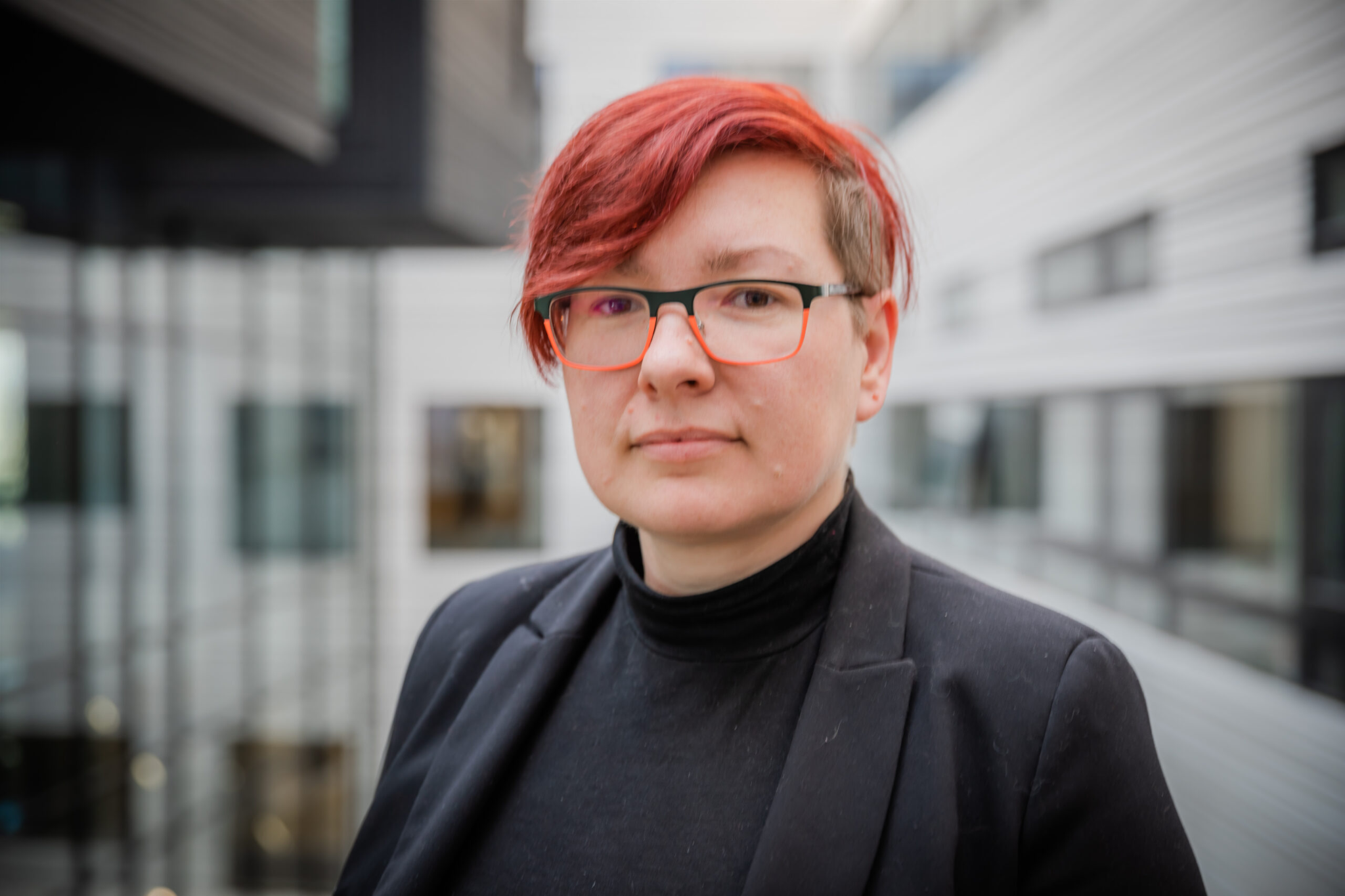
I have symptoms, but no full picture
I have family history of Crohn’s disease and a plethora of weird symptoms of my own but I have not been diagnosed and my GP so far couldn’t paint a full picture of what is going on.
I have on and off symptoms affecting my joints, skin, digestive system and potentially eyesight too. It’s hard to know what is connected and what is independent, and that makes me feel powerless to know what to do and what to avoid to keep those random symptoms in check.
By the time I see my GP, I am usually fine again
I have been reporting the coming-and-going symptoms to my GP over a few years now, but tests need to be done when the flare ups happen, and non-emergency appointments happen when NHS has capacity. And guess what - by the time I see the GP I am usually fine again and feel like an imposter taking up their precious time for nothing. Despite various test done in the NHS over time so far there is no conclusive diagnosis.
I don’t expect a full diagnosis after one visit, but it’s really hard to keep coming back to your GP for years to report random symptoms, some of which cannot be really evidenced on the spot as the flare has gone by the time we meet, and as a result we are always stuck being none the wiser.
The hardest part is the uncertainty
Uncertainty about what will get worse and how I am missing an opportunity to act early because I don’t know what condition I actually have.
I started tracking what was happening more systematically
I am more conscious about tracking what is going on systematically, and have a reliable way of recording symptoms for my own awareness and for more effective communication with the doctors too.
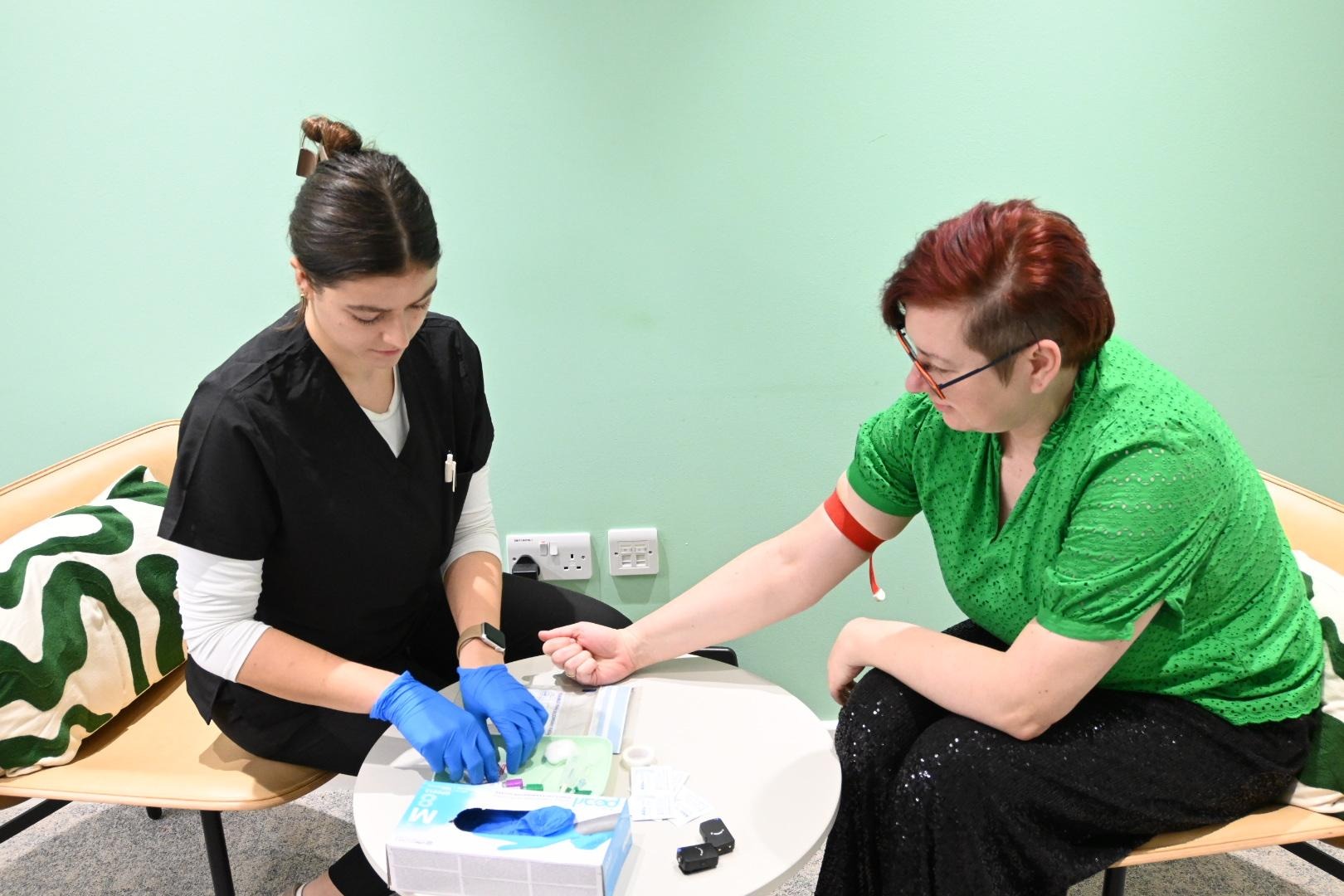
mOI helped me have a different conversation with my GP
Combined genetic and blood markers test done with mOI helped my GP consider immune condition more seriously and I have been invited for some more targeted testing recently. Maybe we will finally identify what is happening with me!
I was finally able to have a conversation with my GP that is supported by solid, comprehensive evidence they were not able to obtain before. The correlation of blood biomarkers with genetic predisposition data is very empowering. It is so great to reach an "aha!" moment after years of wondering what all the strange and intermittent symptoms could actually mean.
What I would say to someone else looking for answers
Investing in understanding your health is so important. Now that cutting-edge science is available at your fingertips to support your personal journey towards a diagnosis with robust data - why not take full advantage of it today?
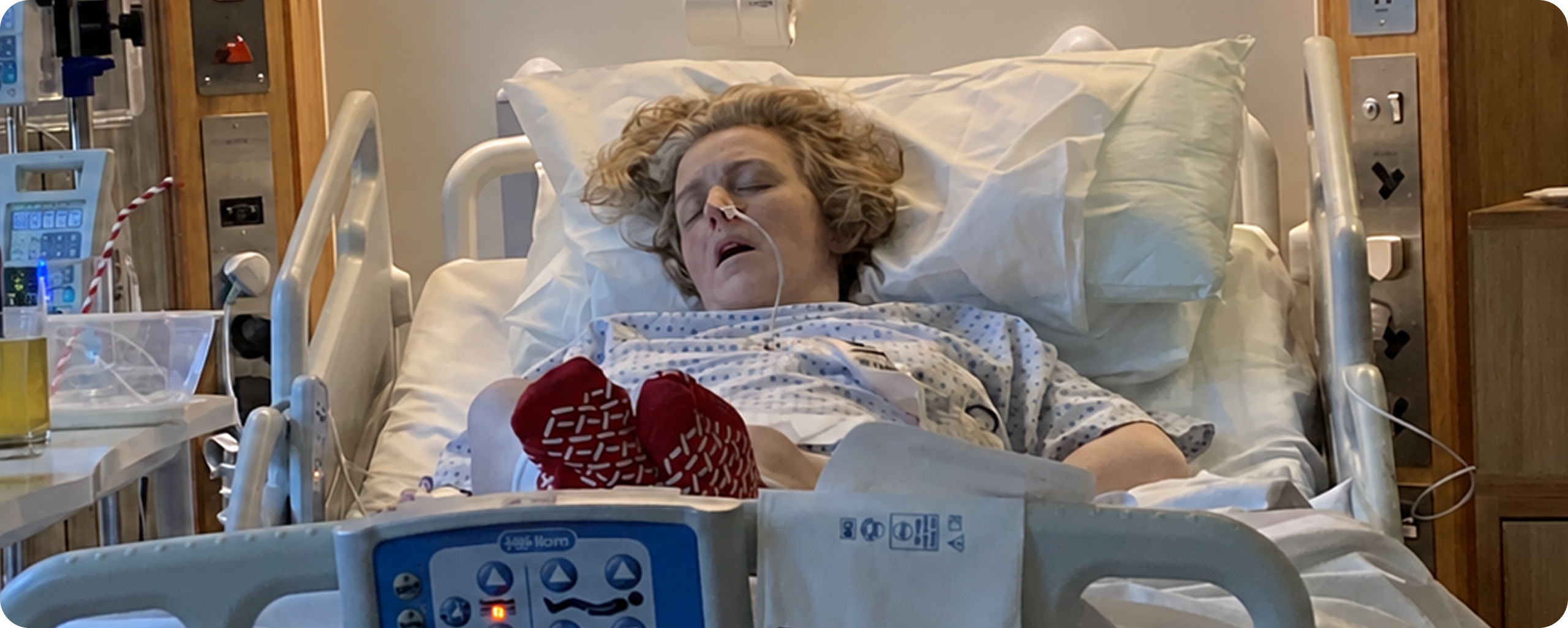
Looking after your body, particularly a malfunctioning one, is a full time job.
NAVIGATING FLARES
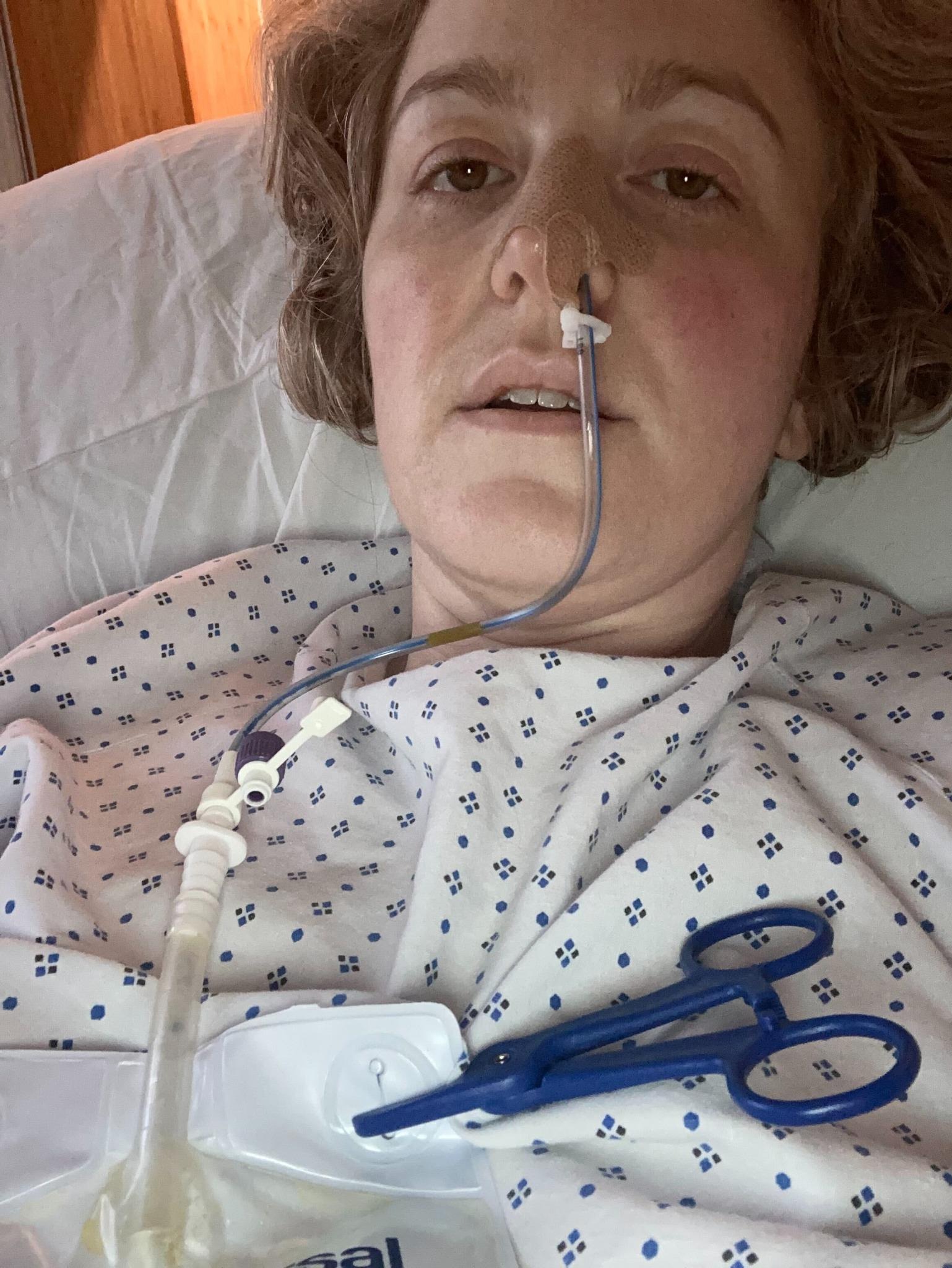
Caroline lives with a number of complex chronic conditions, including Ehlers-Danlos Syndrome - Hypermobility Type, PoTS (Postural Orthostatic Tachycardia Syndrome), Mast Cell Activation Disorder, Seronegative Rheumatoid Arthritis, Chronic Inflammatory Demyelinating Polyradiculoneuropathy.
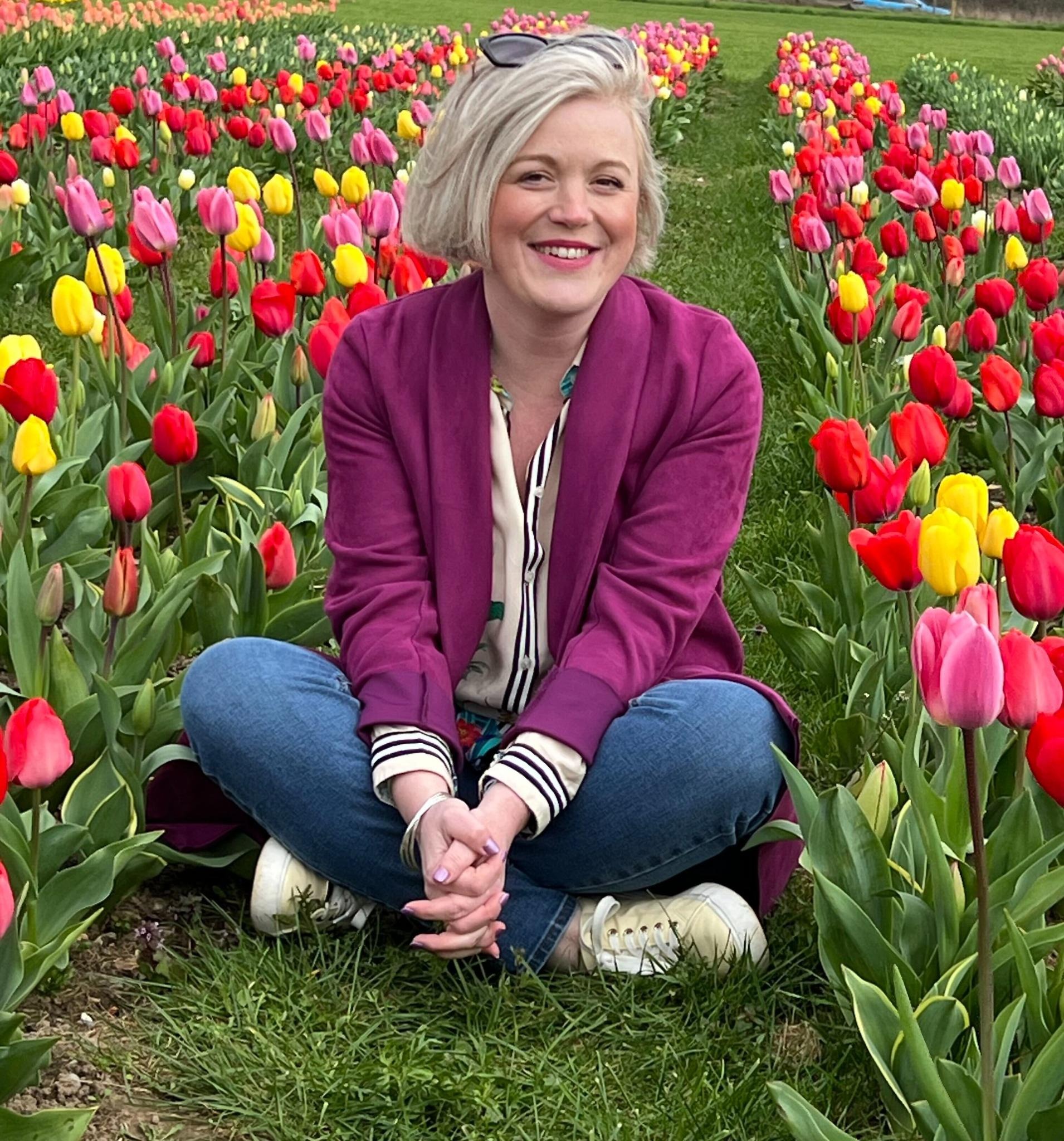
Caroline
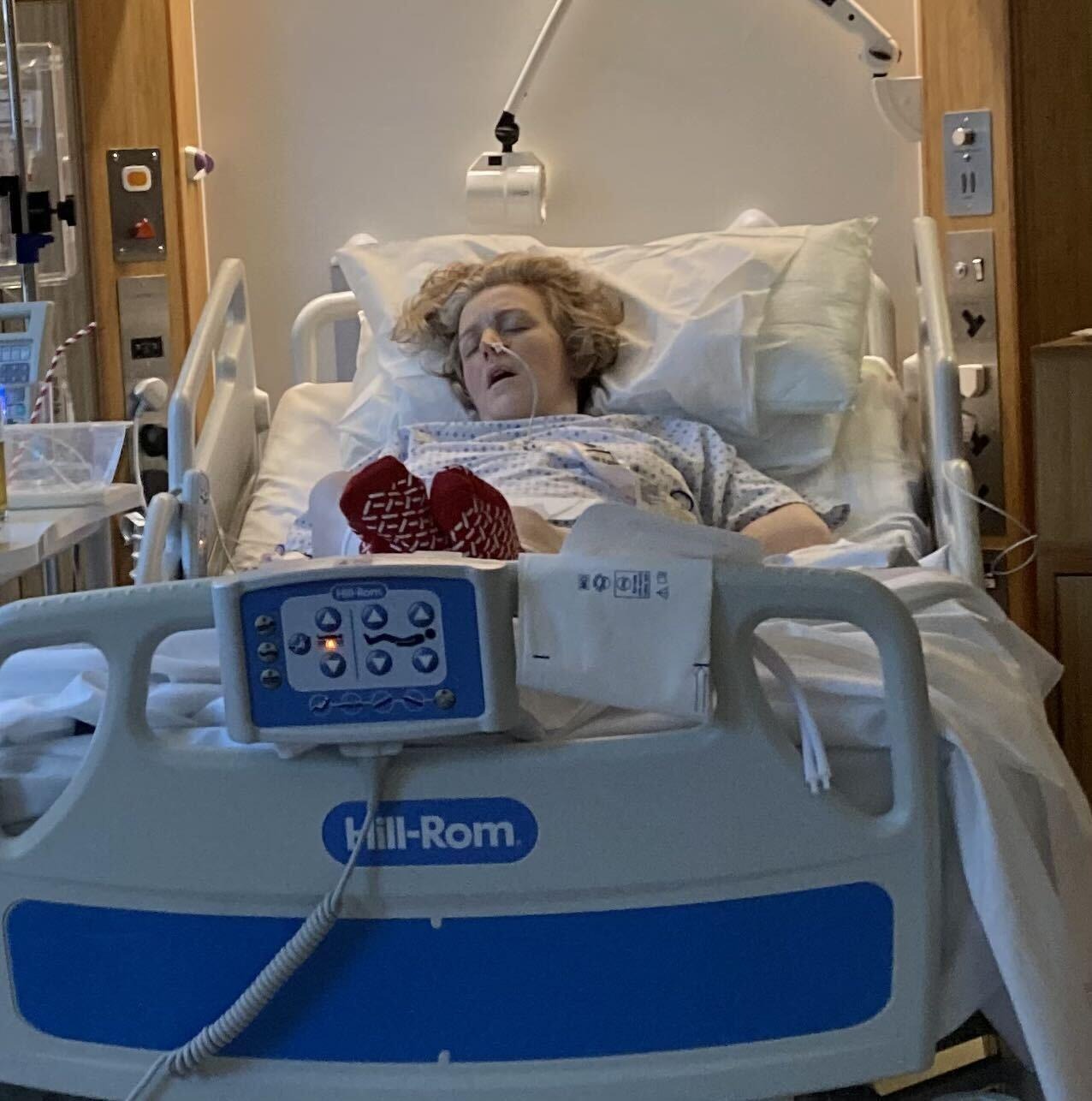
I’m a 43 year old female who has had over 30 years of ill health. To most people I look well and healthy on the outside, but turn me inside out and it tells a completely different story. I spend my life being told that "you don’t look ill". This, of course, is a blessing but is a massive disadvantage whilst trying to get the right help and answers that you need.
My journey has been a long one
My journey has been a long one! I describe it more like a rollercoaster. Ups and downs, twists and turns. Think of it like a train journey from A to B but with lots of delays, re routing, change of timetables, change of trains, engineering works!
When you live with rare conditions you have to take each day as they come. I often joke "hour by hour".
I have been lucky enough to stay positive and I have become my own advocate. Sometimes it can feel like you’re hitting your head against a brick wall, but you have to keep searching for hope and options.
I have met and been under the care of some incredible medics over the years, some who have known me for over 10 years, but I have also had a small handful of not so great ones. Never be disheartened by these. The good doctors are out there and they will help you! My favourite doctors are the ones that never leave any stone unturned and are willing to go that extra mile.
The hardest parts
As I said, it really is a rollercoaster - and one you never get the chance to get off! Learning to embrace the journey is key. Knowing there will be the good, the bad and the ugly really helps to keep you going.
Looking after your body, particularly a malfunctioning one, is a full time job.
I’d say the hardest parts are being believed, finding the right medics for YOU and the constant admin that comes with being ill. Also, sometimes the not knowing what’s wrong, and the countless tests which each bring their own wait is really difficult. I feel I manage much better when I know what I’m dealing with.
What has made the biggest difference
Doctors who understand and are willing to work with you! A few of my doctors have become almost like family. They are always working with me, not against me and this is life changing.
Staying organised. You have all the answers to the questions that medics are going to ask you. Keep note of everything. That test result or symptom from 6 years ago - might just be a key part of the puzzle to your diagnosis today. You never know what is going to be needed or important.
Keeping positive. My consultants regularly comment about how my positivity has helped shape my journey for the better.
How mOI helps me
Imagine never forgetting another test result, or that symptom that happened in the middle of the night 3 months ago, but is now significant to the new doctor youvre under the care of. mOI can really help keep your health facts in one place. I just love that fact that over time patterns can appear and potentially prevent you from triggering a flare.
As for the whole genome sequencing - what a game changer! Really getting to the core of how your body is made up. It’s like a whole new set of sign posts on this complex journey! This is going to make a big difference for me. I can’t believe it only takes 6 weeks to get all this information.
What I wish doctors understood
That no two patients are ever the same!
What I would say to someone going through the same thing
Stay as positive as you can, keep advocating for yourself, trust your gut, search for the right doctors for YOU and remember there will always be options.
Instagram: @stylingsmilingandsurviving
For Caroline, mOI provides one place to keep symptoms, results and health history together, making it easier to spot patterns and bring the right information into appointments.

Getting diagnosed was only the beginning.
NAVIGATING FLARES
“Ben” is a pseudonym. His story is real and shared with his permission.
I was diagnosed with coeliac disease when I was five. It was always there in the background, but because I'd grown up with it, managing it became part of normal life.
Crohn's was completely different.
My symptoms started during the pandemic. I was dealing with gastrointestinal pain, brain fog and chronic fatigue. It affected almost every part of my life and I ended up missing more than a year of school.
Getting a diagnosis gave the problem a name. It didn’t tell me how to get my life back.
Finding the right treatment took time
Once I was diagnosed, I assumed the next step would be finding a treatment that worked.
It wasn't that simple.
I tried steroids and then different biologic treatments. The difficult part was that you couldn't always tell immediately whether something was working. You had to give it time, while still living with the symptoms and wondering whether you were moving in the right direction.
There were periods when I felt as though I was improving and others when it felt like I was going backwards.
The uncertainty was one of the hardest parts: is this the right treatment for me, or am I losing more time?
A flare affected much more than my gut
When my Crohn's was at its worst, it wasn't just pain.
The fatigue could be overwhelming. There were times when getting out of bed or going upstairs was difficult. School, exams, university applications, sport and seeing friends all had to be adjusted around what I was physically able to do.
When you're young, those are the things your life is supposed to be built around. Instead, I was constantly having to ask what my body would allow me to do.
My health wasn’t one part of my life. For a while, it determined how much of my life I could actually take part in.
Getting better was gradual
Eventually, I found treatment that made a real difference. But recovery wasn't a switch that suddenly flipped.
I had to add my life back in piece by piece. First I increased how much work I could manage. Then sport. Then I had to work out whether I could do both at the same time. Then came everything else, including having a social life again.
That process took a long time.
Recovery wasn’t just having fewer symptoms. It was being able to do more of the things that made me feel like myself again.
I still have to judge how far I can push myself
Today, I'm in a very different place. I can basically do everything I want to do, including university and high-level sport.
But there's still a conversation I have with myself that other people may not see. Can I physically handle this? Am I doing too much? Could this set me back?
My goal isn't to spend more time thinking about my condition. It's the opposite. I'd like to be able to put my hand up for something and just go for it, without always having to calculate what it might cost me physically.
Doing well doesn’t mean I’ve forgotten what it feels like to lose ground.
I don't want to track every symptom every day
One thing I've learned is that more tracking isn't automatically better for me.
I use data for sport, so I know how easy it is to become fixated on a single score or a bad day. I've found the same thing can happen with health. If I focus too much on every individual symptom, I can end up worrying about things that may not matter.
What matters more to me is the longer-term picture. Am I improving over weeks and months? Is something meaningfully changing? Is there a pattern worth paying attention to?
I want to understand the trend without having to live inside the data.
I want my condition to take up less space in my life
I've lived through a period when Crohn's dictated what I could do. I don't want to go back there.
For me, success is being able to study, train, see friends and make plans without my health being the first consideration every time.
I'm close to that now. But I also know that staying well doesn't mean pretending the condition isn't there.
It's about finding the balance between paying enough attention to recognise meaningful change and getting on with the rest of my life.
I don’t want managing Crohn’s to be the thing I’m best at. I want to be able to focus on everything else.
A note from mOI
When getting diagnosed is only the beginning
Ben spoke to us while mOI was still being developed. His experience reinforced that a diagnosis is not the end of the journey. mOI is designed to help people keep symptoms, results and health information together, understand change over time and bring a clearer picture into conversations about their care.
Understand your patterns →
Your story could help someone on their journey.
Every health journey is unique. Sharing your experience could help others feel understood, discover new perspectives, and feel more confident navigating their own journey.