
In their own words
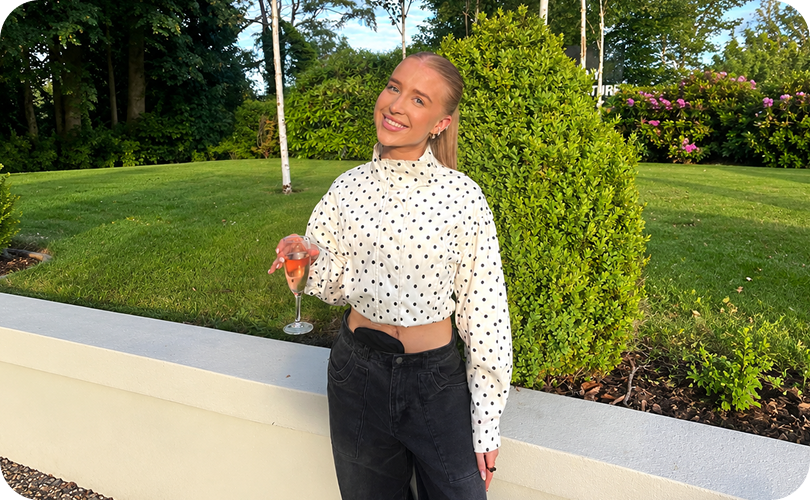
When I say I can’t do it anymore, I’m actually at my limit.
Navigating Flares • mOI member

I have been living with inflammatory bowel disease for around two years. My diagnosis is now undetermined IBD. I have had a total colectomy and live with an ileostomy, and I still fight flares and receive treatment.
My journey started with my twin brother
My journey started with my twin brother Joe, who was rushed to hospital with suspected food poisoning. Four weeks later, his bowel had been entirely removed and he was diagnosed with ulcerative colitis, something he had never heard of. He was given hours to live, and that ileostomy surgery saved his life.
The day my brother got home from hospital, I started bleeding from my rectum. I panicked and thought that if I forgot about it, it would go away. I couldn’t put my family through the fear and trauma of having this happen to me too.
Six months later, I collapsed from blood loss and was admitted to hospital for the first time, where I was also diagnosed with ulcerative colitis.
Eventually, my body gave up
After a year of treatment and living in hospitals, my body gave up. I went into sepsis and developed toxic megacolon, which ultimately resulted in my entire large bowel being removed and me getting an ileostomy.
I officially twin with my twin!
Because my bowel was so damaged, unfortunately we were not able to identify my specific IBD. My diagnosis changed from ulcerative colitis to undetermined IBD. I still fight flares and get treatment now.
I was lucky to be believed
I was lucky in my diagnosis. As I had such a strong family history of the disease through my twin brother, the doctors believed me and fought for my diagnosis straight away, which I know isn’t the case for most people.
The hardest part was the embarrassment
The initial embarrassment was the hardest part. Soiling myself on a night out. Bleeding through my clothes. Not being able to talk to friends or colleagues about it.

Being open changed things for me
Social media. Being open. Being able to create confidence and having that confidence to know when it’s time to get help. Those things have made the biggest difference to how I manage my health.
How mOI helps me
I always struggle seeing new doctors. The first question is always, “Are you on steroids?” I say yes, and they ask which ones I’ve tried, and I never knew. mOI lets me log exact medications and timelines, which has made my doctors’ lives a lot easier and made treatment quicker.
What I wish doctors understood
That I am strong. I can handle pain. I’ve hidden pain for years. So when I say I can’t do it anymore, I’m actually at my limit.
What I would say to someone going through the same thing
You are your best advocate.
Instagram: @alex.lyonss • TikTok: @alex.lyonss
For Alex, mOI keeps medication history, treatment timelines and other health information in one place, so she can share a clearer record when she sees a new doctor.

The symptoms are invisible, so people think you look alright and therefore you are alright.
Exploring Symptoms
I want to understand myself more deeply
I was diagnosed with hypermobility/EDS in my teenage years and have experienced burnout and suffered from chronic pain for a number of years. My emotional health played a huge role in the severity of symptoms.
Personally I am seeking a better understanding how different aspects of my biology, e.g. gut health and genetics affect my health, physically and psychologically. I am here due to my chronic pain and EDS, plus perimenopause. My physical health plays a part and I am curious to understand myself more deeply.
The symptoms are invisible
The symptoms are invisible and so people think you look alright and so you are alright. My symptoms are very closely linked to my emotional state and GPs and other health care professionals most often lack an understanding of the link between physical and mental health.
I have avoided GPs as they would prescribe painkillers and not much more. I have completed 'Rolfing', a somatic therapy that has helped me a lot. Psychotherapy, which again has helped me immensely. These approaches and lifestyle changes have improved my life, but there might be more.
What has made the biggest difference
Identifying my own stressors, especially my internal ones, and learning emotional regulation, besides helping my body with the right diet, exercise and healthy social connections. Identifying unhealthy relationships and severing those.
I want to be listened to
I wish doctors understood that not every physical symptom has a physical source, physical and mental pain is real and painkillers, 'a plaster', are not the solution. Patients want to understand, not just be told, and I want to be listened to.
Never give up hope. It is hard, but stay curious and ask for support.
My perspective as a psychologist and coach
I am a psychologist and coach, focusing on supporting individuals facing challenges in health, life and business. My work focuses on how we can build the internal resources, or human capacity, to face challenges and demands. Chronic demands and stressors can lead to chronic stress and make us more vulnerable.
For people with autoimmune or inflammatory conditions, some of the biggest challenges I see are being listened to, being seen and being believed. There is also the challenge of making sense of medical data and understanding what they can do to prevent flare ups.
The system often lacks time to listen, struggles to connect data from different specialisms and does not always empower patients. It looks at averages, while many patients fall outside the average.
Why mOI is relevant to me
It is too early for me to say that mOI has made a difference to my health. What interests me is its potential to become a bridge between patients, health professionals and clinicians, and to create a more informed and personalised approach.
Between appointments, I want to understand the events that could be part of a flare up, mood changes, positive and negative, when symptoms reduced or increased, and what happened in the person's life. Better continuous monitoring and patient-generated data could help create a personalised approach for each client, with a safe environment and comprehensive data that takes different aspects of their health into account.
To me, better care means a deep understanding of the biology and psychology of a person and a more holistic approach to treatment: treating symptoms, but also trying to find the source.
mOI brings symptoms, health data and personal context together over time, helping people build a clearer picture of their health and share it with the professionals supporting them.
Start making sense of your health →
Disclosure: Katja works with mOI as a coach. This story reflects her personal experience and professional perspective.
Your story could help someone on their journey.
Every health journey is unique. Sharing your experience could help others feel understood, discover new perspectives, and feel more confident navigating their own journey.