
In their own words
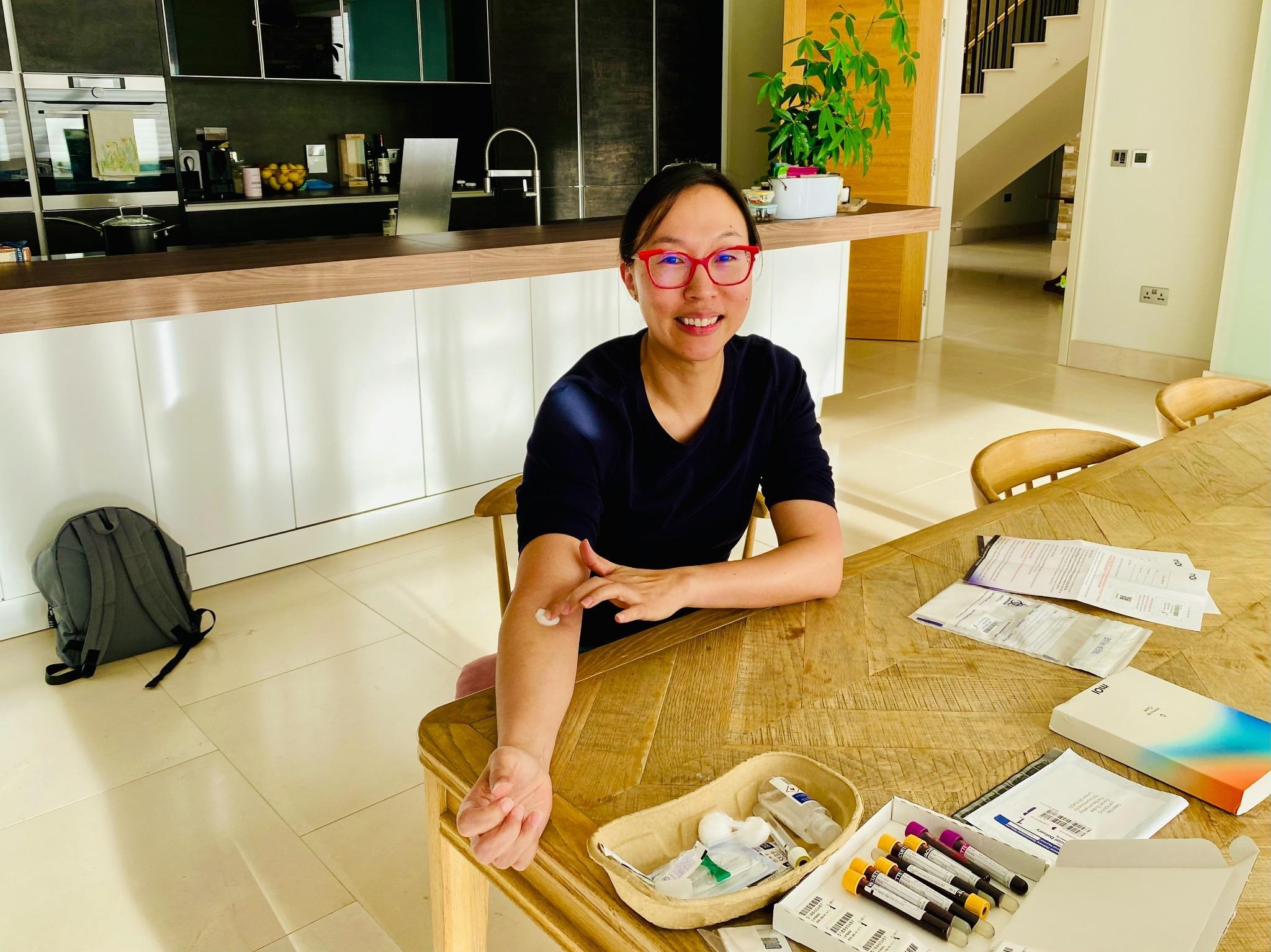
No symptoms brought me here. Curiosity did.
OPTIMISING HEALTH
No symptoms brought me here. Curiosity did. I already tracked a lot: sleep, training, recovery. But most of what I was reading about health felt too broad. It was general advice for general people.
I wanted to go deeper and understand what was actually happening in my own body, especially my immune system, which most health tracking barely touches. I wanted information that was specific to me, not the average person. That’s what brought me to mOI.
I had information, but not context
There’s no diagnosis in my story, but there has been a search for answers. I've done one-off blood tests, tried supplements, and followed protocols from podcasts. Each told me something, but nothing connected. I’d get a result, have no idea what it meant for me specifically, and move on to the next thing.
It felt like collecting pieces of a puzzle with no picture on the box.
What I was missing wasn’t more information. It was context, and a way to see how everything fitted together over time.
The hardest part is knowing what actually works for me
I don’t live with symptoms, so I won’t pretend my experience compares to people who do. For me, the hardest part has been not knowing whether anything I do actually makes a difference. There’s so much conflicting advice out there. One podcast says one thing, the next says the opposite. You can put real effort into your health and still have no idea if it's working for you. That uncertainty is frustrating when you care about getting it right.
Wearing a CGM changed how I think about my health
Wearing a CGM changed how I think about my health. Seeing my glucose respond in real time to what I ate, how I slept and how stressed I was made it obvious how personal all of this is. Foods that are meant to be healthy spiked me, and things I’d avoided were fine. It made me realise how much generic advice misses.
After that, I wanted the same kind of personal understanding for my immune health, which is much harder to see and far more complex. It’s made me more selective. Less noise, more intention.
With mOI, that’s where it clicked
Yes. I did the whole genome sequencing test alongside my blood testing, and that’s where it clicked. My Vitamin D was low, which didn’t surprise me. But mOI also showed me that my genetics may be playing a part. It wasn’t just about sun, diet or supplements. It was the whole picture. That was my aha moment.
A blood test alone wouldn’t have shown me that, and a standalone DNA test wouldn’t have either. Only together. It’s the level of personalisation I’d been looking for since my CGM.
Wanting to understand my health isn’t the same as worrying about it
That wanting to understand my health isn’t the same as worrying about it. When you’re well, the system isn’t really set up for you. You’re not unwell enough to need an appointment, so questions about prevention or optimisation can feel like you’re wasting someone’s time. But I’d much rather understand my baseline now than start from scratch if something changes later.
I’d also love doctors to see patient data as useful context. When I bring something like my Vitamin D and genetics results, I’m not trying to diagnose myself. I’m trying to have a better conversation.
Get curious about yourself
Get curious about yourself, not just about health in general. The podcasts and protocols are a great starting point, but they’re built for everyone. The most useful information you’ll ever find is your own. Start by understanding your baseline, and look for patterns over time rather than reacting to a single number.
And be kind to yourself about the doing part. I’m living proof that knowing what to do and actually doing it are two different things.
.jpeg)
For years, I was treating the symptoms without knowing what was causing them.
RECENTLY DIAGNOSED
“Sofia” is a pseudonym. Her story is real and shared with her permission.
I’ve had symptoms since I was a teenager. The difficult thing was that there always seemed to be another explanation for them.
I saw doctors regularly and I received treatment, so I wouldn’t say I was ignored. Often, the treatments helped. But they were treating individual symptoms rather than helping me understand why they were happening.
For years, I was managing the pieces without understanding how they fitted together.
I had treatment. What I didn’t have was an answer.
My skin was one problem. Tiredness was another. Feeling cold was just something I lived with. There were sensitivities and other symptoms that came and went.
Because treatments often kept things relatively under control, it wasn’t always obvious that we might be missing something bigger.
I kept seeing doctors and trying to find answers. It took a lot of different appointments before I eventually found people who were willing to look more deeply at what was happening.
The hardest part wasn’t that nobody was treating me. It was that I never seemed to have the complete answer.
The breakthrough came from somewhere I didn’t expect
I’d been seeing a dermatologist for years for my skin without knowing I had psoriasis.
Eventually, I had a bad reaction after starting a treatment. My skin became red, I developed hives after eating certain foods and I wondered whether I might have food allergies.
That took me to a gastroenterologist.
He looked at everything I was experiencing and asked me a question nobody had asked before:
“Have you ever been diagnosed with psoriasis?”
I hadn’t.
It was an unexpected route to an answer, but once I had a name for what was happening, I could find the right specialist and start understanding my health differently.
Then my mum’s experience helped another piece fall into place
Hashimoto’s happened in a similar way.
My mum had experienced thyroid problems for much of her life without knowing that the cause was autoimmune. When she was eventually diagnosed with Hashimoto’s, she was told that her children should consider being tested too.
Suddenly, my own symptoms made more sense.
I’d experienced them for years, but it was only when we could look at my mum’s experience alongside mine that things started to connect.
Without knowing my mum’s health history, I think it would have taken me much longer to get the right diagnosis.
A diagnosis helped. It didn’t make everything disappear.
I’m now on treatment for Hashimoto’s and have a much better understanding of what I’m dealing with.
But managing my health is still part of everyday life.
I get tired and often need to nap. I’m almost always cold. My skin can flare, and I’ve learned to pay close attention to things like nutrition because I’ve noticed changes can be followed by changes in my symptoms.
None of these things necessarily sounds huge on its own.
It’s the combination that people don’t always see.
There are medications, skincare, nutrition, exercise, appointments and the mental effort of constantly paying attention to how you’re feeling. Over time, it all adds up.
Looking after my mental health changed things too
One of the biggest things that has helped me isn’t something I originally associated with managing an autoimmune condition.
It’s therapy.
I’ve been seeing the same therapist for several years. We talk about many things, but a significant part of it is managing the stress and anxiety that can come with my symptoms.
I’ve also found mindfulness and meditation really helpful.
They haven’t just helped me deal with the emotional side of my health. They’ve helped me become more attuned to my body and more motivated to understand what is happening.
Looking after my mental health has become part of looking after my physical health.
I know my body incredibly well now
After living with symptoms for so long, I’ve become very sensitive to small changes in how I feel.
I track my nutrition. I track activity. I keep a journal of my symptoms.
The frustrating part is that all that information lives in different places.
I don’t just want to know how much protein I ate or how many steps I took. I want to understand what happened afterwards.
Did something I changed coincide with a flare? Was I more exhausted the next day? Is there a pattern that I’m missing?
At the moment, I have to try to make those connections myself.
I don’t need more disconnected information. I want to see the bigger picture.
I wish I’d had that bigger picture sooner
Today, I finally feel that I have the right information and the right people around me.
What stays with me is how long it took to get here.
My symptoms had been present for years. I was seeing doctors. I was receiving treatments. But it took different people noticing different clues before those pieces finally began to come together.
My mum’s experience helped me. Conversations with other people helped me. Information I found online helped me ask better questions.
That’s one reason I’m comfortable sharing my story now.
If talking about what I’ve experienced helps someone else connect their own dots a little sooner, then it’s worth it.
A note from mOI
If Sofia’s story feels familiar
Sofia shared her story with us before mOI was available. Her experience helped reinforce why bringing symptoms, health history and results together matters. mOI is designed to help you build a clearer picture over time and have better-informed conversations about your health.
Start connecting the dots →
Name changed to protect the participant’s privacy. This story is based on a real interview and is shared with permission. Some details have been omitted to preserve anonymity. Interviewed by Carol Sun-Schuster and Raquel de Aymerich for mOI.

I feel well now. I don’t want to lose sight of what’s happening.
FEELING STABLE
“Arjun” is a pseudonym. His story is real and shared with his permission.
I’ve been dealing with my health for as long as I can remember.
I had eczema as a child, which later became psoriasis. I also had gut problems from a very young age. I remember being about eight or nine and being tested because I had blood in my stools.
At first, nobody really knew what was causing it.
By the time I was 14 or 15, things had become much worse. There were times when my symptoms were so bad that leaving the house was difficult.
Eventually, I had a colonoscopy and was diagnosed with ulcerative colitis.
For years, my condition shaped my life
After my diagnosis, I came under NHS care and started treatment.
Getting my ulcerative colitis under control wasn’t quick. For years, I went through periods of flares and different treatments. At university, there was a point when things became so difficult that I had to leave for a few months and go home.
When you’re going through something like that, your health isn’t something happening in the background.
It determines what you can do, where you can go and how you plan your life.
Today, things are very different
My health is much better now.
I can still have a flare, but they’re much less frequent and usually far milder than they used to be. My psoriasis also comes and goes.
After years of living with these conditions, I’ve become very aware of my body. I know what normal feels like for me and I can often tell when something is beginning to change.
But because I’m well most of the time, I’m also much less disciplined about tracking everything than I would be if I were struggling every day.
That’s the strange thing about feeling better. When your condition stops dominating your life, it’s easy to stop paying attention to it.
Most of my health history is in my head
I’ve never really had one place where I’ve tracked everything.
When my ulcerative colitis was particularly active, I did some journalling. My GP and specialists had their notes. But much of what I’ve learned about my body over the years is simply something I remember.
I know roughly what my usual patterns are. I notice when something changes. I know there are things that seem to make my psoriasis worse.
But I’ve never systematically captured those patterns.
After living with this for decades, I know my body well. I just don’t necessarily have the data to show someone else what I know.
Being stable doesn’t mean I stop thinking about my health
When you’re feeling well, there can be a temptation to think, I’m fine. Why do I need to keep thinking about this?
I understand that feeling because I do it myself.
But ulcerative colitis hasn’t disappeared just because it isn’t affecting my everyday life in the way it once did.
There are still check-ups to think about. There are still changes in my body that I want to notice. And there are longer-term questions about my health that don’t simply disappear when my symptoms settle.
I don’t want to spend my life worrying about my condition. But I don’t want to ignore it either.
I want someone to see the whole person
One of the most important things I’ve learned is how valuable it is to have a doctor who listens.
I trust doctors and specialists. But I also think that after years of living with a condition, you develop an understanding of your own body that matters.
You know what normal feels like. You know when something has changed. You know what you’ve tried and what seems to help.
For me, the best healthcare is a conversation between those two kinds of expertise.
I know my body better than anybody else. I want a clinician who is willing to listen to that as part of the picture.
Support matters even when other people can’t completely understand
My family has been important throughout my health journey, particularly my wife.
But I’ve also realised that it’s difficult for somebody who hasn’t experienced a condition to fully understand what a flare feels like.
During a flare, you might be exhausted. You might be dealing with gastrointestinal symptoms. You might not be able to do as much around the house or with the children.
Sometimes what you need isn’t for someone else to fix it.
You just need them to understand that you’re not feeling like yourself.
I want to stay well without making health my whole life
I’ve already experienced the other extreme.
I know what it’s like when a condition dictates your day. When you can’t leave the house. When you have to step away from university. When managing your health becomes one of the biggest things in your life.
I’m fortunate that I’m not there now.
What I want today is different.
I want to understand what’s happening in my body, notice meaningful changes and keep on top of the things that matter, without having to become obsessed with tracking every detail.
For me, success isn’t thinking about my condition every day. It’s having the confidence to get on with my life while knowing I’m still looking after myself.
A note from mOI
Feeling well doesn’t mean losing sight of your health
Arjun shared his story with us before mOI was available. His experience helped reinforce the need for an easier way to keep symptoms, results and health information together, understand your baseline and notice meaningful changes over time without making your condition the centre of every day.
Keep track of what matters →
Name changed to protect the participant’s privacy. This story is based on a real interview and is shared with permission. Some details have been omitted to preserve anonymity. Interviewed by Carol Sun-Schuster and Raquel de Aymerich for mOI.
.jpeg)
Is something actually wrong, or am I just tired?
EXPLORING SYMPTOMS
“Marcus” is a pseudonym. His story is real and shared with his permission.
For a long time, I didn’t really think of myself as someone with symptoms.
I’d have days when I felt tired or foggy, or I’d have some abdominal discomfort. But it was never constant.
I’d think I’d been working too hard. Maybe I hadn’t eaten properly. Maybe I hadn’t rested enough.
Then I’d feel better and forget about it.
It’s easy to dismiss something when you don’t know whether there’s actually anything wrong.
I kept finding explanations for how I felt
My symptoms have been sporadic.
That’s part of what makes them difficult to understand.
When I’m not feeling 100%, I start wondering what might be happening. But once it passes, that urgency disappears.
I don’t necessarily stop and think about what happened beforehand or whether I’ve felt the same way before.
I’ve tended to put it down to being busy, working too much, stress, not getting enough rest or not eating as well as I should.
Once I feel better, I move on. Then the next time it happens, I’m almost starting again.
I’m probably too good at waiting things out
I’m not someone who rushes to the doctor.
My instinct is usually to monitor something and see whether it gets better.
Part of that is because I think I can get through it. Part of it is practical. I know how stretched healthcare can be and I don’t necessarily want to spend hours waiting when I think some rest might be enough.
So I’ll Google what I’m experiencing instead.
The problem is that you quickly end up with lots of possible explanations and very little clarity.
Maybe I need more vitamin D. Maybe it’s zinc. Maybe it’s stress. Maybe it’s something else.
There’s plenty of information. What’s difficult is knowing which of it actually applies to me.
Sometimes I don’t know where normal tiredness ends and a symptom begins
Fatigue is a good example.
There have been times when I’ve chosen not to socialise because I’d rather stay home and rest.
But was I tired because I’d been working hard? Did I simply not feel like going out? Or was I actually feeling unwell?
I genuinely don’t always know.
The line between everyday life and a health problem can be surprisingly blurry.
And when you’re still able to work, exercise and get on with your life, it’s very easy to tell yourself that whatever you’re experiencing can’t be that important.
The strange thing is that I actually think of myself as health-conscious
Since the pandemic, I’ve become much more conscious of my health.
I go to the gym regularly. I think about what I eat. Exercise has become an important part of my routine and I notice a real difference in how I feel on the days when I exercise.
I track things like activity and calories.
So I’m already collecting information about one part of my health.
What I’m not doing is connecting any of that to the moments when I don’t feel quite right.
I don’t necessarily want a diagnosis. I want to know what to do next.
What would help me is something that makes the next step clearer.
If I’m experiencing fatigue, brain fog or abdominal discomfort, I’d like to be able to capture that and start seeing whether there’s a pattern.
Is it happening after particularly busy weeks? Does exercise make a difference? Is there something else I should be paying attention to?
And if what I’m experiencing is something I should speak to someone about, I’d like help understanding that too.
Sometimes the hardest part isn’t getting an answer. It’s knowing whether you should be asking the question in the first place.
I want to understand my health without making it my whole life
Ultimately, my goal is pretty simple.
I want to be as healthy as I can be so I can work, enjoy the things I do and feel good physically and mentally.
I don’t want to spend every day worrying about symptoms.
But I also don’t want to keep dismissing things that might be worth paying attention to.
For me, the ideal would be something that helps me become more aware of what’s happening without making health feel like another job.
I want enough information to know when something matters, and enough confidence to know what to do next.
A note from mOI
If Marcus’s story feels familiar
Marcus shared his story with us before mOI was available. His experience helped reinforce why we built tools for people who know something doesn’t feel quite right but aren’t sure what it means. mOI helps you track symptoms and health information over time, look for patterns and build a clearer picture to support conversations about your health.
Start making sense of your symptoms →
Name changed to protect the participant’s privacy. This story is based on a real interview and is shared with permission. Some details have been omitted to preserve anonymity. Interviewed by Carol Sun-Schuster and Raquel de Aymerich for mOI.

Getting diagnosed was only the beginning.
NAVIGATING FLARES
“Ben” is a pseudonym. His story is real and shared with his permission.
I was diagnosed with coeliac disease when I was five. It was always there in the background, but because I'd grown up with it, managing it became part of normal life.
Crohn's was completely different.
My symptoms started during the pandemic. I was dealing with gastrointestinal pain, brain fog and chronic fatigue. It affected almost every part of my life and I ended up missing more than a year of school.
Getting a diagnosis gave the problem a name. It didn’t tell me how to get my life back.
Finding the right treatment took time
Once I was diagnosed, I assumed the next step would be finding a treatment that worked.
It wasn't that simple.
I tried steroids and then different biologic treatments. The difficult part was that you couldn't always tell immediately whether something was working. You had to give it time, while still living with the symptoms and wondering whether you were moving in the right direction.
There were periods when I felt as though I was improving and others when it felt like I was going backwards.
The uncertainty was one of the hardest parts: is this the right treatment for me, or am I losing more time?
A flare affected much more than my gut
When my Crohn's was at its worst, it wasn't just pain.
The fatigue could be overwhelming. There were times when getting out of bed or going upstairs was difficult. School, exams, university applications, sport and seeing friends all had to be adjusted around what I was physically able to do.
When you're young, those are the things your life is supposed to be built around. Instead, I was constantly having to ask what my body would allow me to do.
My health wasn’t one part of my life. For a while, it determined how much of my life I could actually take part in.
Getting better was gradual
Eventually, I found treatment that made a real difference. But recovery wasn't a switch that suddenly flipped.
I had to add my life back in piece by piece. First I increased how much work I could manage. Then sport. Then I had to work out whether I could do both at the same time. Then came everything else, including having a social life again.
That process took a long time.
Recovery wasn’t just having fewer symptoms. It was being able to do more of the things that made me feel like myself again.
I still have to judge how far I can push myself
Today, I'm in a very different place. I can basically do everything I want to do, including university and high-level sport.
But there's still a conversation I have with myself that other people may not see. Can I physically handle this? Am I doing too much? Could this set me back?
My goal isn't to spend more time thinking about my condition. It's the opposite. I'd like to be able to put my hand up for something and just go for it, without always having to calculate what it might cost me physically.
Doing well doesn’t mean I’ve forgotten what it feels like to lose ground.
I don't want to track every symptom every day
One thing I've learned is that more tracking isn't automatically better for me.
I use data for sport, so I know how easy it is to become fixated on a single score or a bad day. I've found the same thing can happen with health. If I focus too much on every individual symptom, I can end up worrying about things that may not matter.
What matters more to me is the longer-term picture. Am I improving over weeks and months? Is something meaningfully changing? Is there a pattern worth paying attention to?
I want to understand the trend without having to live inside the data.
I want my condition to take up less space in my life
I've lived through a period when Crohn's dictated what I could do. I don't want to go back there.
For me, success is being able to study, train, see friends and make plans without my health being the first consideration every time.
I'm close to that now. But I also know that staying well doesn't mean pretending the condition isn't there.
It's about finding the balance between paying enough attention to recognise meaningful change and getting on with the rest of my life.
I don’t want managing Crohn’s to be the thing I’m best at. I want to be able to focus on everything else.
A note from mOI
When getting diagnosed is only the beginning
Ben spoke to us while mOI was still being developed. His experience reinforced that a diagnosis is not the end of the journey. mOI is designed to help people keep symptoms, results and health information together, understand change over time and bring a clearer picture into conversations about their care.
Understand your patterns →
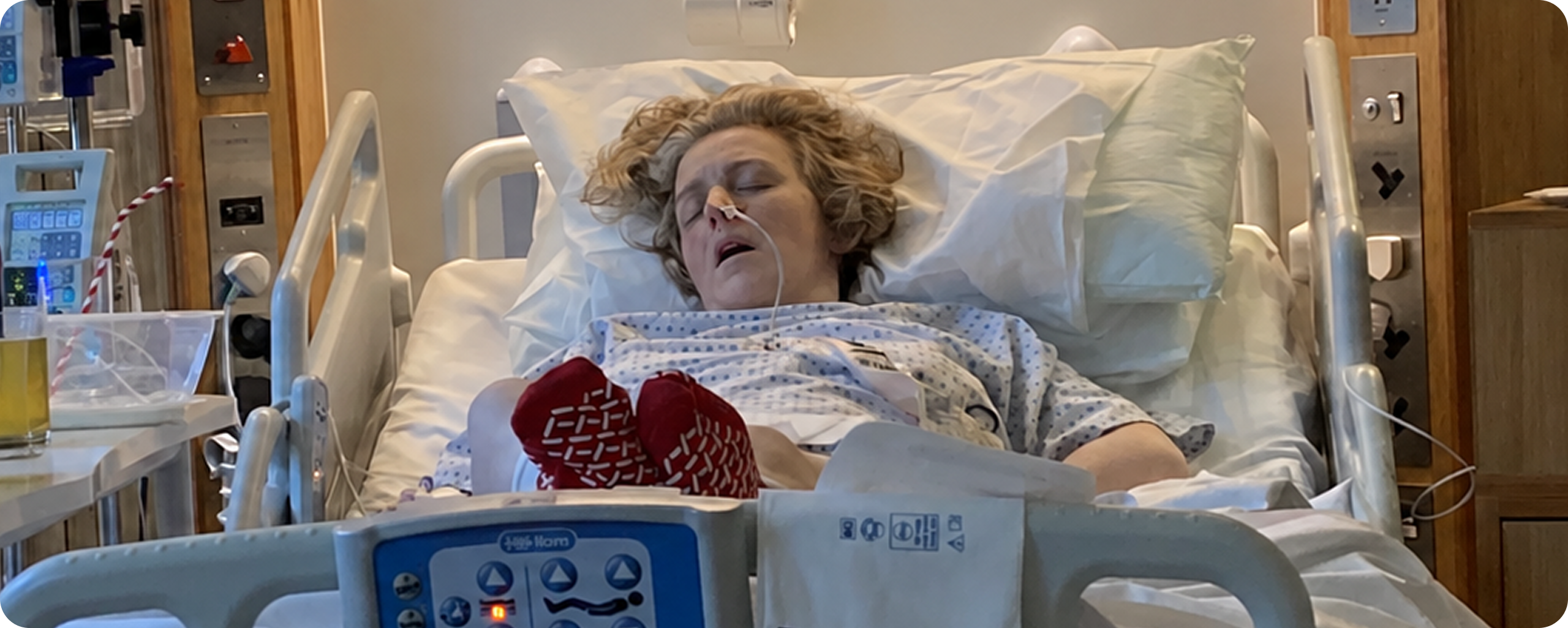
Looking after your body, particularly a malfunctioning one, is a full time job.
NAVIGATING FLARES
Caroline lives with a number of complex chronic conditions, including Ehlers-Danlos Syndrome - Hypermobility Type, PoTS (Postural Orthostatic Tachycardia Syndrome), Mast Cell Activation Disorder, Seronegative Rheumatoid Arthritis, Chronic Inflammatory Demyelinating Polyradiculoneuropathy.
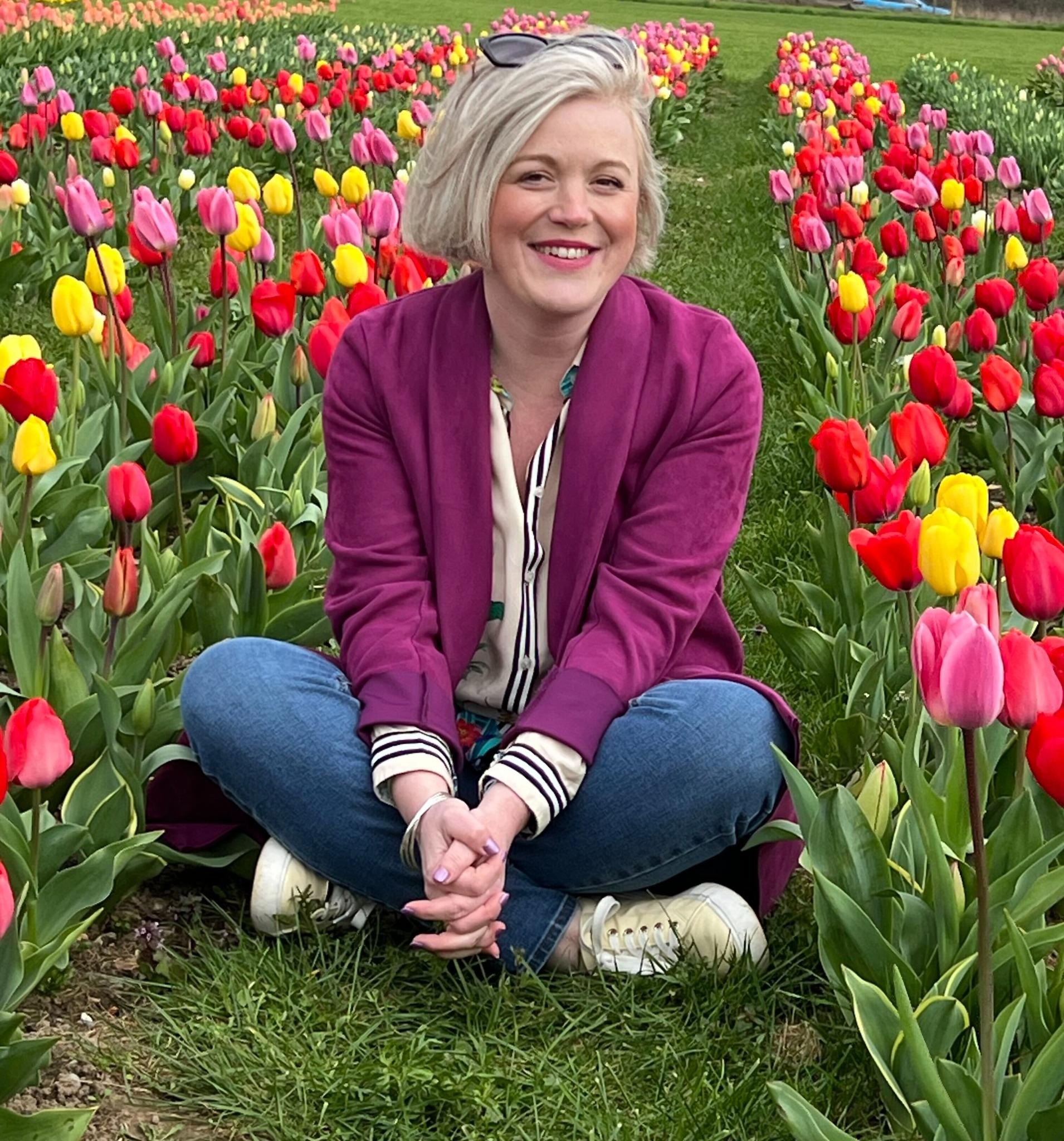
Caroline
I’m a 43 year old female who has had over 30 years of ill health. To most people I look well and healthy on the outside, but turn me inside out and it tells a completely different story. I spend my life being told that "you don’t look ill". This, of course, is a blessing but is a massive disadvantage whilst trying to get the right help and answers that you need.
My journey has been a long one
My journey has been a long one! I describe it more like a rollercoaster. Ups and downs, twists and turns. Think of it like a train journey from A to B but with lots of delays, re routing, change of timetables, change of trains, engineering works!
When you live with rare conditions you have to take each day as they come. I often joke "hour by hour".
I have been lucky enough to stay positive and I have become my own advocate. Sometimes it can feel like you’re hitting your head against a brick wall, but you have to keep searching for hope and options.
I have met and been under the care of some incredible medics over the years, some who have known me for over 10 years, but I have also had a small handful of not so great ones. Never be disheartened by these. The good doctors are out there and they will help you! My favourite doctors are the ones that never leave any stone unturned and are willing to go that extra mile.
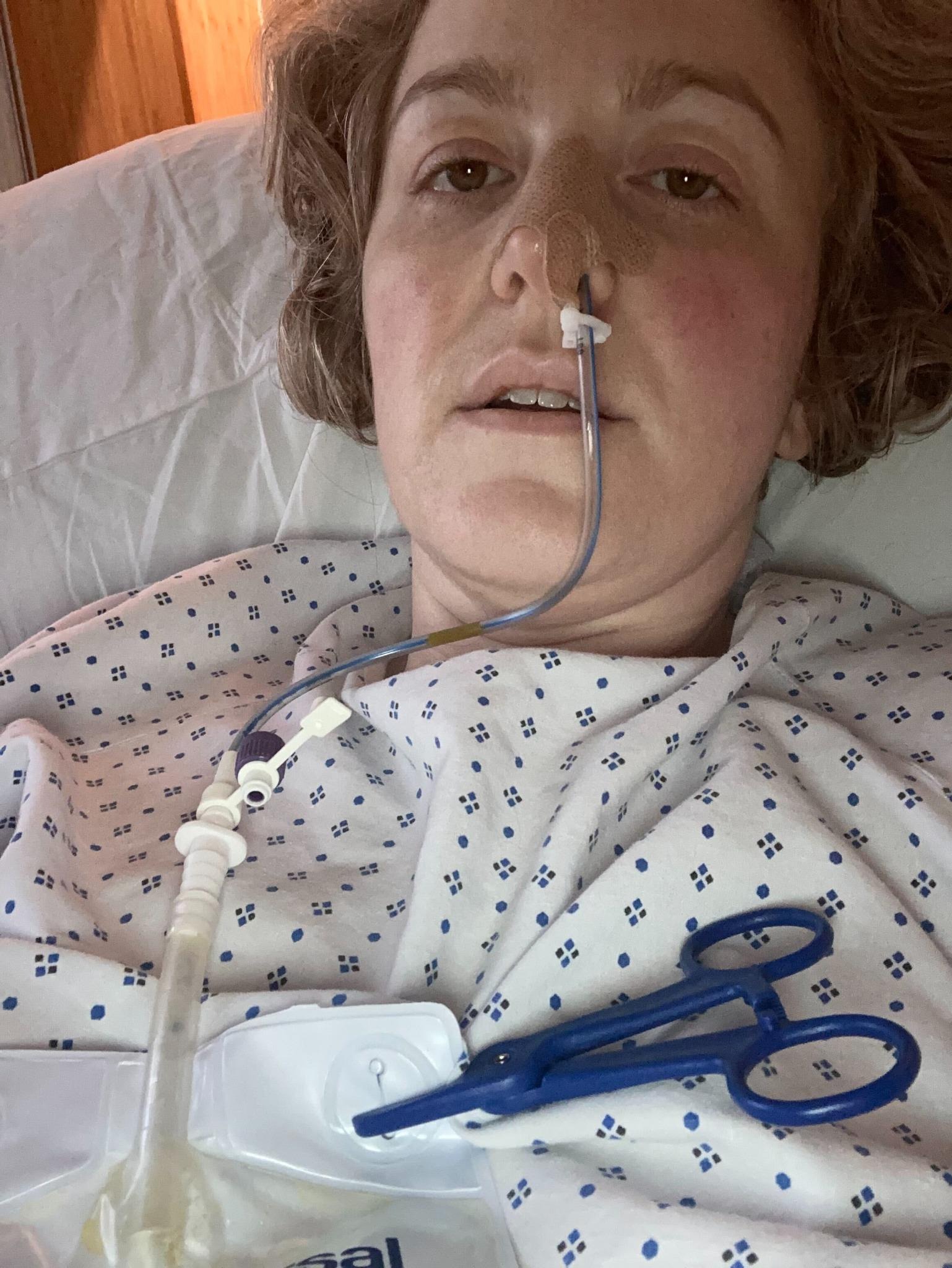
The hardest parts
As I said, it really is a rollercoaster - and one you never get the chance to get off! Learning to embrace the journey is key. Knowing there will be the good, the bad and the ugly really helps to keep you going.
Looking after your body, particularly a malfunctioning one, is a full time job.
I’d say the hardest parts are being believed, finding the right medics for YOU and the constant admin that comes with being ill. Also, sometimes the not knowing what’s wrong, and the countless tests which each bring their own wait is really difficult. I feel I manage much better when I know what I’m dealing with.
What has made the biggest difference
Doctors who understand and are willing to work with you! A few of my doctors have become almost like family. They are always working with me, not against me and this is life changing.
Staying organised. You have all the answers to the questions that medics are going to ask you. Keep note of everything. That test result or symptom from 6 years ago - might just be a key part of the puzzle to your diagnosis today. You never know what is going to be needed or important.
Keeping positive. My consultants regularly comment about how my positivity has helped shape my journey for the better.
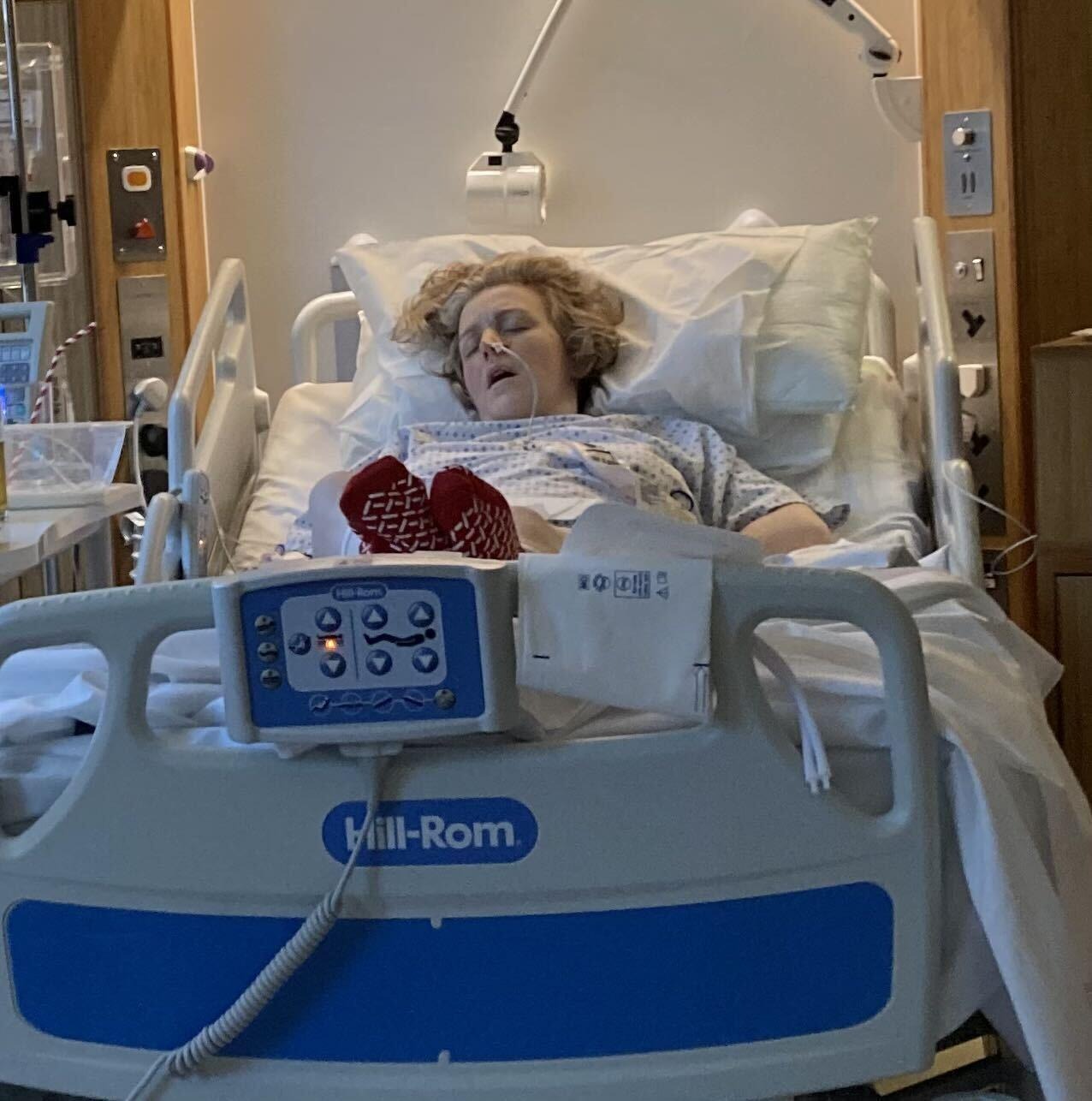
How mOI helps me
Imagine never forgetting another test result, or that symptom that happened in the middle of the night 3 months ago, but is now significant to the new doctor youvre under the care of. mOI can really help keep your health facts in one place. I just love that fact that over time patterns can appear and potentially prevent you from triggering a flare.
As for the whole genome sequencing - what a game changer! Really getting to the core of how your body is made up. It’s like a whole new set of sign posts on this complex journey! This is going to make a big difference for me. I can’t believe it only takes 6 weeks to get all this information.
What I wish doctors understood
That no two patients are ever the same!
What I would say to someone going through the same thing
Stay as positive as you can, keep advocating for yourself, trust your gut, search for the right doctors for YOU and remember there will always be options.
Instagram: @stylingsmilingandsurviving
For Caroline, mOI provides one place to keep symptoms, results and health history together, making it easier to spot patterns and bring the right information into appointments.
.jpeg)
It’s hard to know what is connected and what is independent.
EXPLORING SYMPTOMS
Aga has a family history of Crohn’s disease and has experienced intermittent symptoms affecting different parts of her body, but she does not yet have a diagnosis.
I have symptoms, but no full picture
I have family history of Crohn’s disease and a plethora of weird symptoms of my own but I have not been diagnosed and my GP so far couldn’t paint a full picture of what is going on.
I have on and off symptoms affecting my joints, skin, digestive system and potentially eyesight too. It’s hard to know what is connected and what is independent, and that makes me feel powerless to know what to do and what to avoid to keep those random symptoms in check.
By the time I see my GP, I am usually fine again
I have been reporting the coming-and-going symptoms to my GP over a few years now, but tests need to be done when the flare ups happen, and non-emergency appointments happen when NHS has capacity. And guess what - by the time I see the GP I am usually fine again and feel like an imposter taking up their precious time for nothing. Despite various test done in the NHS over time so far there is no conclusive diagnosis.
I don’t expect a full diagnosis after one visit, but it’s really hard to keep coming back to your GP for years to report random symptoms, some of which cannot be really evidenced on the spot as the flare has gone by the time we meet, and as a result we are always stuck being none the wiser.
The hardest part is the uncertainty
Uncertainty about what will get worse and how I am missing an opportunity to act early because I don’t know what condition I actually have.
I started tracking what was happening more systematically
I am more conscious about tracking what is going on systematically, and have a reliable way of recording symptoms for my own awareness and for more effective communication with the doctors too.
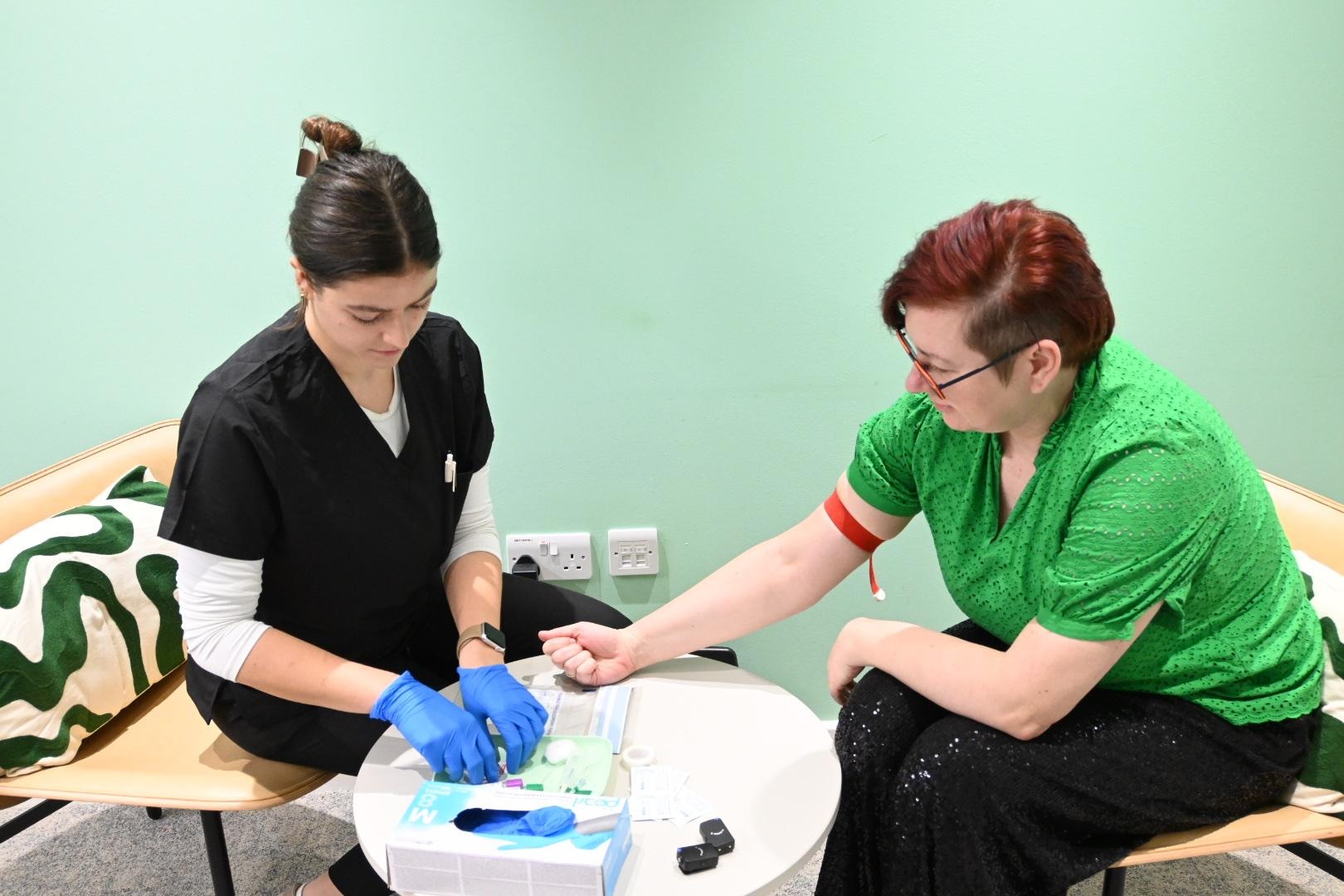
mOI helped me have a different conversation with my GP
Combined genetic and blood markers test done with mOI helped my GP consider immune condition more seriously and I have been invited for some more targeted testing recently. Maybe we will finally identify what is happening with me!
I was finally able to have a conversation with my GP that is supported by solid, comprehensive evidence they were not able to obtain before. The correlation of blood biomarkers with genetic predisposition data is very empowering. It is so great to reach an "aha!" moment after years of wondering what all the strange and intermittent symptoms could actually mean.
What I would say to someone else looking for answers
Investing in understanding your health is so important. Now that cutting-edge science is available at your fingertips to support your personal journey towards a diagnosis with robust data - why not take full advantage of it today?
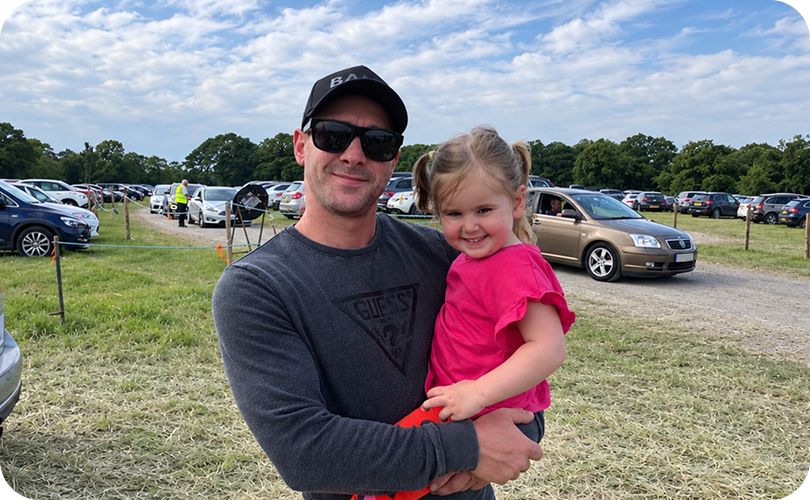
When you’ve broken out in eczema, it makes you want to hide away.
Dave works with mOI. This is his personal experience of living with eczema, asthma and allergies.
NAVIGATING FLARES
Dave has lived with chronic eczema, asthma and allergies for as long as he can remember. His diagnosis came early. Finding a way to live with it has been the harder part.
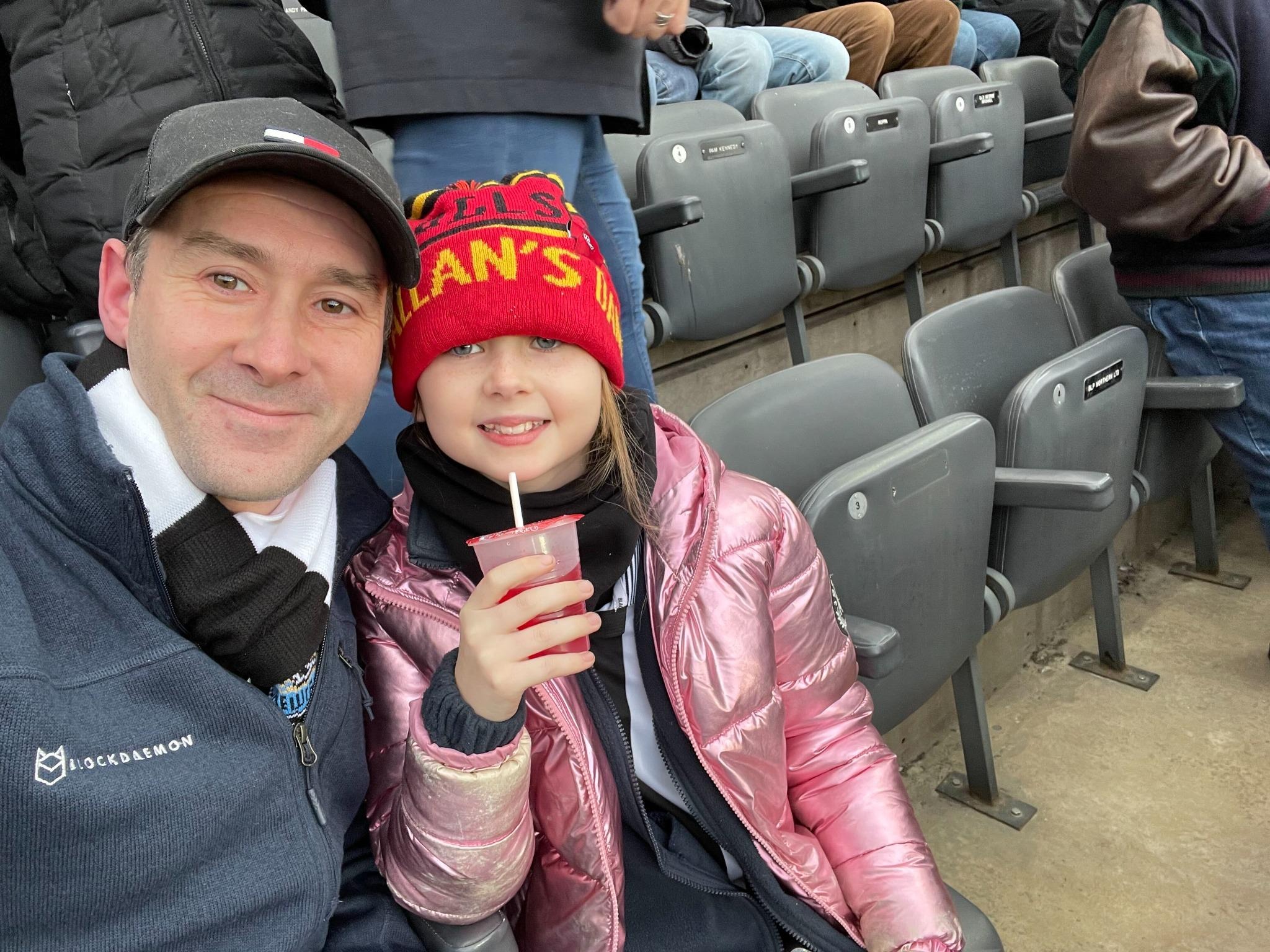
I’ve lived with this my entire life
I am 40 years old, and I’ve suffered with eczema, asthma and allergies my entire life. From being wrapped in bandages as a child so I would stop scratching myself in the night, to going to a job interview in London with an outbreak all over my face. One of the interviewers thought I was an alcoholic and I almost didn’t get the job.
The diagnosis was easy. The treatment hasn’t been
My diagnosis was very easy and was done when I was a baby, to be fair, but the journey of treatment has been a lifelong struggle. I have tried probably all the creams and lotions, bath products etc on the market, and they only work for a short time, some make it worse and others don’t work at all. I’ve been on elimination diets, I’ve literally tried everything.
GP’s most of the time, I find don’t really know what to do and now they refuse steroid creams on a repeat prescription without any clear path to replace them.
I’ve been to private dermatologists, I’ve been an outpatient of Durham University hospital over the years to varying degrees of success.
The hardest part is confidence
Confidence. When you’ve broken out in eczema all over your face, neck, hands and arms, you just can’t help but think people are looking at you. It makes you want to hide away.
Then there’s the itch. That insatiable tickle on your skin that with all the willpower in the world cannot be left unscratched. Which leads to the bleeding, the soreness and the ugly red blotches on your skin.
I’ve learned to manage the flare-ups, physically and mentally
Restricting diet and cutting out all artificial soaps. Never putting anything on my skin without testing it first.
But mentally, just knowing that everything is impermanent, flare ups will come and go, managing my own expectations.
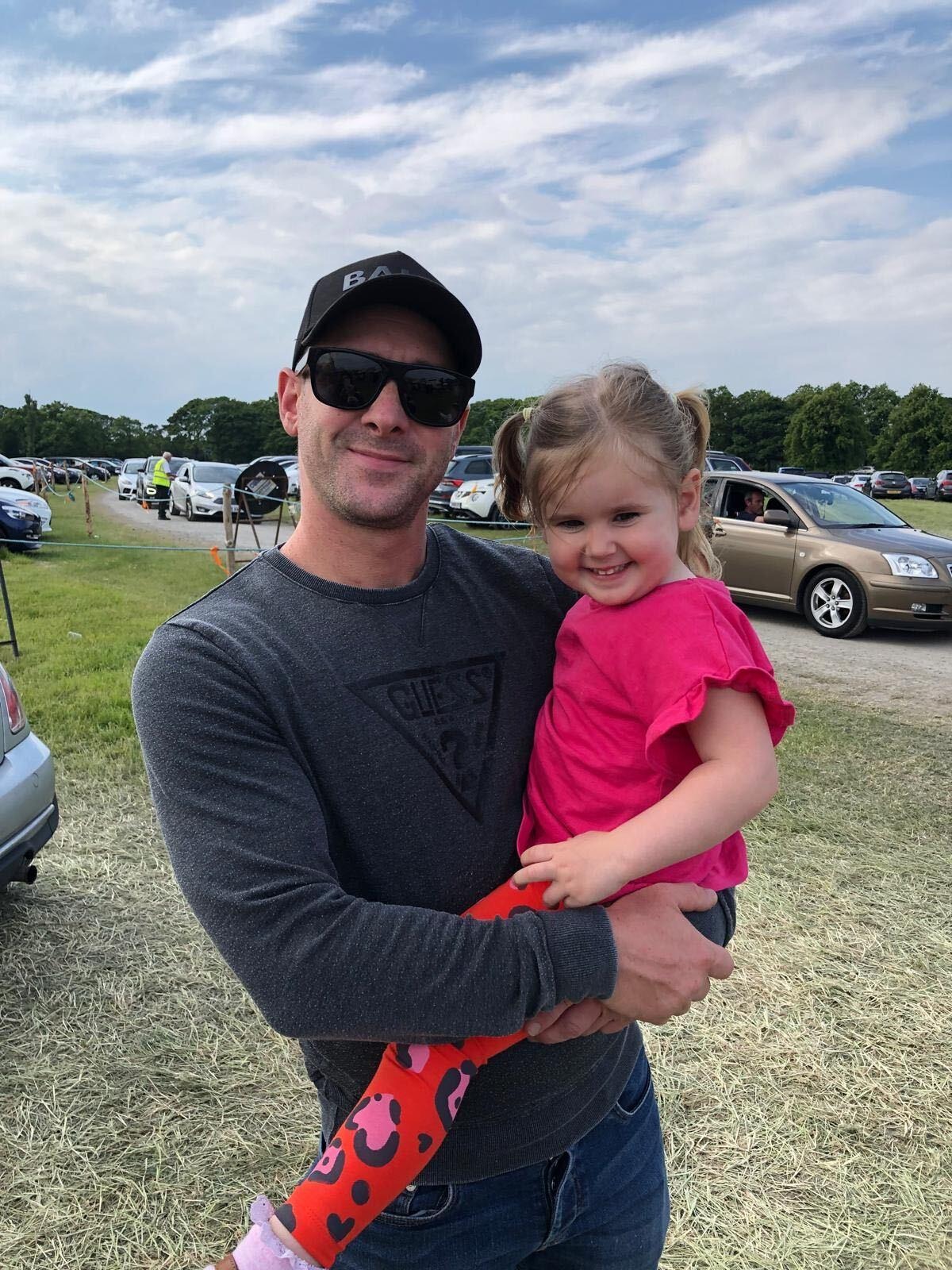
I wish doctors understood that it is life altering
Eczema isn’t the same as a life threatening disease. I get that. I’ve lived a full and mostly happy life with it, even though it effects me daily.
What I wish is that although not life threatening, it’s definitely life altering and when you’re suffering, it can be really bad. I would love more empathy and understanding from doctors when it comes to treatment.
And for the love of god, don’t tell me just not to itch.
People see past the things that you can’t
I would say that there is no silver bullets and what works for one person doesn’t work for everyone.
On a positive, emotional side, I would say that people see past the things that you can’t. The people around you don’t see the flare ups the same way you catastrophise about them in your mind.
Understand your patterns →

The hardest part wasn’t getting the diagnosis. It was what comes after that.
FEELING STABLE
Amalia was diagnosed with juvenile idiopathic arthritis when she was two and a half. She has lived with the condition for almost her entire life - but hasn’t had a flare-up for the last eight years.

It started with a swollen knee
I was diagnosed with juvenile idiopathic arthritis when I was two and a half.
I remember just falling over one day and that was it, quite simple. I ended up having a really swollen knee. It was really painful and I couldn’t walk.
My symptoms continued this way for the following month. I was admitted to the nearest children’s hospital and I stayed, from what my mum said, for around 20 days.
The hardest part wasn’t getting the diagnosis
The hardest part of my journey wasn’t to get the diagnosis. It was what comes after that.
I had to start treatment and basically the treatment was steroids. I was taking cortisone for a couple of years, on and off, and when this way of treatment didn’t work for me I had to undergo a joint aspiration in the OR because I was way too young to cooperate with the doctors.
The symptoms I had were swelling, increased temperature in the joints, reduced mobility. Sometimes it was really hard for me to walk.
I’d say morning stiffness as well, because I remember trying to move myself out of bed in the morning and it was really hard sometimes.

My childhood wasn’t a carefree memory
My childhood wasn’t a carefree memory. I had to be mature, I had to be responsible and I had to take care of myself.
But here I am now.
I haven’t had a joint aspiration since I was 14 and I haven’t had a flare-up the last eight years.
There is nothing you cannot do
Looking back, what I’ve learned is there is nothing you cannot do. You just need to adjust your life based on your needs.
And another thing was all about your attitude. If you have an attitude where you want the others to feel sorry about you, or if you want to feel sorry about yourself, this is going to happen. You’re going to project that to the others and it’s going to come back to you.
It’s your life. There will be better days one day.
Why I’m a mOI member
Instagram: @amalia_fotopoulou
Having lived with juvenile idiopathic arthritis since childhood, Amalia understands the value of keeping sight of her health over time, even when things are going well. She joined mOI to help her stay connected to her immune health and keep track of what matters as her life and health change.
For Amalia, mOI offers a way to keep sight of her health history, results and changes over time, even while she is feeling well.
Your story could help someone on their journey.
Every health journey is unique. Sharing your experience could help others feel understood, discover new perspectives, and feel more confident navigating their own journey.