

No symptoms brought me here. Curiosity did.
OPTIMISING HEALTH
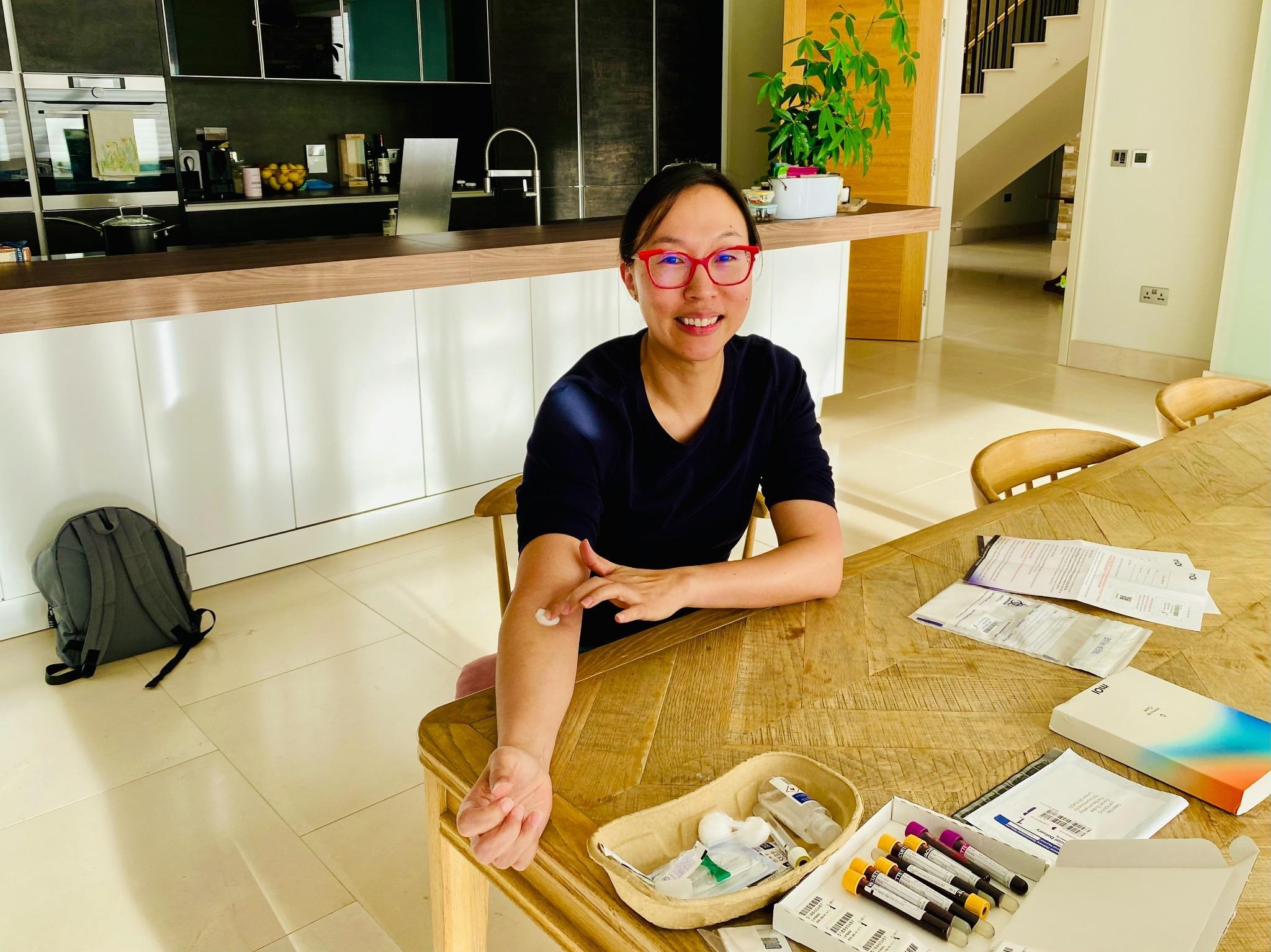
No symptoms brought me here. Curiosity did. I already tracked a lot: sleep, training, recovery. But most of what I was reading about health felt too broad. It was general advice for general people.
I wanted to go deeper and understand what was actually happening in my own body, especially my immune system, which most health tracking barely touches. I wanted information that was specific to me, not the average person. That’s what brought me to mOI.
I had information, but not context
There’s no diagnosis in my story, but there has been a search for answers. I've done one-off blood tests, tried supplements, and followed protocols from podcasts. Each told me something, but nothing connected. I’d get a result, have no idea what it meant for me specifically, and move on to the next thing.
It felt like collecting pieces of a puzzle with no picture on the box.
What I was missing wasn’t more information. It was context, and a way to see how everything fitted together over time.
The hardest part is knowing what actually works for me
I don’t live with symptoms, so I won’t pretend my experience compares to people who do. For me, the hardest part has been not knowing whether anything I do actually makes a difference. There’s so much conflicting advice out there. One podcast says one thing, the next says the opposite. You can put real effort into your health and still have no idea if it's working for you. That uncertainty is frustrating when you care about getting it right.
Wearing a CGM changed how I think about my health
Wearing a CGM changed how I think about my health. Seeing my glucose respond in real time to what I ate, how I slept and how stressed I was made it obvious how personal all of this is. Foods that are meant to be healthy spiked me, and things I’d avoided were fine. It made me realise how much generic advice misses.
After that, I wanted the same kind of personal understanding for my immune health, which is much harder to see and far more complex. It’s made me more selective. Less noise, more intention.
With mOI, that’s where it clicked
Yes. I did the whole genome sequencing test alongside my blood testing, and that’s where it clicked. My Vitamin D was low, which didn’t surprise me. But mOI also showed me that my genetics may be playing a part. It wasn’t just about sun, diet or supplements. It was the whole picture. That was my aha moment.
A blood test alone wouldn’t have shown me that, and a standalone DNA test wouldn’t have either. Only together. It’s the level of personalisation I’d been looking for since my CGM.
Wanting to understand my health isn’t the same as worrying about it
That wanting to understand my health isn’t the same as worrying about it. When you’re well, the system isn’t really set up for you. You’re not unwell enough to need an appointment, so questions about prevention or optimisation can feel like you’re wasting someone’s time. But I’d much rather understand my baseline now than start from scratch if something changes later.
I’d also love doctors to see patient data as useful context. When I bring something like my Vitamin D and genetics results, I’m not trying to diagnose myself. I’m trying to have a better conversation.
Get curious about yourself
Get curious about yourself, not just about health in general. The podcasts and protocols are a great starting point, but they’re built for everyone. The most useful information you’ll ever find is your own. Start by understanding your baseline, and look for patterns over time rather than reacting to a single number.
And be kind to yourself about the doing part. I’m living proof that knowing what to do and actually doing it are two different things.