

Understanding Prescription Exemption Certificates and How to Apply
Why this matters
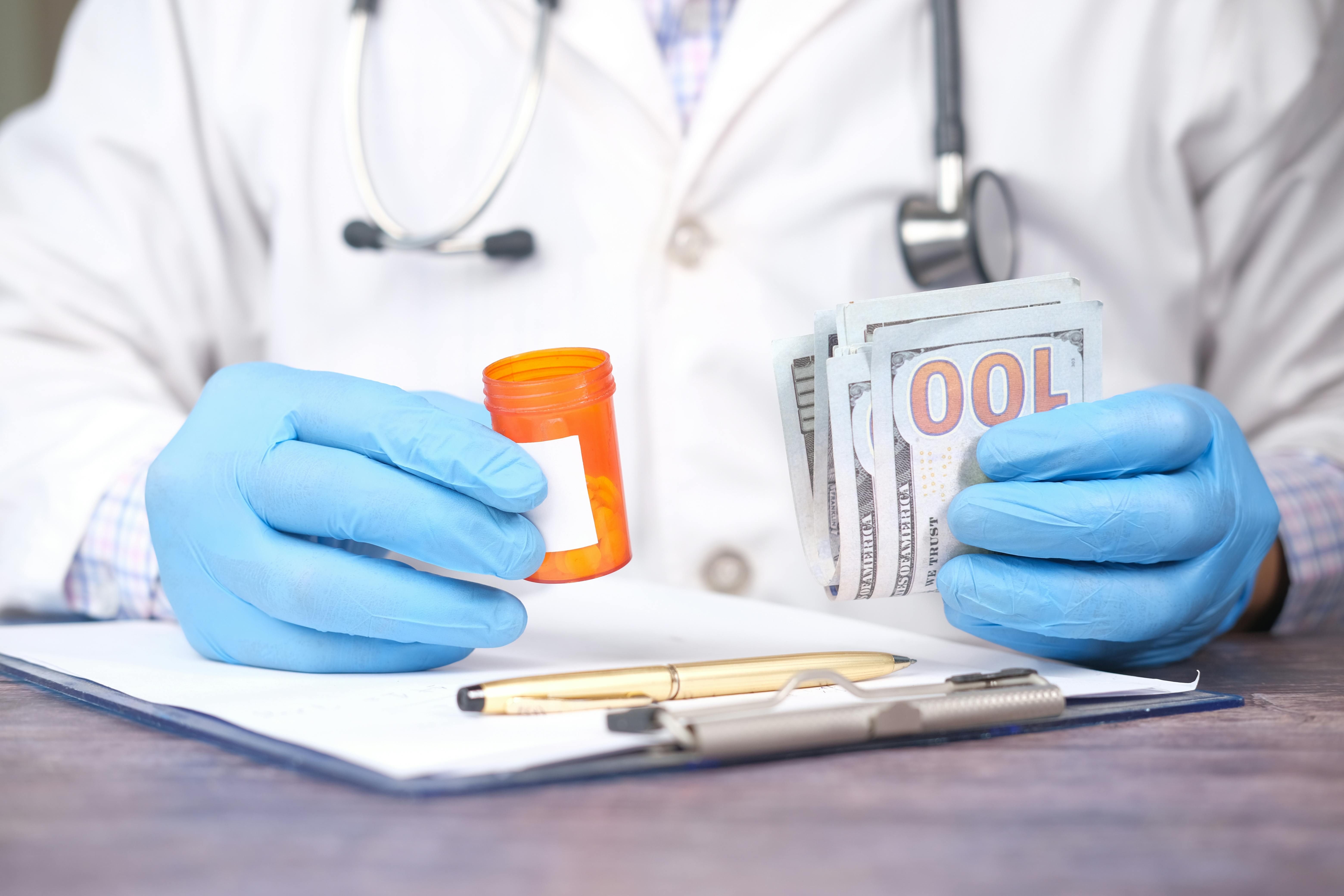
Four monthly medications cost nearly £40 a month and over £470 a year. Understanding what is available and whether it applies can make a meaningful practical difference.
Who qualifies for free prescriptions
Some groups receive free prescriptions automatically, without a certificate: people under 16, those aged 16 to 18 in full-time education, those aged 60 or over, pregnant people or those who have given birth in the last 12 months, and those receiving certain benefits, including Income Support, income-based JSA, income-related ESA, Pension Credit, or Universal Credit meeting relevant criteria.
Medical exemption certificates cover a specific list of conditions, including diabetes requiring medication, hypothyroidism, Addison's disease, epilepsy requiring continuous treatment, myasthenia gravis, and hypoparathyroidism. Many chronic immune conditions, including rheumatoid arthritis, lupus, IBD, and MS, aren’t on the exemption list. This feels unfair but reflects current regulations.
How to apply for a medical exemption certificate
If a qualifying condition applies, obtain form FP92A from a GP surgery, pharmacy, or the NHS website. The GP or specialist must sign it, which may incur a small fee. Send it to the NHS Business Services Authority. Processing takes around two to three weeks, and the certificate is valid for five years. Exemption is backdated to the application date, so costs paid while waiting could be refunded if you have obtained a valid form FP57 from the pharmacy when you paid for the medication.
If exemption doesn’t apply: Prescription Prepayment Certificates
Prescription Prepayment Certificates (PPCs) work like a season ticket. As of April 30th, 2026, 12-month PPC costs £114.50 and covers unlimited prescriptions. For someone on four monthly medications, that represents a saving of over £360 compared to paying per item. A 3-month PPC costs £32.05. PPCs aren’t means-tested and can be purchased online, by phone on 0300 330 1341, or by post. (current PPCs rates can be accessed at: https://www.nhsbsa.nhs.uk/help-nhs-prescription-costs/nhs-prescription-prepayment-certificate-ppc) Scotland, Wales, and Northern Ireland have free prescriptions for all. The certificate is issued digitally or as a physical card and may need to be shown at the pharmacy when collecting prescriptions.
What you could do
- Check whether a qualifying condition or automatic exemption applies before paying for prescriptions
- If not exempt, calculate whether a PPC would save money based on how many items are needed annually
- Apply for a medical exemption certificate as soon as eligible
- Ask the GP about a medication review if uncertain whether all current prescriptions are still needed
This article is for general information purposes only and doesn’t constitute legal, financial or benefits advice. For advice specific to your situation, please speak to a qualified professional or contact an organisation such as Citizens Advice, who may be able to assist you further.
References:
‘Help with health costs: prescription prepayment certificates and exemptions’ (2024) https://www.nhsbsa.nhs.uk/help-nhs-prescription-costs