
Coeliac Blood Test: Why You Need to Keep Eating Gluten
Why this matters
Coeliac disease is an autoimmune condition, meaning the immune system attacks the body's own tissue. In coeliac disease, gluten, a protein found in wheat, barley and rye, triggers the immune system to damage the lining of the small intestine (the part of the gut that absorbs nutrients from food). It can cause gut symptoms, tiredness, anaemia (too few healthy red blood cells) and many other problems, and some people have few symptoms at all. Many people try cutting out gluten before being tested, which can make an accurate diagnosis much harder.
What the blood test looks for
The test looks for antibodies, proteins the immune system makes, that people with coeliac disease produce when they eat gluten. The usual first test is tTG IgA (tissue transglutaminase IgA), which detects antibodies against a protein in the gut lining. IgA is one of the main types of antibody.
Total IgA is often measured at the same time, because some people naturally make very little IgA and would test negative even if they had coeliac disease. If IgA is low, tests based on another type of antibody, IgG, can be used instead, such as DGP IgG (deamidated gliadin peptide), which detects antibodies against broken-down gluten.
Why you need to keep eating gluten
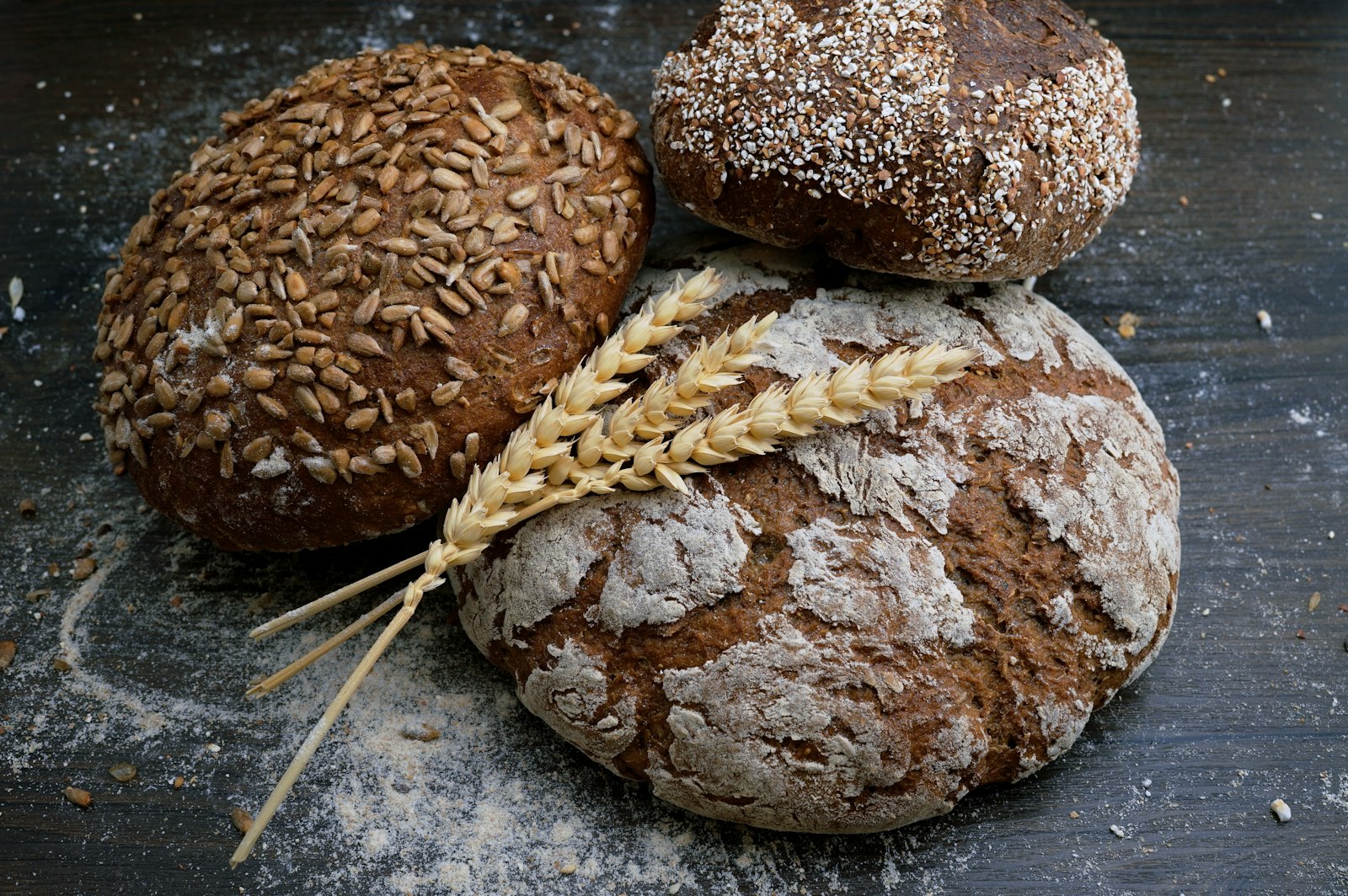
These antibodies are only produced while gluten is in the diet. If you reduce or stop gluten, levels can fall within weeks and the test may come back negative even if you have coeliac disease.
UK guidance advises eating some gluten in more than one meal every day for at least six weeks before the test. If you have already cut out gluten, speak to your GP before reintroducing it, particularly if your symptoms were severe.
What happens after a positive result
A positive blood test strongly suggests coeliac disease but does not confirm it on its own. Adults are usually referred to a gastroenterologist (a gut specialist), who may arrange an endoscopy. This is a thin, flexible tube with a camera, passed through the mouth, used to take small tissue samples (a biopsy) from the small intestine. It is important to keep eating gluten until the specialist has confirmed the diagnosis, because the biopsy also depends on gluten being in the diet.
Who might consider testing
Testing is worth discussing with your GP if you have ongoing gut symptoms, unexplained tiredness or iron deficiency, a close family member with coeliac disease, or another autoimmune condition such as type 1 diabetes or autoimmune thyroid disease.
What you could do
Planning ahead makes the test far more reliable.
- Keep gluten in your diet until testing, and until diagnosis is confirmed if your result is positive
- Make a note of symptoms and any family history to share with your GP
- Avoid starting a gluten-free diet on the strength of a home test or symptoms alone
This article is for general information only and is not a substitute for medical advice. If you are worried about your health or your results, speak to your GP or specialist team. In an emergency, call 999 or go to A&E.
References:
NICE, 'Coeliac disease: recognition, assessment and management' (NG20) https://www.nice.org.uk/guidance/ng20
NHS, 'Coeliac disease' https://www.nhs.uk/conditions/coeliac-disease/
Test(s) related to this guide