
Guides

Innate vs Adaptive Immunity Explained Simply
Why this matters
Many aspects of how immune conditions behave, from the speed of certain flares to why some treatments target specific immune pathways, become easier to understand when the difference between these two systems is clear.
The innate immune system
The innate immune system is the immediate response. Within minutes to hours of encountering a threat, it deploys a generalised defence. It doesn’t distinguish between different types of bacteria or viruses specifically. It simply recognises patterns that signal something foreign or damaged is present and responds accordingly.
The cells involved include macrophages, which engulf and destroy threats, and neutrophils, which arrive rapidly at sites of infection or injury. Natural killer cells patrol for abnormal cells. The innate system also triggers inflammation, which is how it signals to the rest of the immune system that something requires attention. This response is fast, non-specific, and the same each time the same type of threat is encountered. It doesn’t improve with repeated exposure.
The adaptive immune system
The adaptive immune system is slower but significantly more sophisticated. When the innate response alone isn’t sufficient, the adaptive system steps in, typically over several days. It analyses the specific threat and produces a targeted response.
The key players are B cells, which produce antibodies that are specific to a particular threat and tag it for destruction, and T cells, which coordinate the response and directly destroy infected or abnormal cells. Once the adaptive system has encountered a threat, it retains memory of it through specialised memory cells. The next time the same threat appears, the response is faster and more effective. This immunological memory is the basis of how vaccines work and why chickenpox typically only occurs once.
How they work together
The two systems don’t operate independently. The innate system handles the immediate response and also activates and directs the adaptive system, essentially passing it information about the nature of the threat. The adaptive system then refines the response and provides the lasting protection that the innate system cannot.
In immune conditions, it’s often this collaboration that goes wrong, with one or both systems becoming dysregulated in ways that produce persistent inflammation, inappropriate responses to the body's own tissue, or insufficient responses to genuine threats.
What you could do
Understanding these two systems helps contextualise a lot of what happens in clinical conversations, from why certain blood tests measure specific immune markers to why some treatments target one pathway rather than another.
- When a clinician mentions T cells, B cells, or antibodies, these are all part of the adaptive system. When they mention inflammation or cytokines, these are typically innate system processes
- Tracking symptoms over time helps identify patterns that may reflect which part of the immune system is most active at any given point
This article is for general information purposes only and doesn’t constitute legal, financial or benefits advice. For advice specific to your situation, please speak to a qualified professional or contact an organisation such as Citizens Advice, who may be able to assist you further.
References:
‘Immunobiology: The Immune System in Health and Disease (5th edn.)’ (2001) https://www.ncbi.nlm.nih.gov/books/NBK10757/
‘Innate immunity’ (2000) https://doi.org/10.1056/NEJM200008033430506

How Your Immune System Protects You Every Day
Why this matters
When living with an immune condition, it’s easy to think of the immune system primarily in terms of what it does wrong. Understanding what it does right and how much it handles without any conscious involvement gives a more complete picture of what’s actually being managed.
Physical barriers come first
The immune system's first line of defence isn’t inside the body at all. Skin, the mucous membranes lining the nose, mouth, and digestive tract, and the tiny hairs in the airways all act as physical barriers that stop most threats from entering in the first place. Saliva, tears, and stomach acid also contain substances that neutralise bacteria and viruses before they can cause harm. Most threats never get further than this.
When something gets through
When a threat breaches these barriers, the innate immune system responds within minutes to hours. Specialised white blood cells called macrophages and neutrophils move to the site of infection or damage and begin destroying the threat. This response also triggers local inflammation, producing the familiar signs of heat, redness, swelling, and pain. These aren’t side effects. They’re part of how the immune system contains the threat and begins repair.
At the same time, chemical signals called cytokines are released, alerting other parts of the immune system and coordinating the broader response. This is why an infection anywhere in the body can produce fatigue, loss of appetite, and a general feeling of being unwell. The immune system is redirecting resources and energy toward fighting the threat.
The adaptive response
If the innate response isn’t enough, the adaptive immune system steps in. It produces antibodies specific to the threat, which tag it for destruction and provide memory. The next time the same threat is encountered, the response is faster and more effective. This is the biological basis of immunity, whether acquired through infection or vaccination.
What the immune system monitors constantly
Beyond responding to active threats, the immune system runs continuous internal surveillance. It scans for damaged or abnormal cells and clears cellular waste, preventing accumulation that would otherwise cause harm over time. Perhaps most delicately, it maintains tolerance to the body's own tissue, continuously distinguishing between self and non-self while suppressing responses to healthy cells. This balance is one of the most complex things the immune system manages, and it’s precisely what breaks down in autoimmune conditions. When tolerance fails, the immune system begins treating the body's own tissue as a threat, driving the chronic inflammation that characterises conditions like lupus and rheumatoid arthritis.
What you could do
Understanding how much the immune system handles routinely helps contextualise what changes when it becomes dysregulated.
- Notice that many everyday symptoms, such as fatigue after an infection, swelling around a wound, or a raised temperature, are signs of the immune system working as intended rather than signs that something is wrong
- When something feels different from a usual immune response, tracking it over time helps distinguish a normal response from a pattern worth discussing with the clinical team
This article is for general information purposes only and doesn’t constitute legal, financial or benefits advice. For advice specific to your situation, please speak to a qualified professional or contact an organisation such as Citizens Advice, who may be able to assist you further.
References:
‘Correlates of protection induced by vaccination’ (2010) https://doi.org/10.1128/CVI.00131-10
‘From inflammation to sickness and depression: when the immune system subjugates the brain’ (2008) https://doi.org/10.1038/nrn2297
‘Immunobiology: The Immune System in Health and Disease (5th edn.)’ (2001) https://www.ncbi.nlm.nih.gov/books/NBK10757/
‘Molecular basis of sickness behavior’ (1998) https://doi.org/10.1111/j.1749-6632.1998.tb08321.x
‘The phagocytes: neutrophils and monocytes’ (2008) https://doi.org/10.1182/blood-2007-12-077917

What Is the Immune System and What Does It Actually Do
Why this matters
A lot of what happens in immune conditions, from why certain symptoms appear to why specific tests and treatments are used, starts to make more sense once there’s a basic understanding of what the immune system is actually doing. This is that foundation.
What the immune system is
The immune system isn’t a single organ. It’s a network of cells, tissues, and proteins distributed throughout the entire body, including the bone marrow where immune cells are produced, the lymph nodes and spleen where they gather and communicate, and the bloodstream through which they travel. White blood cells are the primary actors, but there are many different types, each with a specific role. Some identify threats, some destroy them, some coordinate the response, and some clean up afterwards.
The two arms of the immune system
The innate immune system is the first line of defence. It responds rapidly and broadly to anything it recognises as foreign or damaged. Inflammation is part of that response, which is why infections cause heat, redness, and swelling. These aren’t signs of damage, they’re signs that the immune system is working.
The adaptive immune system is slower but more precise. It learns to recognise specific threats, produces targeted antibodies, and retains memory of previous encounters. This is why vaccines work and why a second infection with the same virus tends to be milder than the first. Both arms work together, communicating constantly, and most responses to threats involve both.
What inflammation actually is
Inflammation tends to have a negative reputation, but in the short term, it’s a protective, controlled process. The immune system uses it to contain threats, recruit repair cells, and begin healing. When it becomes chronic, persistent, or misdirected, it causes tissue damage and symptoms associated with many immune conditions.
How the immune system tells self from non-self
The immune system continuously scans the body, distinguishing between the body's own cells and foreign material through a process called self-recognition. In autoimmune conditions, this recognition system breaks down, and the immune system begins responding to the body's own tissue as if it were a threat. This is the core of what makes autoimmune conditions different from other immune disorders.
What you could do
Even a basic understanding of how the immune system works tends to reduce the confusion that comes with navigating an immune condition, particularly in clinical conversations.
- When a clinician mentions a specific antibody or immune marker, having a sense of what that part of the system does makes the conversation easier to engage with
This article is for general information purposes only and doesn’t constitute legal, financial or benefits advice. For advice specific to your situation, please speak to a qualified professional or contact an organisation such as Citizens Advice, who may be able to assist you further.
References:
‘Cellular and Molecular Immunology (10th edn.)’ (2022) https://www.elsevier.com/books/cellular-and-molecular-immunology/abbas/978-0-323-75748-5
‘Origin and physiological roles of inflammation’ (2008) https://doi.org/10.1038/nature07201

What Provisional Diagnosis Means and Why It Is Used
Why this matters
Being given a provisional or uncertain diagnosis can feel unsatisfying, particularly after a long period of unexplained symptoms. Knowing why clinicians use this approach and what it enables makes it easier to engage with rather than resist.
What a provisional diagnosis actually is
A provisional diagnosis is a clinician's best current assessment of what is most likely happening, based on available evidence, when that evidence isn’t yet sufficient for certainty. It’s used when symptoms are consistent with a condition, but not all criteria are met, when tests haven’t yet confirmed the picture, or when the condition is known to evolve before declaring itself fully.
It’s a clinical tool, not a placeholder while someone waits to be taken seriously. It allows treatment to begin, monitoring to be structured, and referrals to be made to the right specialists, all before the final picture is clear.
Common examples of provisional conditions
Terms such as undifferentiated connective tissue disease, incomplete lupus, or generalised inflammatory arthritis are all forms of provisional diagnosis. They reflect genuine clinical assessment that something autoimmune or inflammatory is happening without yet meeting the full criteria for a more specific label. These are legitimate diagnoses in their own right, not the absence of one.
What it means for treatment
A provisional diagnosis doesn’t mean treatment has to wait. Many treatments can begin based on the clinical picture, even without diagnostic certainty. It also doesn’t mean the diagnosis will remain provisional indefinitely. As the condition evolves and more data accumulates, provisional diagnoses are often refined or confirmed, sometimes over months or years.
What it does not mean
A provisional diagnosis isn’t a way of saying the symptoms aren’t real. It isn’t a sign that the clinician doesn’t know what they’re doing. And it isn’t a reason to stop asking questions or seeking clarity on what’s being monitored and why.
What you could do
- Ask the clinician what the provisional diagnosis means specifically, what’s being monitored, and what would change the diagnosis or confirm it
- Track symptoms carefully during this period, as the pattern over time is often what moves a provisional diagnosis toward a definitive one
- If the provisional diagnosis has been in place for a long time without review or progression, asking for a reassessment or a second opinion is reasonable
This article is for general information purposes only and doesn’t constitute legal, financial or benefits advice. For advice specific to your situation, please speak to a qualified professional or contact an organisation such as Citizens Advice, who may be able to assist you further.
References:
‘Diagnostic uncertainty in primary care: what is known about its communication, and what are the associated ethical issues?’ (2021) https://doi.org/10.1093/fampra/cmab023
‘Predicting progression from undifferentiated connective tissue disease to definite connective tissue disease: a systematic review and meta-analysis’ (2022) https://doi.org/10.1016/j.autrev.2022.103184
‘Towards a sociology of diagnosis: reflections and opportunities’ (2011) https://doi.org/10.1016/j.socscimed.2011.07.014
‘Undifferentiated CTD: a wide spectrum of autoimmune diseases’ (2012) https://doi.org/10.1016/j.berh.2012.01.005

Why Diagnosis Can Take Years and What That Means for Treatment
Why this matters
Being told there is no diagnosis yet after months or years of symptoms can feel like being dismissed. Understanding the genuine clinical reasons for diagnostic delay separates the systemic challenge from personal failure or medical negligence, which helps in knowing how to respond constructively.
Why immune conditions take so long to diagnose
Many immune conditions begin with vague, non-specific symptoms such as fatigue, joint pain, and recurrent infections that overlap significantly with other conditions. Standard blood tests are often normal in early disease because the immune activity hasn’t yet crossed the threshold that tests are designed to detect. Some conditions require specific antibodies to be present, and these can take years to develop to detectable levels, even when the condition is already active.
The diagnostic process also depends on pattern recognition over time. A single set of symptoms and results captures one moment. The pattern across multiple episodes, over months or years, is often what finally makes a diagnosis clear. This isn’t a flaw in the system so much as the nature of conditions that evolve gradually.
Some conditions also have overlapping features with others in the same family, meaning an early diagnosis of one condition may later be refined or changed as the full picture emerges. Undifferentiated connective tissue disease, for example, is a legitimate interim diagnosis that acknowledges something is happening before the full pattern is clear.
What diagnostic delay means for treatment
A definitive diagnosis isn’t always required to begin treatment. Symptoms can be managed, and in some cases, disease-modifying treatment can be started, based on clinical presentation, even before all criteria are formally met. Asking the clinician directly whether any treatment or management is appropriate in the interim is a reasonable question during a long diagnostic process.
Diagnostic delay also doesn’t mean the condition has been progressing unchecked without anyone noticing. Monitoring during uncertain periods is itself a form of clinical management.
What you could do
- Ask at each appointment what the next diagnostic step is and what the criteria are for moving to that step, so the process feels structured rather than open-ended
- Track symptoms consistently over time, as the longitudinal pattern is often what enables diagnosis when isolated results appear normal
- If the diagnostic process has stalled, asking for a case review or a second opinion from a specialist in complex or undifferentiated conditions is appropriate and reasonable
This article is for general information purposes only and doesn’t constitute legal, financial or benefits advice. For advice specific to your situation, please speak to a qualified professional or contact an organisation such as Citizens Advice, who may be able to assist you further.
References:
'Autoantibody systems in rheumatoid arthritis: specificity, sensitivity and diagnostic value' (2002) https://doi.org/10.1186/ar395
‘EULAR recommendations for the management of rheumatoid arthritis with synthetic and biological disease-modifying antirheumatic drugs: 2019 update’ (2020) https://doi.org/10.1136/annrheumdis-2019-216655
‘Kelley and Firestein's Textbook of Rheumatology (10th edn.)’ (2017) https://www.elsevier.com/books/kelleys-textbook-of-rheumatology/firestein/978-0-323-31696-5
‘Seronegative autoimmune diseases: a challenging diagnosis’ (2022) https://doi.org/10.1016/j.autrev.2022.103143
‘The diagnosis and classification of undifferentiated connective tissue diseases’ (2012) https://doi.org/10.1016/j.jaut.2014.01.019
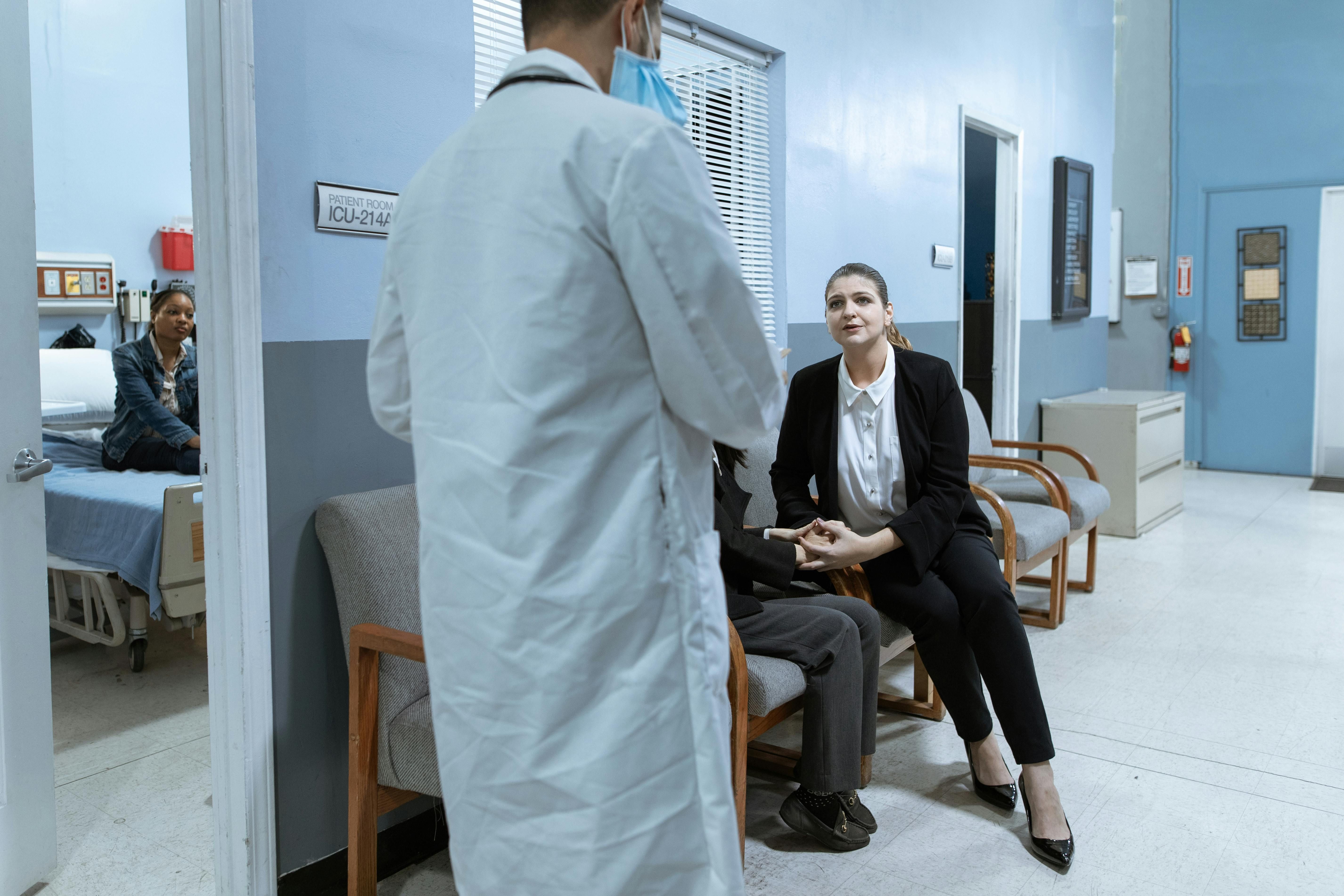
What to Do While Waiting for a Diagnosis
Why this matters
Diagnostic limbo isn’t a passive state. Without a diagnosis, it can feel like nothing can be done, but that isn’t accurate. Symptom management, documentation, and clear communication with the clinical team all make a difference both to quality of life and to how quickly the picture becomes clear.
Manage symptoms even without a diagnosis
A diagnosis isn’t required to treat what is actually affecting daily life. Pain, fatigue, and functional difficulties can all be addressed regardless of the underlying cause. Asking the GP directly: "While we are waiting for clarity, what can be done to manage these symptoms?" is a reasonable and appropriate question. Symptom management during this period isn’t giving up on a diagnosis. It’s making the wait more bearable.
Document everything clearly
The diagnostic process depends on pattern recognition over time. Tracking symptoms, noting when they are worse or better, what triggers them, and how they affect daily functioning creates a picture that’s much more useful to clinicians than descriptions from memory alone. This documentation also makes it harder for symptoms to be dismissed and helps each appointment start from a more informed baseline.
Agree on a monitoring plan
If diagnosis remains uncertain after initial investigations, it’s reasonable to ask for a clear plan: how often will reviews happen, what symptoms would prompt earlier contact, and what tests will be repeated and when. This prevents the experience of simply being told to wait without any structure around what comes next.
Know when to push
Symptoms that are worsening, significantly affecting daily functioning, or involving new features that haven’t been assessed warrant proactive contact with the clinical team rather than passive waiting. Raising concerns clearly and specifically, "This symptom has changed in the last two weeks and is now affecting my ability to work," is more likely to prompt action than general descriptions of feeling unwell.
What you could do
- Start building a symptom record now, as the pattern over time is often what enables a diagnosis when individual results appear normal
- Ask at every appointment what the next step is and when it will happen, so the process has forward momentum
- Seek support for the psychological impact of diagnostic uncertainty, as the limbo period carries its own mental health burden that’s worth addressing directly
This article is for general information purposes only and doesn’t constitute legal, financial or benefits advice. For advice specific to your situation, please speak to a qualified professional or contact an organisation such as Citizens Advice, who may be able to assist you further.
References:
‘Delayed diagnosis in outpatient care: a systematic review of documentation fragmentation as a hidden driver of diagnostic error’ (2026) https://doi.org/10.7759/cureus.102990
‘Establishing a core domain set to measure rheumatoid arthritis flares: report of the OMERACT 11 RA flare workshop’ (2014) https://doi.org/10.3899/jrheum.131252
‘Towards a sociology of diagnosis: reflections and opportunities’ (2011) https://doi.org/10.1016/j.socscimed.2011.07.014

How to Use mOI to Prepare for Your Next Appointment
Why this matters
Clinicians make decisions based on what they know. When the information available is fragmented, recalled under pressure, or incomplete, the quality of those decisions is limited. A structured, accessible health record changes the dynamic of the consultation.
What to do before the appointment
Review recent symptom trends in mOI before the appointment. Look at what has changed since the last visit, what has stayed the same, and any patterns that have emerged. Identify the two or three most important things to raise and have them clear before walking in. This prevents the common experience of arriving with a list of concerns and running out of time before reaching the most important ones.
Check test results and any insights mOI has surfaced. If a pattern has emerged between symptoms and another variable, such as a medication change or a period of increased stress, that context is worth sharing. Clinicians cannot see what hasn’t been recorded.
What to bring
The full health record doesn’t need to be presented. A brief, clear summary is more useful: overall trend since last appointment, frequency and severity of any flares, any new or changed symptoms, current medications and any concerns about them, and specific questions. Having the full record accessible on the phone means the clinician can go deeper on any specific period if needed.
During the appointment
Use the mOI’s structured health timeline to explain what has happened rather than relying on memory. Photos of visible graphs in mOI are particularly useful for conditions that fluctuate, as they provide objective evidence at moments when the symptom may not be present.
The clinician-ready summary available in mOI provides a structured output that can be shared directly, reducing the time spent explaining history and leaving more time for discussion.
What you could do
- Log symptoms consistently in the weeks before an appointment, as recent data is the most clinically useful
- Review insights and trends in the app before going in, and note anything that’s changed or surprised you
- Prepare two or three specific questions in advance so the appointment has clear direction from the start
This article is for general information purposes only and doesn’t constitute legal, financial or benefits advice. For advice specific to your situation, please speak to a qualified professional or contact an organisation such as Citizens Advice, who may be able to assist you further.

What Symptom Tracking Actually Helps Clinicians Versus Busywork
Why this matters
Clinicians see patients for 15 to 30 minutes every few months. They cannot observe what happens between appointments. Good tracking turns that gap into useful clinical information. Poor tracking creates a pile of data that no one can meaningfully interpret, including the person who collected it.
What clinicians actually use
The information that most directly informs clinical decisions includes symptom severity trends over time, flare frequency and duration, functional impact such as days unable to work or activities avoided, new or changing symptoms, and side effects from medications. These give a clinician the pattern they need to assess whether treatment is working, whether the condition is progressing, and what to adjust.
Photos of visible symptoms such as rashes or swelling are also genuinely useful, particularly for conditions that fluctuate and may not be visible at the time of the appointment.
What tends to be busywork
Recording every minor fluctuation in pain throughout the day adds little when a single daily severity rating would tell the same story. Logging every episode of fatigue is less useful than noting the overall pattern across the week. Keeping detailed food diaries when diet isn’t a suspected trigger creates effort without clinical return. The common thread is tracking everything just in case, which tends to create volume without value and increases anxiety rather than clinical insight.
Before recording something, it’s worth asking whether that information would change what the clinician does or help answer a specific clinical question. If the answer is no, it probably doesn’t need to be tracked.
How to bring tracking to an appointment
A one-page summary is more useful than fifty pages of daily logs. Clinicians need the overall trend, the number and severity of flares, any new symptoms, medication adherence, and specific questions. If the full record is needed, having it accessible is enough. The summary is what actually gets read.
When to track more and when less
Track more intensively when starting a new medication, during a flare, preparing for an appointment, or when the disease is unstable. Track less when the condition is stable, when tracking is creating significant anxiety, or when it’s reinforcing an unhealthy focus on illness.
What you could do
- Focus tracking on what changes: flare frequency, severity trends, functional impact, and new symptoms are the most clinically useful categories
- Use structured tools rather than free-form notes, as prompts limit over-recording and keep data consistent enough to show patterns
- Bring a brief summary to appointments rather than the full record, and be ready to go deeper on any specific period if asked
- If in doubt, ask your clinician or members of the multi-disciplinary team what they would find useful for you to track
This article is for general information purposes only and doesn’t constitute legal, financial or benefits advice. For advice specific to your situation, please speak to a qualified professional or contact an organisation such as Citizens Advice, who may be able to assist you further.
References:
‘A systematic review of the effectiveness of self-symptoms monitoring with Patient Reported Outcome Measures in rheumatic disease patients’ (2025) https://doi.org/10.1371/journal.pone.0338935
‘Interpreting the clinical importance of treatment outcomes in chronic pain clinical trials: IMMPACT recommendations’ (2008) https://doi.org/10.1016/j.jpain.2007.09.005

Managing Hygiene and Self Care During Severe Symptoms
Why this matters
Hygiene and self-care are rarely discussed in the context of chronic illness, which can leave people feeling alone with something that affects daily life significantly during flares. There’s no failure in finding these tasks hard when severely unwell.
Why self-care becomes difficult during severe symptoms
Fatigue, pain, joint stiffness, and reduced mobility all make tasks that are ordinarily automatic considerably harder. The energy cost of showering, dressing, or preparing food can be disproportionate to what’s available. For some people, the cognitive load of managing multiple tasks at once, or simply standing long enough to complete them, is the barrier. Skin sensitivity, photosensitivity, or active rashes can also make standard products or routines uncomfortable or harmful.
Adapting rather than abandoning
The goal during difficult periods is a reduced but sustainable version of self-care, not the full routine or nothing. Sitting rather than standing for tasks where possible, using a shower chair, breaking washing into smaller steps with rest between, or switching to dry shampoo on days when a full shower isn’t manageable all reduce the energy cost without abandoning hygiene entirely.
Warm rather than hot water tends to be better tolerated during skin flares. Fragrance-free, gentle products reduce irritation. Laying out everything needed before starting a task means fewer trips and less standing time.
Food and nutrition
Preparing food is often one of the first things to become difficult during a severe flare. Simple, no-cook or minimal-cook options, batch cooking during better periods and freezing portions, and accepting help with meals where available all reduce the burden without compromising nutrition entirely. Staying hydrated is easier to maintain than eating when severely unwell and is worth prioritising.
Asking for and accepting help
During severe flares, asking someone to help with personal care or household tasks isn’t a failure of independence. It’s an appropriate response to a temporary reduction in capacity. Identifying in advance who could help, and what specifically would be most useful, makes it easier to ask when needed rather than having to work it out in the middle of a difficult period.
What you could do
- Keep a small kit of adapted self-care essentials, such as dry shampoo, gentle wipes, and easy-to-open products, accessible for difficult days
- Identify the minimum self-care that feels necessary for wellbeing and focus energy there when capacity is limited
- Track flare patterns over time so periods of reduced capacity can be anticipated and prepared for
- Discuss your goals with occupational therapists and physiotherapists who can help you manage your household tasks and activities of daily living
This article is for general information purposes only and doesn’t constitute legal, financial or benefits advice. For advice specific to your situation, please speak to a qualified professional or contact an organisation such as Citizens Advice, who may be able to assist you further.
References:
‘Epidermal barrier dysfunction in atopic dermatitis’ (2009) https://doi.org/10.1038/jid.2009.133
'Occupational therapy addressing the ability to perform activities of daily living among persons living with chronic conditions: a randomised controlled pilot study of ABLE 2.0' (2021) https://doi.org/10.1186/s40814-021-00861-9
‘Patients' perceptions of fatigue in rheumatoid arthritis: overwhelming, uncontrollable, ignored’ (2005) https://doi.org/10.1002/art.21450