

.png)

- Anti-thyroglobulin antibodies
- Thyroid peroxidase antibodies (anti-TPO)
- TSH-receptor antibodies
- Adrenal cortex antibodies
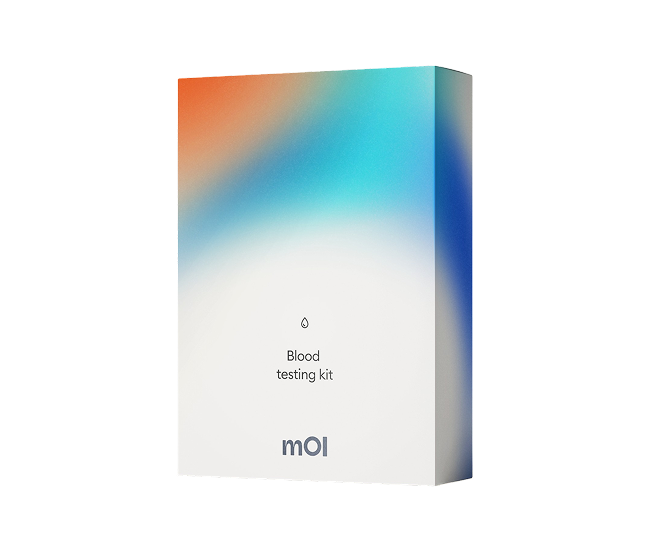
- Sample: Venous blood
- Results: within 10 working days of lab receipt
- Blood collection: Requires a venous blood draw at your home or work.
- Phlebotomy: needs to be purchased separately
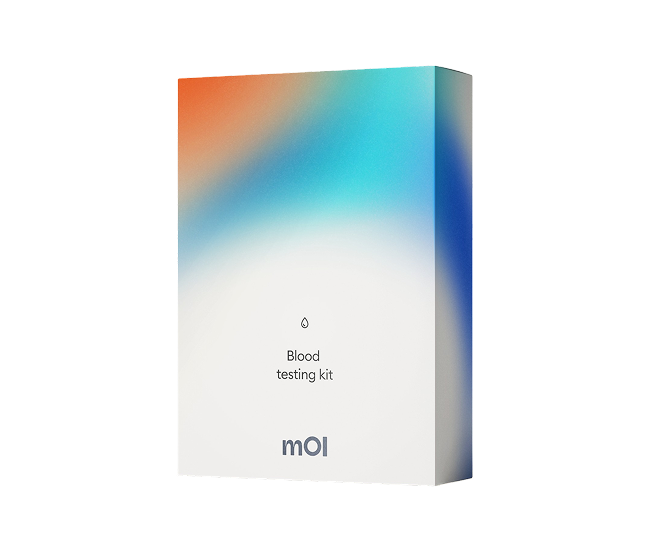
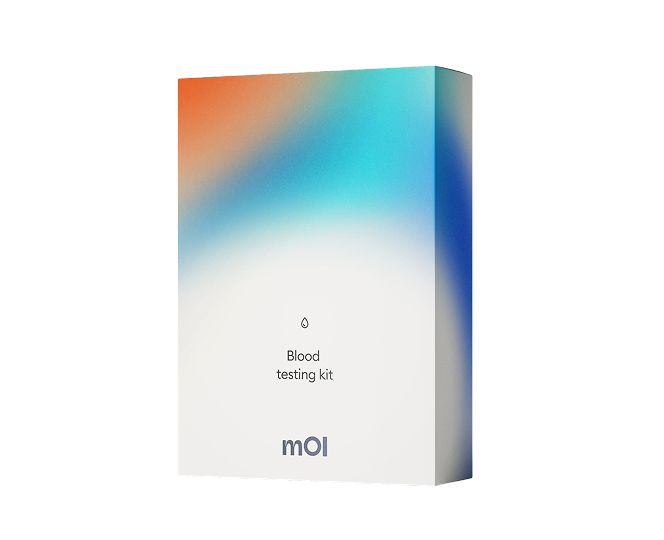
- Sample: Venous blood
- Results: within 10 working days of lab receipt
- Blood collection: Requires a venous blood draw at your home or work.
- Phlebotomy: needs to be purchased separately
What we measure & why it matters
Anti-thyroglobulin and anti-TPO antibodies are associated with autoimmune thyroid conditions. TSH-receptor antibodies are relevant to investigating Graves’ disease and other autoimmune thyroid presentations. Adrenal cortex antibodies can support investigation of autoimmune adrenal disease.
Thyroid function tests such as TSH, FT4 and FT3 measure aspects of thyroid function. This panel measures antibody patterns that may help a clinician investigate an autoimmune cause. Antibodies and function tests answer different questions.
If thyroid results or symptoms warrant further investigation, discuss this panel with your clinician. Fatigue and weight changes have many possible causes, so symptoms alone do not establish suitability.
Antibody results do not show hormone function on their own and cannot independently confirm or rule out every thyroid or adrenal condition. Clinical assessment and additional testing may be needed.
A structured path to Immune Intelligence
Choose your test
Select the test that’s right for you
Start with what you want to explore or understand
Receive your kit
Your test kit is delivered to your door
Everything you need, ready for your sample
Provide your sample
Follow the instructions in your kit or book an at home visit for blood collection.
Simple, guided steps depending on your test
Send your sample to the lab
Your sample is securely prepared and
sent for analysis
Handled with care to maintain quality
View your results and insights
See your results in the app, connected to your health over time
Helping you make sense of what’s changing
Choose your test
Select the test that’s right for you
Start with what you want to explore or understand
Receive your kit
Your test kit is delivered to your door
Everything you need, ready for your sample
Provide your sample
Follow the instructions in your kit or book an at home visit for blood collection.
Simple, guided steps depending on your test
Send your sample to the lab
Your sample is securely prepared and
sent for analysis
Handled with care to maintain quality
View your results and insights
See your results in the app, connected to your health over time
Helping you make sense of what’s changing
Frequently asked questions
Fatigue. Weight that shifts without explanation. A body that feels like it’s running too fast or barely keeping pace. These are some of the most common reasons people end up in a GP’s office, and the immune system is more often involved than standard testing reveals.
The thyroid is one of the most frequent targets of autoimmune activity. So are the adrenal glands. Both sit at the centre of how your body manages energy, stress, and metabolism, which is why when something goes wrong, it tends to feel like everything is off at once.
mOI Thyroid & Endocrine Autoimmunity checks four markers from a single blood draw. Anti-thyroglobulin and anti-TPO tell you whether your immune system may be reacting against your thyroid, the two autoantibodies most commonly associated with Hashimoto’s thyroiditis and, in the case of anti-TPO, Graves’ disease too. Where those markers tell you whether the immune system is attacking the thyroid, TSH-receptor antibodies tell you whether it may be sending the wrong signals to it altogether, stimulating it to overproduce hormones or, in some cases, blocking the signal and slowing it down. Adrenal cortex antibodies look at a different system entirely, checking whether your immune system may be affecting the glands that help your body manage stress, energy, and blood pressure, the pattern associated with Addison’s disease, which can develop slowly and silently over years.
mOI’s Immune Core can tell you whether your thyroid function markers are abnormal. This panel helps explain why. If your TSH, FT4, or FT3 have come back outside the normal range, these four markers are the next logical step.
Once your kit arrives, you’ll book a visit with a trained phlebotomist at your home or a location convenient to you. Appointments are available between 8am and 2pm, Monday to Wednesday. Your sample is collected using professional methods, centrifuged on-site to preserve quality, and prepared for secure delivery to the lab. Everything is handled for you from start to finish.
Thyroid autoantibodies
Anti-thyroglobulin Thyroglobulin is a protein your thyroid produces as part of making hormones. In some people, the immune system mistakenly identifies it as a threat and produces antibodies against it. Elevated anti-thyroglobulin levels suggest the immune system may be reacting against the thyroid. Most commonly associated with Hashimoto’s thyroiditis, though they can appear in other thyroid conditions too.
Thyroid Peroxidase Antibodies (Anti-TPO) Thyroid peroxidase is an enzyme your thyroid needs to produce hormones. When the immune system attacks it, hormone production can be disrupted over time. Anti-TPO is the autoantibody found in autoimmune thyroid disease, present in most people with Hashimoto’s and many with Graves’. Elevated levels suggest the immune system may be interfering with how your thyroid functions.
TSH-Receptor Antibodies (TRAb) TSH receptors sit on the surface of thyroid cells and receive signals that tell the thyroid how much hormone to produce. In Graves’ disease, the immune system produces antibodies that bind to these receptors and tell the thyroid to work harder than it should. In some cases, a different type of TSH-receptor antibody can have the opposite effect, blocking the signal and contributing to an underactive thyroid instead. Measuring these antibodies helps identify whether immune activity may be driving thyroid dysfunction and can help distinguish Graves’ from other causes of an overactive thyroid that look identical on symptoms alone.
Adrenal autoantibodies
Adrenal Cortex Antibodies (ACA) The adrenal glands sit above your kidneys and produce hormones that help your body manage stress, energy, and blood pressure. In Addison’s disease, the immune system can attack the outer layer of the adrenal glands, gradually reducing their ability to produce these hormones, often over years and without obvious symptoms until function is significantly compromised. An adrenal cortex antibodies test detects whether this kind of immune activity may be present. A positive result warrants follow-up with your clinical team. Particularly relevant for anyone with unexplained fatigue, a personal or family history of adrenal insufficiency, or other autoimmune conditions.
- Drink at least 500ml of water in the 2 hours beforehand. Good hydration makes the draw easier and improves sample quality.
- Fast for at least 8 hours before your appointment. Overnight fasting works well. Some markers, particularly lipids and glucose, are significantly more accurate when measured in a fasted state.
- Continue taking any prescribed medication as normal unless your clinician has advised otherwise. If you take blood thinners or have a bleeding or clotting condition, please let your phlebotomist know before the draw.
- Your phlebotomist will apply a cotton pad to the puncture site. Keeping your arm straight for a few minutes helps.
- A plaster may be applied to cover the area. If you have a plaster allergy, let your phlebotomist know beforehand.
- Try to keep the dressing on for at least an hour to reduce the chance of bruising and keep the area clean.
- If you’ve felt faint after a blood draw before, mention it to your phlebotomist so they can keep an eye on you.
- Some light bruising is normal and should fade within a few days.
- If you feel unwell after your test, contact your GP or local NHS service for advice.
- For more on what to expect, you can visit the NHS website: https://www.nhs.uk/tests-and-treatments/blood-tests/
This panel measures four autoantibodies associated with immune activity in the thyroid and adrenal system. Autoantibody levels can vary depending on a range of factors, including medication, other health conditions, and the stage of any underlying condition. A normal result doesn’t rule out a condition, and an elevated result doesn’t confirm one.
This test doesn’t provide a diagnosis. Your results are intended to support your understanding of your own biology and may help inform conversations with your clinical team. They shouldn’t be used as the sole basis for any medical decision.
mOI is a registered as a Class I Software as a Medical Device. This test isn’t a substitute for clinical assessment or advice from a qualified healthcare professional.
Your thyroid and adrenal glands are both part of your endocrine system, the network of glands that produce hormones directly into your bloodstream. Both can be affected by the same kind of immune activity, which is why this panel looks at them together. Anti-thyroglobulin and anti-TPO check whether your immune system may be reacting against your thyroid. TSH-receptor antibodies check whether your immune system may be interfering with how your thyroid is told to work. Adrenal cortex antibodies check whether your immune system may be affecting the glands that help your body manage energy, stress, and blood pressure. Together, they give you a clearer picture of whether your immune system may be driving your symptoms.
Thyroid & Endocrine Autoimmunity is for anyone experiencing symptoms that could point toward thyroid or adrenal involvement, including persistent fatigue, unexplained weight changes, feeling too hot or too cold, or difficulty managing stress and energy levels. It’s also relevant if you have a personal or family history of thyroid or autoimmune conditions, or if your thyroid function markers have previously come back outside the normal range. If you're unsure whether this test is right for you, speak to your GP or clinical team before purchasing.
We aim to get your results to you as quickly as possible once your sample reaches the lab, though turnaround times vary by test and occasionally take a little longer for reasons outside our control. Turnaround times are estimates, not guarantees, and are subject to our Terms and Conditions of Sale. Most results appear directly in the mOI app, linked to your health record. They sit alongside your tracking data and insights rather than arriving as a standalone report. For some tests, including certain gut health results, you may receive a PDF report instead of in-app results. Where this applies, it will be made clear at the time. If your membership has lapsed or been cancelled when results become available, we’ll deliver them to the email address held in your account instead.
Your results are designed to support your understanding of your health, not to replace clinical advice. These markers are most useful when read alongside your broader health data, including your Immune Core results and, where available, your genomic data. If anything in your results concerns you, or if you’d like to discuss what they mean in the context of your wider health, share them with your GP or clinical team.
Yes. Testing is only available with a paid mOI membership, and tests are priced separately. Membership gives you access to the full platform, including your results, longitudinal tracking, and the insights that connect your data over time. If you're not a member yet, you can create an account to get started.