

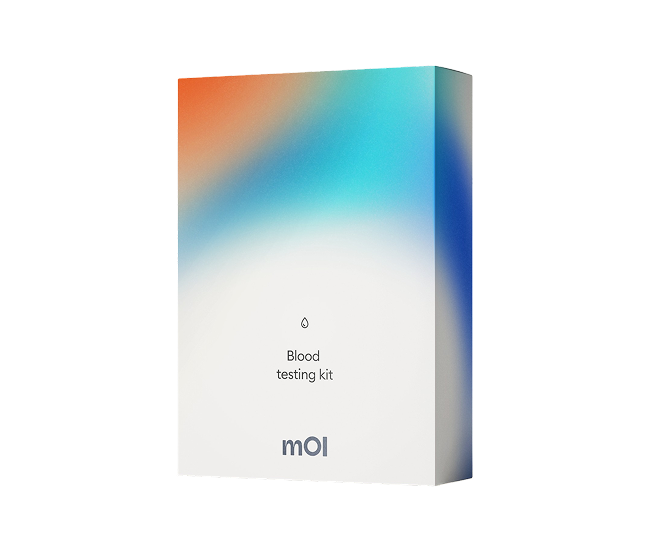
.png)

- ANA and extractable nuclear antibodies (ENA)
- Rheumatoid factor and anti-CCP
- Anti-dsDNA antibodies
- Complement C3 and C4
- Sample: Venous blood
- Results: within 10 working days of lab receipt
- Blood collection: Requires a venous blood draw at your home or work.
- Phlebotomy: needs to be purchased separately
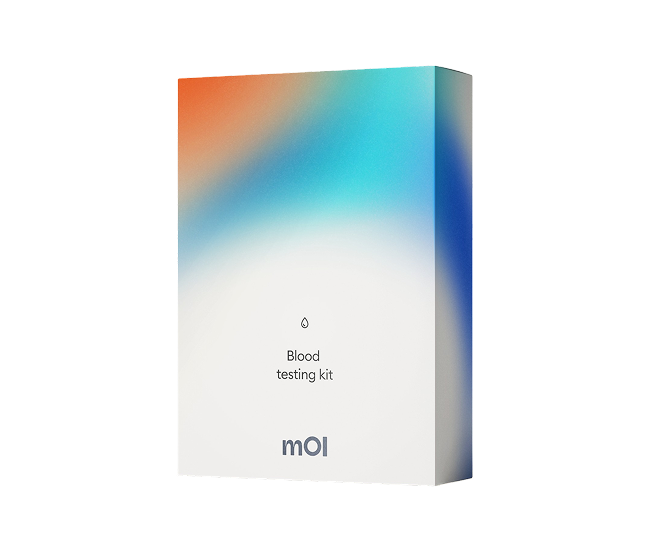
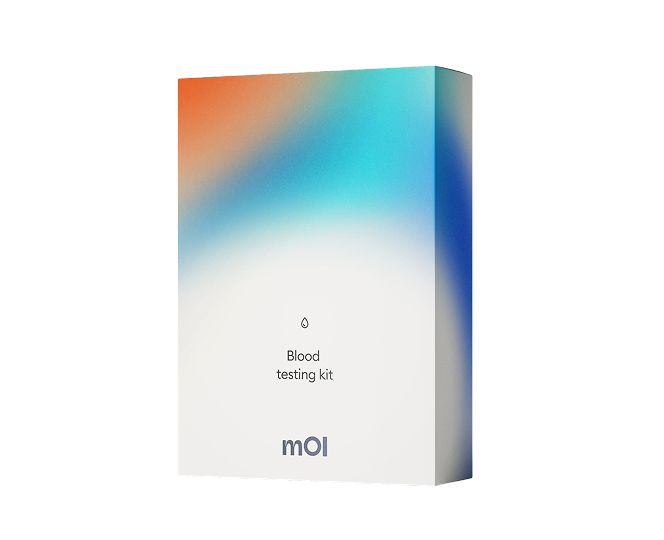
- Sample: Venous blood
- Results: within 10 working days of lab receipt
- Blood collection: Requires a venous blood draw at your home or work.
- Phlebotomy: needs to be purchased separately
What we measure & why it matters
Anti-nuclear antibodies (ANA), an extractable nuclear antibody panel (ENA 7), rheumatoid factor, anti-CCP, dsDNA antibodies IgG, and complement C3 and C4. Add the confirmed seven ENA components beneath this list.
ANA and ENA may contribute to investigations of conditions including lupus, Sjögren’s syndrome, systemic sclerosis and mixed connective tissue disease. Rheumatoid factor and anti-CCP support assessment for rheumatoid arthritis. Anti-dsDNA and complement results can contribute to lupus assessment and monitoring.
If you have persistent joint symptoms or other features that suggest a connective tissue condition, discuss the panel with a clinician. The appropriate tests depend on your symptoms, examination and medical history.
Some people with autoimmune conditions have negative antibody results; some positive results occur without a relevant autoimmune diagnosis. No blood test alone definitively proves or rules out rheumatoid arthritis. Complement levels also need clinical interpretation.
A structured path to Immune Intelligence
Choose your test
Select the test that’s right for you
Start with what you want to explore or understand
Receive your kit
Your test kit is delivered to your door
Everything you need, ready for your sample
Provide your sample
Follow the instructions in your kit or book an at home visit for blood collection.
Simple, guided steps depending on your test
Send your sample to the lab
Your sample is securely prepared and
sent for analysis
Handled with care to maintain quality
View your results and insights
See your results in the app, connected to your health over time
Helping you make sense of what’s changing
Choose your test
Select the test that’s right for you
Start with what you want to explore or understand
Receive your kit
Your test kit is delivered to your door
Everything you need, ready for your sample
Provide your sample
Follow the instructions in your kit or book an at home visit for blood collection.
Simple, guided steps depending on your test
Send your sample to the lab
Your sample is securely prepared and
sent for analysis
Handled with care to maintain quality
View your results and insights
See your results in the app, connected to your health over time
Helping you make sense of what’s changing
Frequently asked questions
Joint pain. Fatigue that won’t lift. Skin that reacts in ways you can’t explain. Dry eyes, dry mouth, swelling that moves. These symptoms overlap with at least half a dozen different conditions, and the immune system sits at the centre of most of them.
Joints and Connective Tissue Autoimmunity tests 7 markers from a single blood draw.
Anti-nuclear antibodies (ANA) detect whether your immune system may be targeting structures inside the cell nucleus, a pattern associated with a broad range of autoimmune conditions.
What are the 7 ENA markers and what do they mean?
ENA stands for extractable nuclear antibodies, a group of proteins that can become targets of the immune system. We test for 7 specific markers; each associated with different conditions:
- nRNP (nuclear ribonucleoprotein): linked to mixed connective tissue disease and sometimes seen in lupus and other overlapping autoimmune conditions.
- Sm (Smith antigen): one of the more specific markers for lupus. A positive result is relatively unusual, but when present it is a strong signal.
- Ro (SSA): commonly associated with Sjögren’s syndrome and also seen in lupus. Can be relevant in pregnancy, as it is one of the markers monitored in mothers with known autoimmune conditions.
- La (SSB): usually found alongside Ro and similarly linked to Sjögren’s syndrome. A more specific marker than Ro when positive on its own.
- Jo-1: the marker most associated with myositis, an autoimmune condition affecting the muscles. Also linked to a pattern involving lung inflammation and arthritis.
- Scl-70 (topoisomerase I): strongly associated with systemic sclerosis, commonly known as scleroderma, particularly the diffuse form affecting internal organs.
- CENP-B (centromere protein B): linked to the limited form of scleroderma, sometimes called CREST syndrome, which tends to progress more slowly than the diffuse form.
Rheumatoid factor and anti-CCP antibodies together build a far more specific picture of whether rheumatoid arthritis may be present than either does alone. Anti-CCP in particular is one of the most specific markers available in rheumatology and can appear years before symptoms become severe.
Anti-dsDNA antibodies are among the most specific markers for lupus available from a blood test and are particularly useful because levels can reflect how active the condition is over time.
Complement C3 and C4 complete the lupus picture: when the immune system is highly active, it consumes these proteins, and falling levels can be a signal that disease activity is increasing.
This panel covers the autoimmune territory most likely to produce years of unanswered questions: rheumatoid arthritis, lupus, Sjögren's syndrome, scleroderma, and mixed connective tissue disease. If your mOI Immune Core results have flagged inflammation, or your symptoms have been circling without a clear answer, this is where the picture starts to take shape.
Once your kit arrives, you’ll book a visit with a trained phlebotomist at your home or a location convenient to you. Appointments are available between 8am and 2pm, Monday to Wednesday. Your sample is collected using professional methods, centrifuged on-site to preserve quality, and prepared for secure delivery to the lab. Everything is handled for you from start to finish.
Immune markers
Anti-Nuclear Antibodies (ANA) The first question this panel asks. ANA detects whether your immune system is producing antibodies that target the nucleus of your own cells. A positive result isn’t a diagnosis. It’s a signal that something may be happening, and that the next question is worth asking.
Extractable Nuclear Antibodies (ENA 7) The follow-up to ANA. Where ANA tells you your immune system may be reacting against cell nuclei, ENA subtyping across 7 components, nRNP, Sm, Ro, La, Jo1, Scl70, and CENP-B, tells you which specific proteins it may be targeting. That distinction matters. Different specificities point toward different conditions. Without it, a positive ANA is hard to interpret. With it, the picture becomes considerably clearer.
Rheumatoid Factor (RF) A protein produced by the immune system that’s been associated with joint inflammation for decades. RF alone is a starting point. Its real value is in what it adds when read alongside anti-CCP. Together, they’re more informative than either is alone.
Anti-CCP Antibodies A highly specific marker for rheumatoid arthritis from a blood draw. Anti-CCP can be present years before symptoms appear, which makes it one of the most clinically useful markers in the panel. A positive result alongside rheumatoid factor significantly strengthens the picture.
dsDNA Antibodies IgG A highly specific marker for lupus. Unlike many autoantibodies, anti-dsDNA doesn’t just indicate whether lupus may be present. Its level can reflect how active the condition is at the time of testing, making it one of the few markers in this panel that tells you something about disease activity, not just disease presence.
Complement C3/C4 Complement proteins are part of your immune system’s defence toolkit. When your immune system is under sustained attack, it uses them up. C3 and C4 measure how much is left. Low levels are one of the clearest signs that your immune system is working harder than it should be, and in the context of lupus, they’re an important part of the picture.
- Drink at least 500ml of water in the 2 hours beforehand. Good hydration makes the draw easier and improves sample quality.
- Fast for at least 8 hours before your appointment. Overnight fasting works well. Some markers, particularly lipids and glucose, are significantly more accurate when measured in a fasted state.
- Continue taking any prescribed medication as normal unless your clinician has advised otherwise. If you take blood thinners or have a bleeding or clotting condition, please let your phlebotomist know before the draw.
- Your phlebotomist will apply a cotton pad to the puncture site. Keeping your arm straight for a few minutes helps.
- A plaster may be applied to cover the area. If you have a plaster allergy, let your phlebotomist know beforehand.
- Try to keep the dressing on for at least an hour to reduce the chance of bruising and keep the area clean.
- If you’ve felt faint after a blood draw before, mention it to your phlebotomist so they can keep an eye on you.
- Some light bruising is normal and should fade within a few days.
- If you feel unwell after your test, contact your GP or local NHS service for advice.
- For more on what to expect, you can visit the NHS website: https://www.nhs.uk/tests-and-treatments/blood-tests/
This panel measures 6 autoantibody and immune markers associated with rheumatoid arthritis, lupus, Sjögren’s syndrome, scleroderma, and related connective tissue conditions. Autoantibody levels can vary depending on a range of factors, including medication, other health conditions, and the stage of any underlying condition. A normal result doesn’t rule out a condition, and an elevated result doesn’t confirm one.
This test doesn’t provide a diagnosis. Your results are intended to support your understanding of your own biology and may help inform conversations with your clinical team. They shouldn’t be used as the sole basis for any medical decision.
mOI is a registered as a Class I Software as a Medical Device. This test isn’t a substitute for clinical assessment or advice from a qualified healthcare professional.
mOI Joints & Connective Tissue Autoimmunity gives you a six-marker picture of whether your immune system may be driving inflammation in your joints or connective tissue. Anti-nuclear antibodies and ENA subtyping across 7 components tell you whether your immune system may be targeting your own cells, and which proteins it may be reacting against. Rheumatoid factor and anti-CCP together build a more specific picture of rheumatoid arthritis than either marker can alone. Anti-dsDNA is a highly specific marker for lupus and reflects disease activity over time. Complement C3 and C4 show whether your immune system is working harder than it should be. Together, they give you a clearer starting point for understanding what may be driving your symptoms.
One important limitation to understand: a negative result on any of these markers doesn’t rule out the conditions they’re associated with. Rheumatoid arthritis is seronegative in a significant minority of cases, meaning rheumatoid factor and anti-CCP can both be negative even when the condition is present. If your symptoms persist despite negative results, further investigation with your clinical team remains the right next step. These markers are most valuable as evidence to bring into that conversation, not as a final answer in either direction.
Joints & Connective Tissue Autoimmunity is for anyone who’s been living with persistent joint pain, fatigue, skin changes, dry eyes or mouth, or symptoms that have been difficult to pin down. It’s particularly relevant if you’ve been told your inflammation markers are raised but haven’t had a clear explanation, if your symptoms could point toward rheumatoid arthritis, lupus, or another connective tissue condition, or if you have a personal or family history of autoimmune disease. If you’re unsure whether this test is right for you, speak to your GP or clinical team before purchasing.
We aim to get your results to you as quickly as possible once your sample reaches the lab, though turnaround times vary by test and occasionally take a little longer for reasons outside our control. Turnaround times are estimates, not guarantees, and are subject to our Terms and Conditions of Sale. Most results appear directly in the mOI app, linked to your health record. They sit alongside your tracking data and insights rather than arriving as a standalone report. For some tests, including certain gut health results, you may receive a PDF report instead of in-app results. Where this applies, it will be made clear at the time. If your membership has lapsed or been cancelled when results become available, we’ll deliver them to the email address held in your account instead.
Your results are designed to support your understanding of your health, not to replace clinical advice. These markers are most useful when read alongside your broader health data, including your mOI Immune Core results and, where available, your genomic data. If anything in your results concerns you, or if you’d like to discuss what they mean in the context of your wider health, share them with your GP or clinical team.
Yes. Testing is only available with a paid mOI membership, and tests are priced separately. Membership gives you access to the full platform, including your results, longitudinal tracking, and the insights that connect your data over time. If you’re not a member yet, you can create an account to get started.